
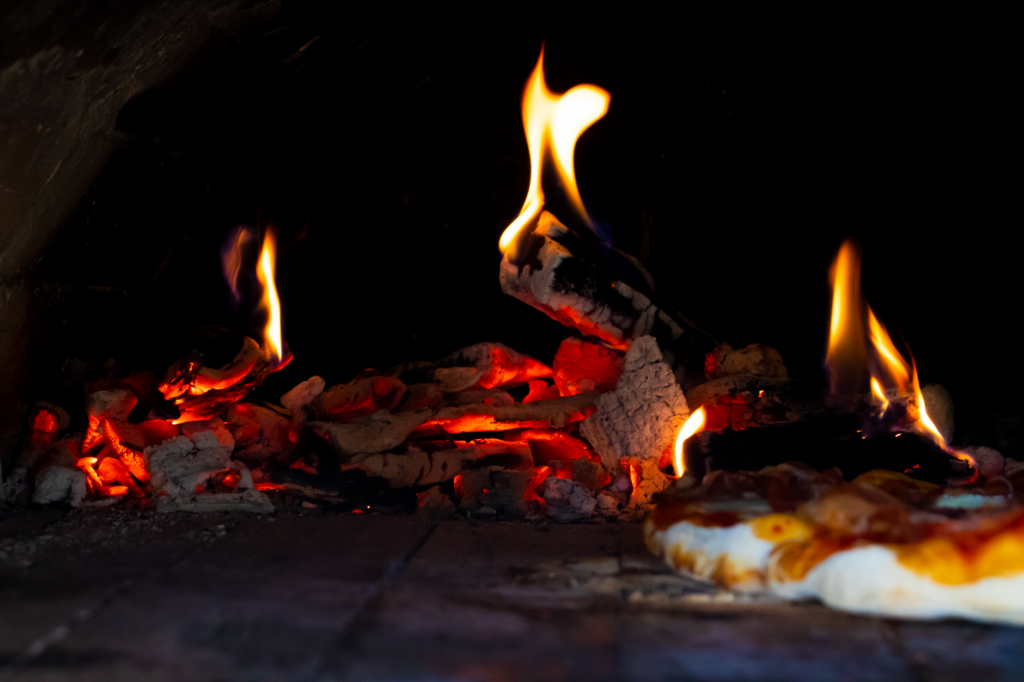
There is a particular quality to soaking outdoors in hot water on a cool evening, with a fire crackling nearby and the sky visible above the rim of the tub. It is the kind of restorative experience that people associate with boutique retreats and Scandinavian escapes, but which is increasingly accessible to UK homeowners who want to create a meaningful outdoor wellness space at home.
Wood-fired hot tubs have grown steadily in popularity over the past decade for reasons that go beyond aesthetics. They require no permanent electrical connection, cost less to purchase and run than electric alternatives, and deliver a sensory experience that purpose-built electric models rarely replicate. For homeowners who invest thoughtfully in the right product, a wood-fired tub becomes one of the most consistently used features in the garden.
This guide covers the essentials: how wood-fired heating works, what makes a quality product, how to set one up, and how to maintain it correctly.
How the Heating System Works
A wood-fired hot tub heats water through a stove that burns dry hardwood. The stove can be positioned internally, inside the tub itself, or externally, connected via inlet and outlet pipes that circulate heated water through the vessel by convection. Both configurations work well, but they have practical differences.
An internal stove heats water faster because there is no heat loss through external pipework. Water near the stove heats first and rises, drawing cooler water from the bottom of the tub toward the stove, which creates a natural circulation that gradually brings the entire volume to temperature. The trade-off is that the stove and its surround occupy space inside the tub, reducing the usable soaking area.
An external stove positions the firebox beside or below the tub and uses pipe connections to move heated water in and cooler water out. This leaves the full interior free for soaking, which matters in smaller tubs or where group use is the priority. External stoves take marginally longer to reach soaking temperature but are preferred by many users for the cleaner interior they produce.
The fuel is hardwood, ideally dry and well-seasoned ash, beech, birch, or oak. Wet or recently cut wood burns inefficiently, produces more smoke, and deposits residue in the firebox that shortens its working life. Properly dried wood makes the process faster, cleaner, and more effective. Most users in the UK find two to three kilograms of good hardwood sufficient for initial heating, with smaller amounts added during a session to maintain temperature.
Heating time from cold to a comfortable soaking temperature of around 37 to 40 degrees Celsius typically takes between two and four hours, depending on ambient temperature, the starting temperature of the water, and the size of the tub.
Why Homeowners Choose Wood-Fired Over Electric
The practical advantages begin with the absence of any electrical requirement. There is no need to install a dedicated outdoor power supply, no wiring cost, and no monthly electricity charge for maintaining the water at a set temperature. For homeowners in rural locations or properties where outdoor electrical installation is impractical or expensive, this independence is significant.
The running cost comparison is consistently favourable for wood-fired tubs. Electric hot tubs draw substantial power to heat and then maintain water temperature continuously. The cost of keeping an electric tub ready for use around the clock adds up across a year. A wood-fired tub costs almost nothing when not in use and incurs only the cost of firewood for each session. For households that source firewood locally or from managed woodland, ongoing running costs are very low.
From a sensory perspective, the experience of wood-fired soaking has a quality that is genuinely different. The gradual build of heat, the sound of a fire, the faint scent of wood smoke from the chimney, and the visual texture of natural timber all contribute to an atmosphere that feels restorative in a way a plastic electric model does not. Many owners describe the process of lighting the fire and waiting for the water to come to temperature as part of the ritual rather than an inconvenience.
From a sustainability perspective, burning dry, locally sourced hardwood from managed forestry is generally considered carbon neutral because the carbon released during combustion is offset by the carbon absorbed during the tree's growth.
Choosing the Right Tub
The market for wood-fired hot tubs in the UK ranges from basic products designed primarily for price-sensitive buyers to genuinely well-built vessels that will perform reliably for fifteen to twenty years. Understanding what distinguishes the two categories helps avoid a purchase that disappoints.
Timber quality is the primary variable. Nordic spruce is lightweight, workable, and durable when properly constructed and maintained. Thermowood, which is pine or spruce that has undergone a heat treatment process to reduce moisture absorption and improve dimensional stability, offers enhanced longevity and a warm brown colour that many buyers prefer aesthetically. Either material from a reputable supplier represents a solid choice.
The stove deserves careful attention because it is the component most likely to deteriorate first. Marine-grade stainless steel is the standard for quality stoves because it resists the combination of heat, moisture, ash, and condensation that causes inferior materials to rust and corrode. Painted steel stoves may look acceptable initially but often begin to show deterioration within one to three seasons of regular use.
Size should match realistic use rather than maximum aspiration. A two-person tub suits couples and individual use well and fits comfortably in a smaller garden. A four-person model accommodates a couple with two older children or a group of adults, while a six-person tub is designed for households that want to entertain. Larger tubs take longer to heat and require more firewood for each session, so matching size to actual likely usage is both a comfort and an efficiency consideration.
Wood fired hot tubs designed specifically for the UK domestic market come in a range of sizes and configurations, including models with built-in seating benches, optional LED lighting, and filtration systems for homeowners who want additional features alongside the natural heating experience.
Setting Up Your Tub
Site preparation matters. A wood-fired hot tub filled with water is heavy, and the base needs to be stable, level, and capable of bearing the load. A concrete pad or solid paving is ideal. Compacted gravel can work but is less reliable over time. Soft ground, decking that is not properly reinforced, or surfaces that shift with temperature changes can affect the level and, eventually, the structural integrity of the vessel.
Most tubs arrive with straightforward assembly instructions and can be set up by a capable homeowner over a weekend. For larger models or more complex sites, some suppliers offer installation services.
You will need a water supply for filling, which in most cases is a standard outdoor tap with a hose connection. Drainage is worth planning in advance because a large tub contains a significant volume of water that needs somewhere to flow when emptied. Many homeowners direct drainage to a garden area or install a simple soak-away.
Planning permission is not required for most domestic hot tub installations, as they are classified as movable garden structures. An exception applies in conservation areas, listed buildings, or properties with specific conditions in their planning consent.
Water Care and Maintenance
Maintaining clean water requires a basic routine but is less complex than many buyers expect. Adding a sanitiser such as chlorine tablets or a bromine product after each fill and checking the pH two or three times a week keeps the water comfortable and prevents bacterial growth.
Without a filter, water typically needs to be changed every two to three weeks with regular use. Models with a filtration system extend this interval and maintain cleaner water with less intervention.
After each session, allow the fire to burn down completely and the ash to cool before clearing the firebox. Regular ash removal keeps the draw working correctly and reduces the accumulation of residue that shortens stove life.
The exterior of a timber tub benefits from an annual application of water-based exterior wood oil, which slows weathering and maintains appearance without sealing the timber too tightly.
Frequently Asked Questions
Does a wood-fired hot tub need planning permission?
In most cases, no. Domestic installations on private residential land are generally classified as permitted development. Always check with your local planning authority if your property is in a conservation area or has specific planning conditions.
How often should the water be changed?
With a regular sanitising routine and pH management, water typically needs changing every two to three weeks with normal use. Heavier use or inconsistent water care shortens this interval.
Can a wood-fired hot tub stay outside year round?
Yes. Quality timber tubs are built for year-round outdoor exposure. Keeping the tub filled with water between uses helps the timber maintain its shape and prevents the staves from drying and shrinking.
Is a wood-fired hot tub safe with children?
Yes, with appropriate adult supervision. Water temperature should be kept at the lower end of the comfortable range for younger users. Children should never be left unsupervised around any body of hot water, and the stove area should be considered off limits until it has fully cooled after use.
What is the typical lifespan of a quality wood-fired hot tub?
With consistent maintenance, a well-built timber tub lasts between ten and twenty years. The stove has a slightly shorter service life and may need replacement after eight to fifteen years depending on use frequency and build quality.

