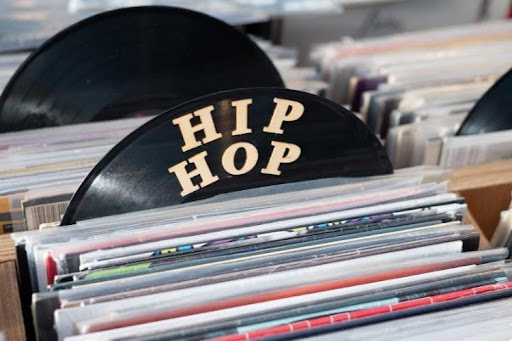
Music has never been more accessible. With millions of songs available through streaming services, listeners can discover artists from around the world with just a few taps. Yet, despite this convenience, many younger people are embracing music collecting as a meaningful hobby.
Vinyl records, cassettes, CDs, and limited-edition releases are attracting a new generation that values ownership, personal connection, and tangible experiences.
Rather than replacing digital listening, collecting has become a way to deepen the relationship people have with the music they love. It transforms albums into keepsakes, encourages intentional listening, and offers an opportunity to express personal identity.
As more young music fans build collections of their favorite releases, it’s clear that physical media has found a lasting place alongside digital platforms.
Collecting Creates a More Personal Connection to Music
Streaming has made music readily available, but it has also changed the way many people listen. Playlists, algorithms, and endless recommendations often encourage listeners to skip between songs rather than appreciate an album as a complete work.
Collecting physical music encourages a different approach. Choosing an album, placing it on a turntable, or opening a CD case creates a deliberate listening experience that allows people to spend more time with the music itself.
Many younger collectors appreciate elements that digital formats cannot fully replicate, including:
- Album artwork that can be displayed and admired.
- Printed lyrics and liner notes.
- Credits highlighting producers, musicians, and designers.
- Special editions featuring unique artwork or colored vinyl.
These details help listeners better understand the creative process behind each release while making every album feel like something worth keeping.
Physical Collections Reflect Personal Identity
Music has always been closely tied to self-expression. Today, collections have become another extension of personal style.
Much like bookshelves or art collections, a carefully chosen music collection reflects individual tastes, interests, and experiences. Rather than simply showing what someone listens to online, physical albums often represent concerts attended, favorite artists discovered over time, or records connected to meaningful memories.
Many younger collectors also enjoy curating displays within their homes. Shelving records alongside books, plants, or artwork allows music to become part of their living space rather than remaining hidden inside a digital library.
Because every collection develops differently, no two shelves look exactly alike, making the hobby feel personal rather than trend-driven.
Social Media Has Introduced Collecting to New Audiences
While collecting itself is nothing new, social media has made it easier for younger audiences to discover the hobby.
Videos showing record store visits, collection tours, listening setups, and album recommendations have introduced millions of people to physical music formats. Instead of viewing records as nostalgic objects from previous generations, younger audiences increasingly see them as part of modern music culture.
Online communities also make it easier for collectors to:
- Share new finds.
- Exchange recommendations.
- Learn about album pressings.
- Discover independent artists releasing physical editions.
- Connect with other fans who appreciate similar genres.
As interest grows, many people move from casually buying one favorite album to building collections that evolve over time.
For those beginning their own collections, retailers such as Evergreen Vinyl offer a wide selection of records across different genres, making it easier to discover albums that match individual musical tastes. Whether someone is looking for timeless classics or newer releases, having access to a broad catalog helps new collectors build a collection they’ll genuinely enjoy.
Music Collecting Encourages More Intentional Listening
One reason younger generations continue embracing physical media is that it naturally slows the listening experience.
Unlike streaming, where skipping tracks takes only a second, playing a record often encourages listeners to experience the album from beginning to end. This allows songs to be heard in the order the artist intended, fostering greater appreciation for pacing, storytelling, and production.
Intentional listening can also become part of everyday routines, such as:
- Relaxing After Work: Setting aside time to listen to a full album provides a welcome break from constant notifications and screen time.
- Hosting Friends: Playing records at gatherings often sparks conversations about artists, genres, and favorite albums, creating a shared listening experience.
- Discovering Hidden Tracks: Albums often contain overlooked songs that listeners might never encounter on playlist-driven streaming.
These moments encourage music to become an activity rather than simply background noise.
The Thrill of Finding Something Special
Collecting appeals to the natural satisfaction of searching for something meaningful.
Some collectors enjoy hunting for first pressings or limited editions, while others simply look for albums that shaped their lives. Visiting record stores, browsing local markets, or discovering unexpected finds while traveling all add excitement that digital downloads cannot easily match.
The process itself becomes part of the hobby. Every new addition often carries a story about where it was found or why it was worth bringing home.
For many younger collectors, building a library gradually feels more rewarding than instantly accessing everything online.
A Hobby That Bridges Generations
Music collecting has also become a shared interest across different age groups.
Parents and grandparents often introduce younger family members to albums they grew up listening to, creating conversations about artists, musical history, and changing recording formats. Likewise, younger collectors frequently introduce older generations to contemporary artists who continue releasing music on vinyl.
This exchange helps preserve musical traditions while allowing collections to grow across decades rather than remaining tied to a single generation. It also demonstrates that physical music formats are not simply nostalgic artifacts. Instead, they continue evolving alongside modern artists and audiences.
Final Thoughts
Music collecting continues to resonate with younger generations because it offers something that streaming alone cannot provide. It encourages thoughtful listening, celebrates album artwork and storytelling, and allows fans to build collections that reflect their personalities and experiences.
As digital convenience becomes increasingly common, many people are discovering that physical music offers a refreshing sense of permanence and connection. Whether someone starts with a single favorite album or gradually builds an extensive collection, the appeal lies in creating a lasting relationship with the music that matters most.