
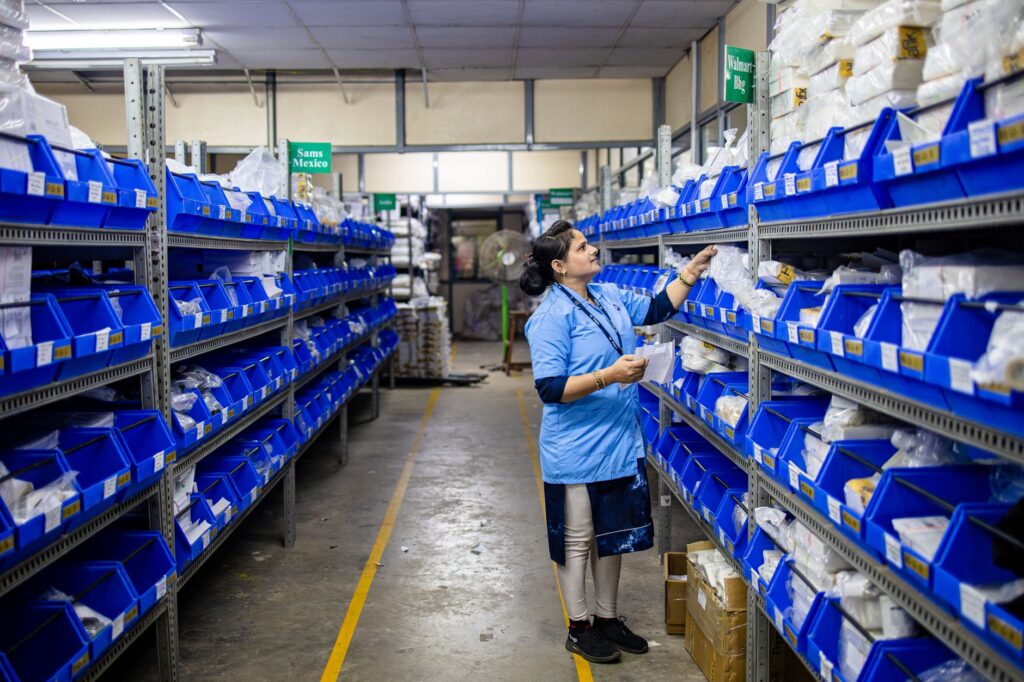
Skipping a supplier audit before your first order is one of the most expensive mistakes in international procurement. Fraud, hidden markups, quality failures, and supply chain collapses are all preventable – if you verify before you buy.
The False Sense of Security of a "Good Deal"
You found a supplier online. Their website looks professional. Their samples were flawless. Their price is 30% below your current vendor. Everything feels right.
This is exactly when you're most at risk.
The appearance of a reliable supplier and the reality of one are two very different things. In international sourcing – especially across Asia – the gap between what a factory presents and what it actually delivers can cost you hundreds of thousands of dollars, your product launch timeline, and your reputation.
A supplier audit is the only tool that closes that gap before money changes hands.
What a Supplier Audit Actually Checks
A proper pre-order audit goes far beyond a factory tour. It systematically verifies:
- Legal legitimacy – Is the company officially registered? Does it match the entity you're contracting with?
- Production capacity – Can they actually manufacture your volume, on time, with their own equipment?
- Quality management systems – Do they have documented QC processes, or is quality control improvised?
- Workforce and skills – Do they have trained staff for your product category?
- Subcontracting practices – Will your order be quietly handed off to a third factory you've never seen?
- Financial stability – Are there signs of financial distress that could halt production mid-order?
- Compliance – Do they meet labor, environmental, and regulatory standards in your target market?
Each of these dimensions is a potential failure point. An audit surfaces them before they become your problem.
The Real Risks of Skipping an Audit
Fraud is more common than you think
51% of organizations experienced fraud in the past two years (PwC Global Economic Crime Survey, 2024). In manufacturing, the median fraud loss is $267,000 per case – with an average reaching $1.8 million (ACFE, 2024).
Common schemes buyers encounter without an audit:
- Sourcing agents adding hidden markups of 30–40% on top of the quoted factory price
- Fictitious vendors operating from PO Box addresses
- Counterfeit or used components billed as premium materials
- Tariff manipulation that doubles your actual landed cost
Quality failures compound fast
When supplier quality breaks down, the Cost of Poor Quality (COPQ) averages 15–40% of sales revenue – through scrap, rework, returns, warranty claims, and recalls (ASQ).
The average direct cost of a product recall is ~$10 million per incident. Indirect costs – brand damage, lost retail shelf space, legal liability – run 5 to 10 times higher.
Supply chain disruptions are catastrophic
The average cost of a supply chain disruption is $228 million per organization in the U.S. (Statista, 2021). Supplier failures account for ~14.5% of all disruptions – and they are almost entirely preventable with proper vetting.
A supplier who looked reliable on paper but had undisclosed cash flow problems, aging machinery, or an over-committed production schedule can bring your entire launch to a halt.
When Is a Supplier Audit Most Critical?
A pre-order audit is non-negotiable in these situations:
- First order with any new supplier – no track record, no trust established yet
- High-value or high-volume orders – the financial exposure justifies the audit cost many times over
- Regulated product categories – electronics, food, cosmetics, medical devices, children's products
- Offshore sourcing (China, Vietnam, India, Bangladesh, etc.) – distance makes real-time oversight impossible
- Products with strict compliance requirements – CE marking, FDA, REACH, RoHS, or similar
The lower the order value, the more tempting it is to skip the audit. That's backwards thinking: a $5,000 audit can protect a $200,000 order.
How to Conduct a Supplier Audit
A rigorous supplier audit follows a structured process – from pre-audit documentation review to on-site inspection, scoring, and corrective action follow-up.
Key steps typically include:
- Document verification – business license, certifications, financial records
- On-site factory visit – capacity, equipment, workforce, working conditions
- Quality system review – incoming inspection, in-process controls, final QC
- Compliance check – labor standards, environmental practices, regulatory certifications
- Scoring and reporting – a formal audit report with pass/fail criteria and corrective action requirements
Never accept a supplier's self-assessment or a third-party audit they commissioned themselves. An independent audit, conducted by someone with no financial interest in the outcome, is the only version that protects you.

