
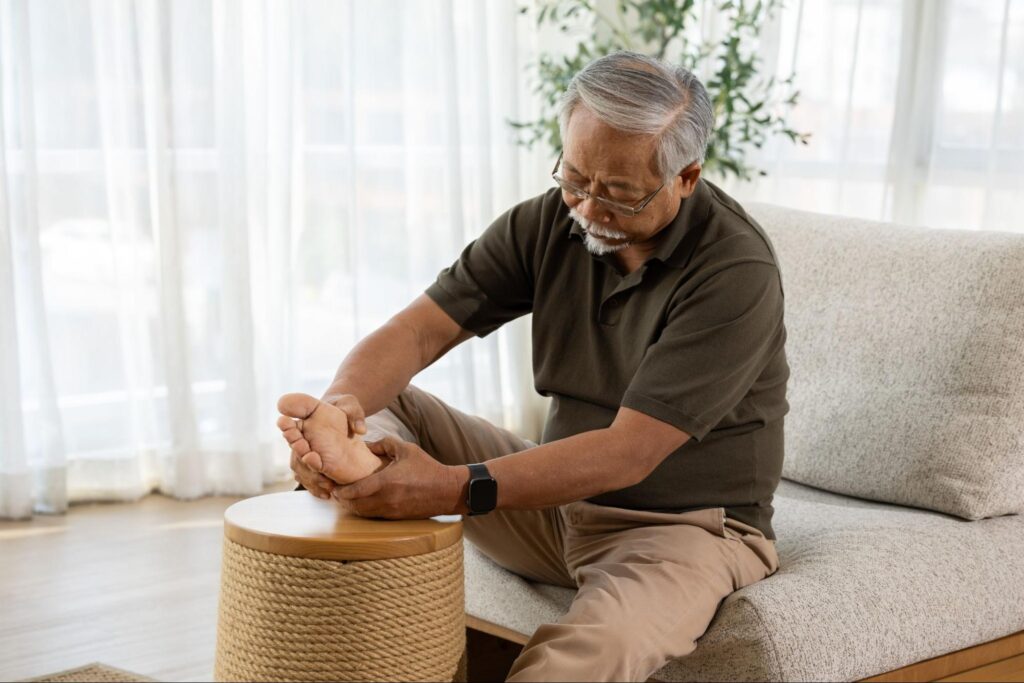
Foot pain sneaks up on you. Maybe you notice it after a walk one day or when you try to stand up in bed. Before you know it daily tasks seem like a lot more work than they used to be.
When every step feels painful, you naturally start to cut back on movement, often without consciously deciding to. Maybe you start skipping your daily walks or take the elevator more often instead of the stairs. Maybe you find excuses not to do the hobbies that keep you active. Small changes like these can add up and impact your health and mobility.
To get a handle on foot pain, you’ve got to first understand its source.
Common Foot Problems That Can Affect Your Activity Levels
From persistent heel pain to stiff joints and changes in foot structure, these common conditions can make every step feel more challenging if they’re left unaddressed.
Plantar Fasciitis and Persistent Heel Pain
The best insoles for plantar fasciitis are designed to support the arch and reduce strain on the plantar fascia. That’s because good arch support and decreased pressure on your plantar fascia are key when it comes to treating this very common cause of heel pain.
Plantar fasciitis is inflammation of the thick band of tissue that runs across the bottom of your foot. It’s typically caused by repetitive strain, standing for long periods of time, wearing shoes that don’t provide enough support and/or suddenly increasing your activity level.
Typically, you’ll feel the pain when you take your first steps in the morning or after sitting for long periods of time. If you let it, plantar fasciitis can plague you all day. As your heel pain intensifies, even simple things like walking the dog, climbing stairs, or your usual brisk walk might start to cause discomfort.
Cutting back on activity now can lead to a less active lifestyle as you age. Staying active is key to keeping your strength and balance up as you get older. So take care of that heel pain now, before it affects your daily activities.
With rest, stretches and good shoes, you can avoid letting heel pain control your life. Along with footwear that provides shock absorption and support, specific stretches and strengthening exercises as well as proper foot support can lessen the stress on your plantar fascia.
Bunions and Changes in Foot Structure
Bunions form when the joint that connects your big toe to your foot slowly moves out of place. The toe begins to angle towards your other toes. Genetics can cause bunions to form but the shape and biomechanics of your feet and ill-fitting shoes can cause bunions over time.
If bunions get severe enough they can cause shoe shopping to become a frustrating and often painful task. Wearing tight or narrow shoes can irritate the joint making daily activities painful. Walking, working out, or standing could become uncomfortable so people will alter their gait or decrease activity in an effort to prevent pain. This can cause issues in other areas of your body.
Bunions don’t always need treatment but if they cause chronic pain or alter your gait you may want to correct the issue. Correcting structural changes can help you feel more comfortable, allow for healthy movement patterns and help you stay active later in life.
Arthritis and Stiff Joints
Arthritis can affect many joints in the feet and ankles. Pain, swelling and stiffness from arthritis can make it harder to do everyday activities that require you to move your feet and ankles. Every time you walk or run, your feet absorb a tremendous amount of force. Changes in your joints may affect your walking, balance and mobility.
Limited range of motion in your feet and ankles can also make it difficult to move around. This can be especially noticeable when you first get out of bed in the morning or after sitting for a while. Loss of flexibility might discourage you from staying active. Regular exercise is one of the best things you can do for your joints.
Joint stiffness is normal as you age. When swelling persists, pain in the joints becomes a constant issue, or you experience joint warmth alongside a decline in mobility, these symptoms may be red flags for arthritis. Taking steps to manage your arthritis with appropriate exercises, comfortable shoes and the care of your doctor can help you stay comfortable and mobile.
Balance Issues and Reduced Foot Strength
Healthy feet can help you do more than just walk from place to place. The muscles, tendons and ligaments within your feet support balance and impact absorption. Your feet also work hard to react to unbalanced surfaces or unexpected shifts in movement.
Foot strength tends to decrease with age, which can impact stability and increase your chances of tripping, slipping or falling. Even mild loss of foot strength can cause people to feel uneasy while walking. Some decrease their activity level because they lack the confidence to stroll or shop for long distances.
By increasing foot strength with routine movement, exercises and proper footwear, you can help support balance and reduce your risk of falling. Combined with practical fall safeguards to prevent trips at home like improving lighting, clearing walkways and wearing proper shoes can also help keep your feet on solid ground.
Why Foot Health Plays a Bigger Role As You Age
Your feet play a critical role in nearly every step you take. They support your balance, cushion impact and help you stay steady as you walk, exercise and move through your day. This is why foot function is so important as you age. Having good mobility helps you stay independent, confident and enjoy a better quality of life.
If something as simple as how your shoes fit becomes uncomfortable, it can impact your gait or movement pattern. You may unconsciously shift your gait to relieve foot pain, stiffness or lack of flexibility, which can put added pressure on your ankles, knees, hips and even your back. Ultimately, this can lead to feeling like moving becomes more difficult and may prevent you from wanting to stay active.
How Foot Problems Can Create a Cycle of Reduced Movement
Foot pain can make you want to slow down. Maybe you cut your walks short, start skipping workout classes or sit out on activities you used to love. Decreasing your activity level might feel good for a little while, but it can also cause you to lose strength, flexibility and mobility over time.
Cutting back on your regular activities can lead to a cycle of moving less and becoming weaker. Not only can this cause a decline in your physical strength, but it may also make you feel less confident about your ability to do everyday tasks.
The encouraging part is that by keeping moving safely and comfortably, you can help preserve your mobility over time. Gentle activity, along with comfortable shoes and early treatment for foot problems, can help you stay on the go.
Ways to Protect Your Feet and Stay Active as You Get Older
Foot care is one area that does not require overhauling your life. Small steps you can take include wearing shoes that support your feet, keeping your feet strong and flexible, and listening to your feet if they suddenly feel uncomfortable or if your gait changes.
You also shouldn’t disregard chronic pain or alteration in gait. If something doesn’t feel right or you’re just in discomfort, make an appointment with your orthopedic provider or another foot care specialist. They can help you determine what may be causing your symptoms and what treatment plans will work best for your lifestyle. The earlier you have support, the easier it is to remain active and pain-free later in life.
Looking After Your Feet Means Looking After Your Future Mobility
Active ageing is the ability to do what you have always loved throughout your life. As you age, your feet can help you maintain your independence by keeping you steady on your feet and comfortable day-to-day.
Taking small preventive measures such as wearing comfortable shoes and treating issues sooner rather than later can allow you to keep moving around as you age. Taking care of your feet helps you continue to walk around, work out and do what’s important to you for longer.
Your feet are a huge part of your overall health. When your feet feel good, you can go farther. By taking care of your feet now, you can enjoy an even healthier future.
