Rescue technology gets a lot of attention for the dramatic part: hydraulic cutters slicing through a car door, spreaders prying apart crushed metal. What happens next, actually getting an injured, often unstable patient safely into an ambulance and to a hospital, gets far less attention, despite being just as critical to survival.
Why This Part of the Process Matters So Much
The minutes immediately following extraction are often the most dangerous for a trauma patient. Internal bleeding, spinal injuries, and shock can all worsen rapidly if the patient is moved incorrectly or transported on equipment that doesn’t stabilize them properly. EMS crews are trained extensively on this handoff for exactly this reason.
What Modern Ambulance Cots Actually Do
Older stretcher designs required EMS crews to manually lift a loaded cot, often at awkward angles, into the back of an ambulance, which contributed to a significant number of on-the-job injuries among EMS personnel over the years. Modern powered cot systems handle much of that lifting mechanically, reducing strain on crews while also providing a smoother, more controlled transition for the patient.
Weight Capacity and Why It Matters More Than People Assume
Ambulance cots today are built to handle a wide range of patient sizes safely, with some modern systems rated for 700 pounds or more. This matters because an underrated cot used beyond its safe capacity can fail at the worst possible moment, a risk that manufacturers like Stryker have addressed directly with heavy-duty powered systems designed for exactly this demand.
The Role of Fastening and Restraint Systems
Once a patient is on the cot, keeping them securely and safely restrained during transport is its own engineering challenge. Fastening systems have to hold the cot firmly in place inside a moving ambulance, often traveling at speed through traffic, while still allowing EMS crews quick access if they need to adjust care mid-transport.
Where This Equipment Comes From
Hospitals, EMS providers, and fire departments source this kind of equipment from specialized medical suppliers rather than general retailers. Ambulance Stretchers featuring Stryker’s Power-PRO series are widely used specifically because of their reliability under exactly these high-pressure, repeated-use conditions.
Training That Goes Along With the Equipment
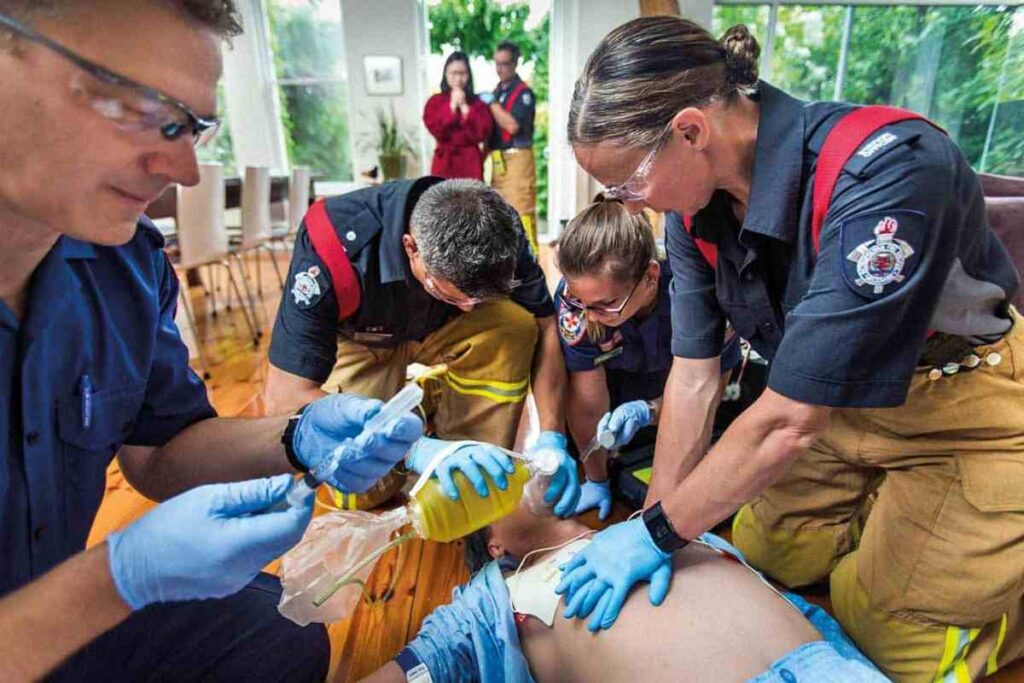
Just as rescue teams train extensively on extrication tools, EMS crews train specifically on loading, securing, and transporting patients using this equipment. The best cot in the world doesn’t help much without a crew trained to use it correctly under pressure.
A System, Not a Single Tool
The full emergency response chain, extrication tools, stabilization, transport equipment, and hospital handoff, functions as one connected system. A weak link anywhere in that chain, including outdated or unreliable transport equipment, can undo the benefit of even the most advanced rescue tools used earlier in the process.
Frequently Asked Questions
Why do modern ambulance cots use powered loading systems?
Powered systems reduce the physical strain on EMS crews from repeatedly lifting loaded cots and provide a smoother, more controlled transition for the patient into the ambulance.
What weight capacity do modern ambulance cots typically support?
Many modern powered cot systems are rated for 700 pounds or more, accommodating a wide range of patient sizes safely.
How does a fastening system work inside an ambulance?
Fastening systems secure the cot firmly to the ambulance floor during transport, keeping it stable at speed while still allowing crews quick access to the patient if needed.
Do EMS crews receive specific training for using this equipment?
Yes, EMS crews train extensively on loading, securing, and safely transporting patients using cot and fastening systems as part of standard emergency response training.
Why does the equipment used after extraction matter as much as the extraction itself?
A patient’s condition can worsen quickly in the minutes following a rescue, so reliable transport and stabilization equipment is just as critical to survival as the tools used to free them.