
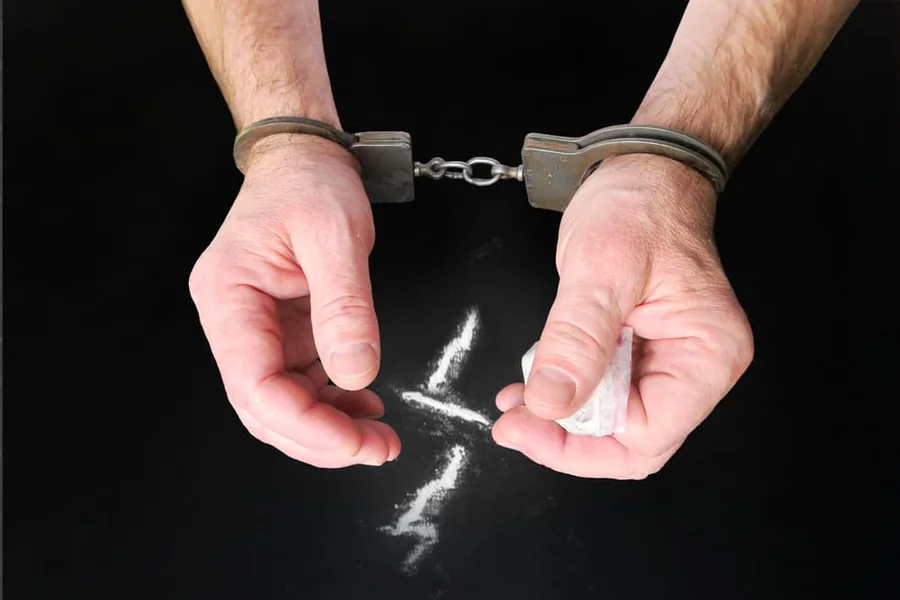
You were pulled over for a broken taillight. Or you were a passenger in a car that got stopped at a checkpoint. Maybe someone you were with had something in their bag, and now your name is on the police report too. Drug charges don’t always stem from dramatic situations. They often begin with something routine, and by the time you realize the severity of what you’re facing, the case is already moving through the system.
A Los Angeles drug crimes attorney who handles these cases regularly will know how to assess the charges, identify weaknesses in the prosecution’s evidence, and build a defense tailored to the specific circumstances. Getting that guidance early often changes the outcome.
How Drug Charges Are Categorized
Not all drug charges are the same. What someone is charged with depends on the substance, how much of it was found, and what prosecutors believe the person intended to do with it.
At the federal level, drugs are grouped into five schedules under the Controlled Substances Act. Schedule I includes substances like heroin and LSD. Schedule V covers drugs with a low potential for abuse. The higher the schedule, the harsher the penalties tend to be.
State laws add another layer. In California, for instance, there’s a clear legal distinction between simple possession, possession with intent to sell, trafficking, and manufacturing. Each one is treated differently. A single arrest can lead to very different charges depending on the details surrounding it.
Why Intent Matters So Much
Here’s where things get complicated. Two people could be caught with the same substance, but one walks away with a misdemeanor, and the other faces a felony. The difference usually comes down to intent.
If someone has a small amount of a drug on them and nothing else, prosecutors will likely treat it as personal use. But add in baggies, a digital scale, or a large amount of cash, and the charge jumps to possession with intent to distribute. That’s a felony in most jurisdictions.
The penalties between the two aren’t even close. Personal possession might mean probation or a drug program. Intent to distribute could mean years behind bars.
What the Process Looks Like After an Arrest
After an arrest, things tend to follow a fairly standard path. The person is booked and may need to wait for a bail hearing before being released. Then comes the arraignment, where the charges are formally read, and a plea is entered.
After that, the pretrial phase begins. This is where a defense attorney does the heaviest lifting. They’ll go through discovery, challenge questionable evidence, and negotiate with the prosecution.
One of the most common defense strategies in drug cases involves how the drugs were found in the first place. If the police conducted an illegal search, any evidence obtained from it could be thrown out. That alone can make or break a case.
Many drug cases never actually go to trial. Plea deals are common, especially when the prosecution has a strong hand, but the defendant has mitigating circumstances worth considering.
Consequences That Go Beyond the Courtroom
A conviction doesn’t end when the sentence is served. That’s something a lot of people don’t realize until it’s too late.
Misdemeanor possession might result in fines, community service, or a diversion program. Felony convictions carry much steeper consequences: mandatory minimum sentences, extended prison time, and limited options at sentencing. But the real damage often shows up later. A felony drug conviction can block someone from getting professional licenses. It can affect housing applications, financial aid, and even custody arrangements. These collateral consequences follow people for years, sometimes permanently.
Conclusion
Drug charges are not something to take lightly or try to handle alone. The type of substance, the amount, and what prosecutors believe about intent all shape how severe the outcome can be. Understanding the process helps, but the right legal defense is what actually makes a difference. The earlier that defense begins, the better the position someone is in to protect their future.

