
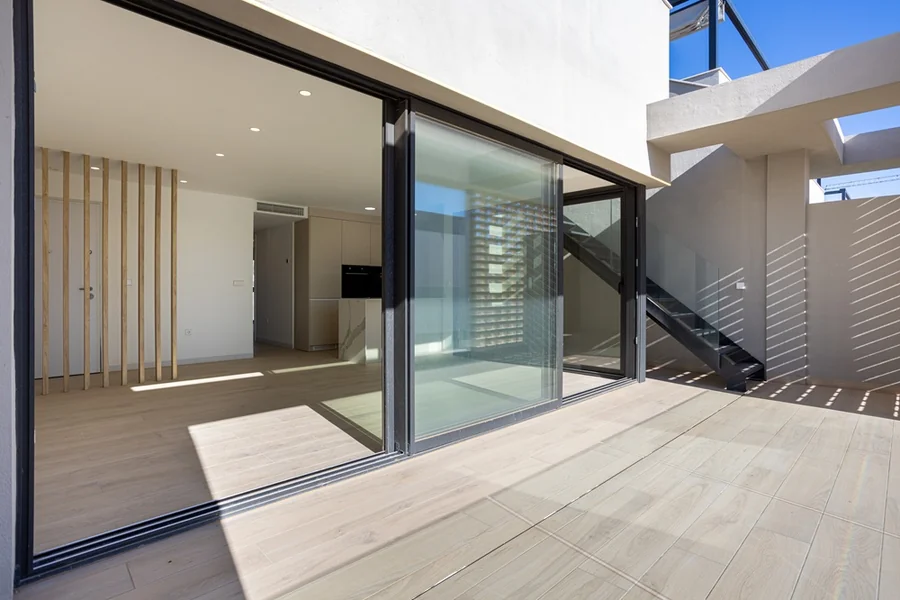
There is a sound every desert homeowner learns to dread. A low gritty scrape, then the door stops halfway, and opening the patio takes two hands and a grunt. Last spring it glided. Now it fights back. No mystery, really. It is sand, the same grit the wind hauls across the valley by the ton, packed into the bottom track again. Around here, sliding glass door service in Palm Desert is not pampering a home. It is just keeping up with the desert.
1. Blame the Pass
The wind here is not random bad luck; it has an address. West of town, the San Gorgonio Pass cuts a deep gap between two mountain ranges and works like a funnel, squeezing air out across the valley. Add the desert heat pulling more air through, and the gusts barely quit, worst from March into May. All that moving air scoops up loose sand and drops it everywhere people would rather it not be. Pools. Patios. Door tracks.
2. What Sand Does Down in the Track
Here is the ugly part. Once grit settles into the lower track, it stops being dust and becomes grinding paste. Every time the door rolls across it, the little wheels underneath get sanded flatter, and the track gets chewed up right along with them. The glide turns into a drag, then a hop, then a fight. Force a stuck door, and something snaps, usually a roller or the latch. Ignore it long enough and the track warps until the thing will not seal or lock.
3. Then There Is the Heat
Sand is not the only thing out to get a patio door. Summers that sit past a hundred and ten cook the rubber seals and weatherstripping until they crack, curl, and quit. And if the glass is old single-pane, that door is a sheet of sunlight pouring heat into the room while the AC runs itself ragged. Swapping tired seals and stepping up to insulated low-emissivity glass slows that heat down, and the cooling bill notices.
4. Upkeep That Actually Fits the Desert
A desert door wants desert-grade attention. That means clearing packed sand from the track, swapping worn rollers before they strand someone, hitting the right spots with lubricant, and checking the seals still bite. The crews who also handle window services in Palm Desert, CA know just how rough this place is on anything that slides or swings. A door looked after this way opens with one finger, locks like it should, and keeps most of that dust outside.
5. Fix It or Swap It?
Not every cranky door is a goner. A lot of the time a worn roller, bent track, or dead seal gets sorted in one visit for a sliver of a whole replacement. Other times the frame is corroded, or the glass has fogged up between the panes for good, and a fresh unit is the smarter spend on comfort and efficiency. A tech who knows these doors can call it on the spot, so nobody pays for a replacement when a repair would have done.
Out in Palm Desert, a sliding glass door is up against wind, sand, and heat that never let up. Grit grinds the rollers and track raw, while the sun bakes seals and runs the cooling bill higher. A little regular service keeps a door gliding, sealing, and locking instead of quitting on the hottest day of summer. Caught early, most fixes cost far less than a replacement. In a place this rough on everything, steady upkeep quietly pays for itself.
Patio door grinding, sticking, or letting the dust right in? Clear Winner can have it gliding again in no time. Call 760-338-0728 for a track-and-roller tune-up or a full swap, and put the desert back where it belongs, outside.
FAQs
Q1: Why do patio doors stick so much in Palm Desert?
In Palm Desert, wind-driven sand settles into the bottom track and grinds away at the rollers below. That gritty buildup makes a door drag and catch, so clearing the track and replacing tired rollers usually gets it moving freely again.
Q2: How often do these doors need a tune-up out here?
Once a year covers most homes, ideally right after the windy spring stretch winds down. Houses sitting close to open desert or in a strong wind corridor may want a look twice a year to stay ahead of the grit.

