
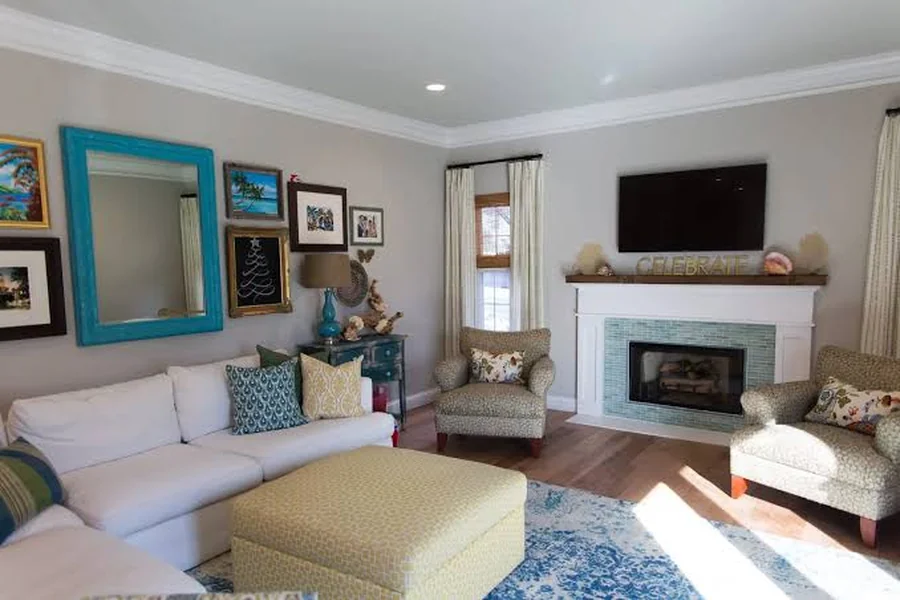
Your living room does more than fill space in your home. It hosts family conversations, quiet evenings, celebrations, and everyday routines. A well-designed room should support all of those moments without feeling cluttered or impractical. While design trends often focus on appearances, genuine comfort comes from making thoughtful choices that suit the way you live.
Creating a comfortable living room doesn’t require a complete renovation or expensive furniture. It starts with understanding how you use the space and making decisions that improve its function. From choosing adaptable seating to layering lighting and reducing visual clutter, every element should work together to make the room easier to enjoy every day.
Build the Room Around the Way You Live
Before choosing colors, décor, or accessories, think about how your household uses the living room. Some families gather there every evening, while others use it mainly for entertaining guests. Some people need a quiet reading corner, while others want a flexible space where children can play comfortably.
Your furniture should reflect those habits rather than follow a trend. A room that supports your daily routine will always feel more inviting than one designed only to impress visitors.
One practical option is modular seating, which allows you to adjust your layout as your needs change. For instance, modular couches from Soulfa can give you the flexibility to rearrange sections, expand seating, or adapt the room without replacing an entire sofa. That flexibility becomes especially useful if you move house, welcome a growing family, or simply enjoy refreshing your layout from time to time.
When choosing seating, think beyond appearance. Cushion support, seat depth, arm height, and upholstery can affect long-term comfort. A sofa should encourage people to sit down and stay awhile rather than simply complete the room visually.
Plan a Layout That Feels Natural
Furniture placement shapes how people move through a room. Even high-quality furniture can feel uncomfortable if the layout creates awkward walkways or separates people during conversation.
Start by identifying the room’s main purpose. If conversation matters most, arrange seating so people naturally face one another. If the television acts as the focal point, position furniture to maintain comfortable viewing angles without making the room feel like a cinema.
Leave enough space to move between furniture without squeezing through narrow gaps. At the same time, avoid placing furniture too far apart, as this can make conversation feel less natural.
In larger living rooms, create separate zones instead of treating the entire space as one large seating area. A comfortable chair beside a bookshelf can become a reading corner, while a small table near a window creates an ideal spot for morning coffee. Rugs, lighting, and furniture placement define these areas without interrupting the room’s overall flow.
Choose Materials That Work for Everyday Life
Comfort involves more than soft cushions. The materials throughout your living room affect how practical and welcoming the space feels over time.
Natural fabrics often create a relaxed atmosphere, while durable upholstery handles daily wear more effectively in busy households. If children or pets regularly use the room, choose fabrics that resist stains and clean easily without sacrificing comfort.
Layering different textures also adds warmth without creating unnecessary clutter. A woven rug softens hard flooring, linen cushions introduce subtle variation, and a knitted throw makes seating feel more inviting during cooler months.
Wood, stone, leather, and natural fibers complement one another because they age gracefully and add character over time. Rather than filling shelves with decorative objects, focus on materials that create visual interest while remaining useful.
Use Lighting to Support Different Activities
Lighting changes the atmosphere of a living room throughout the day. A single ceiling light rarely provides the flexibility that modern living requires.
Instead, layer several light sources to match different activities. Floor lamps provide focused light for reading, while table lamps create a softer setting during the evening. Wall lighting or subtle accent lights can highlight artwork, shelving, or architectural features without dominating the room.
Natural light deserves equal attention. Avoid blocking windows with oversized furniture or heavy curtains wherever possible. During the day, daylight helps the room feel more open and welcoming.
As daylight fades, warmer lighting creates a comfortable environment for relaxing, watching television, or spending time with family. The ability to adjust lighting throughout the day makes the room feel more adaptable and comfortable in every season.
Reduce Clutter Without Removing Personality
A comfortable living room feels organized, but it should never feel sterile. The goal is to reduce unnecessary distractions while keeping the room personal and welcoming.
Choose storage that blends naturally into the design. Coffee tables with hidden compartments, storage ottomans, and well-designed shelving help keep everyday items accessible without crowding surfaces.
Display objects that genuinely matter to you instead of filling every shelf for decoration. Favorite books, framed photographs, travel souvenirs, or artwork with personal meaning add character without overwhelming the room.
Limiting decorative items also makes cleaning easier and helps the room feel calmer. Each item should have a purpose, whether practical or sentimental. Comfort often comes from simplicity rather than abundance.
Make the Space Easy to Adapt
No living room stays exactly the same forever. Families grow, routines change, and people move house or redesign interiors over time. Creating flexibility from the beginning makes future updates much easier.
Instead of treating furniture as fixed, think about how individual pieces can evolve alongside your lifestyle. Modular seating offers one practical solution because you can rearrange sections as your needs change. You may want a larger seating area for entertaining today and a more open layout next year.
The same principle applies to smaller pieces. Lightweight side tables, movable lamps, and versatile storage make it easier to refresh the room without starting from scratch. Designing for adaptability helps your living room remain functional long after current design trends fade.
Conclusion
Designing your living room around everyday comfort means putting real life ahead of short-lived trends. Start by understanding how you use the space, then choose furniture, lighting, materials, and storage that support those routines. Arrange the room to encourage conversation, reduce clutter, and create flexibility for future changes.
Small, thoughtful decisions often make the biggest difference. Comfortable seating, practical layouts, layered lighting, and meaningful personal touches create a room that feels welcoming every day rather than only when guests arrive.

