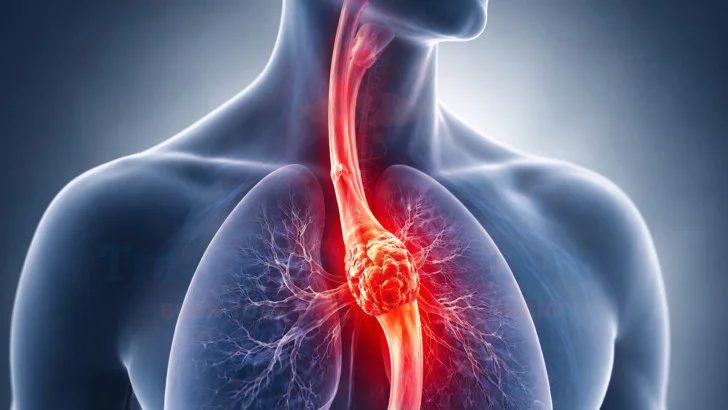
Esophageal cancer is a form of cancer and starts in the esophagus, which is a long, thin, tube-like muscular organ made of smooth muscle and mucous membrane that runs from the throat down to the stomach. Like other types of cancer, esophageal cancer is relatively rare compared to some other types of cancer and can severely affect a person’s ability to swallow, their eating and their general health and well-being, until it is finally diagnosed.
Over time, multiple treatment approaches have become available for esophageal cancer. Diagnostics of esophageal cancer have improved significantly. Besides that, in many countries, diagnostic methods are increasingly integrated in broader screening programs for patients with GERD. Surgical treatment, radiation treatment and systemic treatment of patients with esophageal cancer as well as palliative treatment have all made great progress.
This article describes early diagnosis, diagnostic processes, as well as current treatment options of esophageal cancer, and aims to deliver information regarding esophageal cancer to the public in an adequate and accurate manner. Readers should seek medical professionals’ advice regarding specific situations.
What Is Esophageal Cancer?
Esophageal cancer is a type of cancer, which develops in the lining of the esophagus. Abnormal cells in the lining of the esophagus can grow and form a tumor. A tumor can spread to nearby tissues and to other parts of the body.
Types of cancer that afflict the esophagus:
Adenocarcinoma
Adenocarcinoma typically develops in the lower part of the esophagus, near the stomach. In many cases, patients are diagnosed with adenocarcinoma of the esophagus after they have been experiencing symptoms of gastroesophageal reflux disease (GERD) for a long period of time, and they develop Barrett’s esophagus, a precancerous change in the lining of the esophagus that can progress cancer.
Squamous Cell Carcinoma
Historically, smoking and heavy alcohol consumption have been established as risk factors for squamous cell carcinoma of the esophagus. Additional factors such as dietary habits and environmental exposures have also been proposed to play a role in the development of this cancer.
Each type of cancer requires a different approach, and this is especially the case with the two types of cancer that affect the esophagus. Accurate diagnosis of the cancer type helps in appropriate treatment planning.
Why Early Diagnosis Matters
Esophageal cancer does not always display any symptoms in the early stages of the disease. As the tumor grows, however, symptoms will become more apparent.
Common symptoms may include:
- Difficulty swallowing (dysphagia)
- Pain while swallowing
- Persistent heartburn or worsening acid reflux
- Chest discomfort or pressure
- Unexplained weight loss
- Hoarseness
- Persistent cough
- Fatigue
- Loss of appetite
Some of the symptoms of cancer in the esophagus can occur in people with non-cancerous diseases, too. People experiencing persistent or worsening symptoms should consider consulting a qualified healthcare professional for evaluation.
Early evaluation of symptoms may support timely diagnosis and treatment planning
How Esophageal Cancer Is Diagnosed
All of the tests to diagnose and determine the extent of esophageal cancer are outlined here.
Medical History and Physical Examination
The healthcare team determines the appropriate course of action to identify and diagnose the cancer by looking at the patient’s entire medical history, symptoms, physical examination and risk for cancer.
Upper Endoscopy
An upper endoscopy is one of the tests used to diagnose esophageal cancer. The test involves passing a thin, flexible tube down the throat with a camera on the end. The doctor will pass the tube through the mouth and look at the lining of the esophagus. The doctor may find an area that does not look normal and take a biopsy.
Biopsy
During the endoscopy procedure, if the doctor finds any suspicious-looking areas in the esophagus lining, he or she can take a small tissue sample from that area for a biopsy to check for cancer cells. A biopsy can also identify the exact type of cancer.
Imaging Studies
There are several investigations which can determine the extent of spread of cancer outside of the esophagus and hence determine the stage of the cancer.
These may include:
- Computed tomography (CT) scan
- Positron emission tomography (PET) scan
- Endoscopic ultrasound (EUS)
- Magnetic resonance imaging (MRI) in selected situations
Imaging studies are used to determine the extent of cancer, i.e. the size of the tumor and whether cancer has spread to lymph nodes or to distant organs.
Understanding Cancer Staging
- Stage I: Cancer is within the esophagus and has only invaded the innermost layers of the organ wall.
- Stage II: The cancer has penetrated deeper into the wall of the esophagus and/or has spread to lymph nodes in the area.
- Stage III: The cancer has extended to adjacent tissues and/or to multiple lymph nodes.
- Stage IV: The cancer has spread to distant sites, for example to the liver or to the lungs.
The cancer’s stage can help in treatment planning. It also tells if the cancer has spread.
Modern Esophageal Cancer Treatment Options
The esophageal cancer treatment today involves a wide range of therapies. A multidisciplinary approach including different types of therapy is used, taking into account the stage of the cancer, the location of the tumor, the general state of health of the patient and his individual needs.
Healthcare teams for patients with esophageal cancer include surgeons, medical oncologists, radiation oncologists, gastroenterologists, radiologists, pathologists, nutrition team, nurses and supportive care professionals.
Surgery
Surgery is a commonly used treatment option for patients with localized esophageal cancer. An esophagectomy is the removal of part or all of the esophagus, followed by the reconstruction of the digestive tract, in order to restore the patient’s ability to swallow food.
Advances in minimally invasive surgical techniques and in Enhanced Recovery after Surgery (ERAS) plans and programs for post-surgical care have led to improvements in the care of patients who have had surgery for cancer of the esophagus.
Radiation Therapy
Radiation therapy uses high-energy radiation to destroy cancer cells or slow their growth.
Depending on the clinical situation, radiation therapy may be used:
- Before surgery
- Alongside chemotherapy
- After surgery in selected cases
- To help relieve symptoms in advanced disease
Modern radiation treatment planning is able to give highly conformal treatment plans while keeping a tight dose constraint to surrounding normal tissues.
Chemotherapy
Chemotherapy uses drugs that are given by mouth, or intravenously and travel through the bloodstream to find and kill cancer cells that are growing and dividing.
It may be administered:
- Before surgery (neoadjuvant therapy)
- After surgery (adjuvant therapy)
- Together with radiation therapy
- As treatment for advanced or metastatic disease
Typically a range of different drugs are used, with treatment schedules planned and reviewed on an individual basis.
Targeted Therapy
Some esophageal cancers are characterized by specific molecular features that can be treated with targeted therapies. Lab testing can determine if the cancer in the esophagus contains specific molecular characteristics that may be treated with targeted therapy.
Targeted therapy is not for every patient with esophageal cancer. Each patient is evaluated on an individual basis and the treatment decision is made based on the biological features of the cancer.
Immunotherapy
Immunotherapy has become an important area of research and clinical practice for selected patients with advanced esophageal cancer.
These medicines help the immune system recognize and respond to cancer cells more effectively.
It depends on various factors, such as biomarker status of cancer, stage of cancer, previous treatments and patient’s overall clinical status.
Research is ongoing to identify the appropriate situations in which to use immunotherapy.
Supportive Care Throughout Treatment
Supportive care is an essential part of comprehensive cancer management. Many patients are struggling to maintain their optimal nutrition status while they are undergoing treatment for esophageal cancer and are suffering from symptoms like fatigue and poor emotional well being.
Supportive care may include:
- Nutritional counseling
- Swallowing rehabilitation
- Pain management
- Psychological support
- Symptom management
- Physical rehabilitation
- Palliative care when appropriate
These services are intended to support overall quality of life during treatment.
Ongoing Research and Future Directions
Ongoing research aims to improve the understanding of esophageal cancer and its treatment.
Current areas of investigation include:
- Earlier detection strategies
- Improved biomarker testing
- Personalized treatment approaches
- New targeted therapies
- Additional immunotherapy combinations
- Enhanced surgical techniques
- Better supportive care interventions
Clinical trials are a vital part of the ongoing research into a variety of diseases and offer patients the opportunity to take part in research studies that are looking at the latest treatment, including the potential to be given investigational therapies, under the close supervision of medical staff.
Key Takeaways
Esophageal cancer can be treated with early recognition and accurate diagnosis, followed by individualized treatment of the patient. Each patient’s situation is unique. Therefore, it is very important to first get a complete and accurate evaluation of a patient’s situation from a qualified and experienced medical professional, and to get the appropriate information available regarding current and emerging treatment options. Patients and their families can work with their healthcare team to make informed care and treatment decisions.