
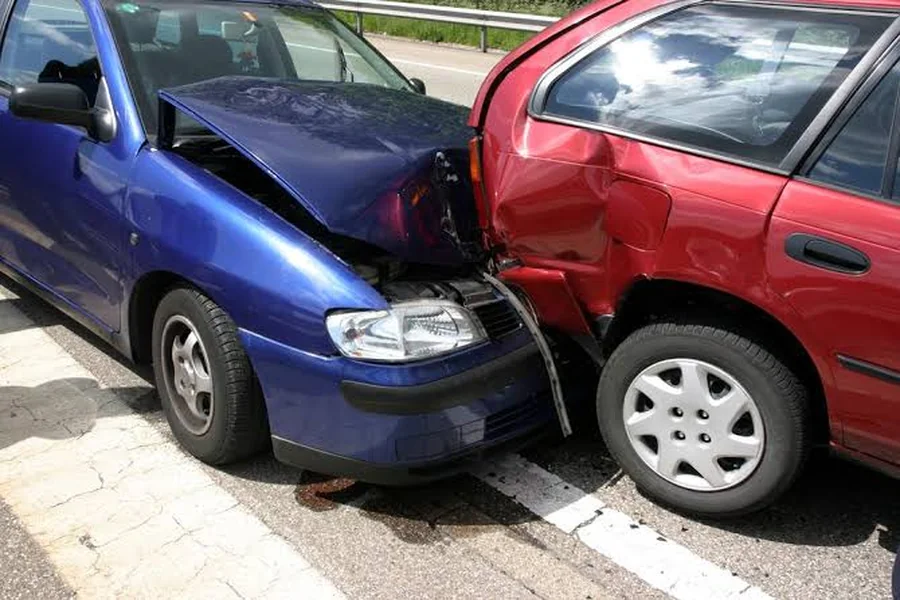
Florida’s busy highways, expanding cities, and year-round travel create constant movement across the state, with millions of drivers sharing the road every day. While most trips end without incident, collisions can happen in an instant, leaving victims to deal with painful injuries, financial strain, and uncertainty about what lies ahead. Beyond repairing a vehicle or receiving medical treatment, many people soon discover that pursuing compensation involves legal procedures, insurance negotiations, and important decisions that can influence their future.
Knowing how the claims process works can make an overwhelming situation feel more manageable and help injured individuals avoid costly mistakes along the way. Understanding the legal principles behind recovering compensation after a collision in Jacksonville allows accident victims to better protect their interests while seeking accountability from those responsible. With knowledgeable legal guidance and a clear strategy from the outset, they can focus on healing while taking meaningful steps toward financial recovery and long-term stability.
Early Claim Review
After a Jacksonville crash, the first steps for an injured person are to seek medical care, obtain repair estimates, and procure wage records before talks begin. Clear documentation helps ensure fair compensation after a collision by connecting the impact, fault, treatment, and losses into a single, organized claim. That early record helps reduce disputes and shows why payment is owed.
Medical Proof
Treatment records carry major weight in an injury claim. Doctors document symptoms, diagnoses, restrictions, and care needs. Those records show crash-related harm. Delayed care can create doubt, so prompt visits matter. Follow-up appointments also show steady effort to heal. A claim grows stronger when each bill, prescription, scan, and therapy note stays organized.
Fault Evidence
Payment usually depends on proving that another party caused the crash. Useful evidence includes police reports, photos, witness statements, videos, and vehicle damage. Each item helps explain what happened before impact. Fault may involve speeding, distraction, unsafe turns, poor lane changes, or impaired driving. Strong evidence gives insurers fewer reasons to shift blame or reduce value.
Economic Losses
Economic damages cover money spent or expected to be spent. These losses may include ambulance charges, emergency care, surgery, therapy, medication, and equipment. They include lost wages, reduced earning capacity, rental costs, and vehicle repairs. Receipts and employment records help verify totals. Future losses need medical opinions, work history, and practical estimates tied to the injury.
Non-financial Harm
Some losses do not appear on receipts. Pain, sleep problems, stress, anxiety, and lost enjoyment can affect daily life after a crash. These harms still matter in a claim. Journals, family observations, and medical notes can help describe their effect. The goal is to show how injuries changed routines, relationships, hobbies, movement, and independence over time.
Demand Package
A demand package explains the claim in a clear order. It identifies the fault, describes the injuries, lists the treatment, and totals the damages. Photos, bills, records, proof of missed work, and witness details support the request. The demand should also explain future needs. A focused package starts talks with facts instead of vague estimates.
Negotiation Stage
Settlement rarely starts with the insurer’s best number. An opening offer may ignore care, pain, or income loss. The injured person can respond with proof and a reasoned counteroffer. Negotiation works best when every requested dollar links to evidence. Patience also matters, because quick payment may leave unpaid costs outside the final agreement.
Lawsuit Option
If talks fail, a lawsuit may move the claim forward. Filing does not always mean trial. Many cases resolve after discovery, depositions, expert review, or mediation. Court action can pressure both sides to evaluate proof more seriously. Deadlines matter, so waiting too long can harm legal rights. Timely filing preserves options.
Comparative Fault
Florida uses comparative fault rules in collision cases. If an injured person shares blame, payment can be reduced by that percentage. For example, disputed speed or attention may affect value. Evidence helps limit unfair blame claims. Accurate crash facts, medical evidence, and witness accounts can more clearly show each party’s role.
Settlement Decision
Before accepting money, the injured person should compare the offer with all known losses. That includes unpaid bills, future treatment, wage gaps, pain, and long-term limits. A signed release usually ends the claim. Once accepted, additional funds are rarely available. Careful review protects against closing too early.
Conclusion
Recovering damages after a collision depends on proof, timing, and steady documentation. Medical records show harm, fault evidence explains responsibility, and financial records support payment demands. Insurance negotiations can take patience, but organized claims often hold stronger value. When settlement offers fail to reflect the full loss, litigation may provide another path. A careful injury claim helps injured people seek fair compensation while focusing on recovery and rebuilding their daily lives.

