
Plano’s population has officially crossed the 300,000 mark as of January 1, 2026, according to the North Central Texas Council of Governments (NCTCOG). That’s not a small suburb anymore. It’s a regional economic engine in its own right.
Most cities that grow this fast start to strain under the weight of it; schools get crowded, budgets get tight, and infrastructure lags. Plano hasn’t followed that script. A dense cluster of major corporate employers funds much of what keeps the city running, from schools to parks to public services.
Families invest here because of its major corporate base. It ensures steady job availability and growth prospects. Steady corporate jobs mean steady housing demand, and steady housing demand helps protect home values even when the broader market is under pressure.
Plano’s Corporate Boom
Plano offers more than 210,000 active jobs, according to the City of Plano’s official Comprehensive Plan. It’s not a traditional suburban commuter town where residents travel elsewhere for work. It’s a regional employment destination that draws workforce talent and commercial investment into the city limits.
The city hosts three Fortune 1000 corporate headquarters. It also has more than 72 Forbes Global 2000 multinational companies, as well as regional operations or headquarters of corporations such as Toyota Motor North America and JPMorgan Chase. This creates thousands of specialized positions in finance, engineering, and technology.
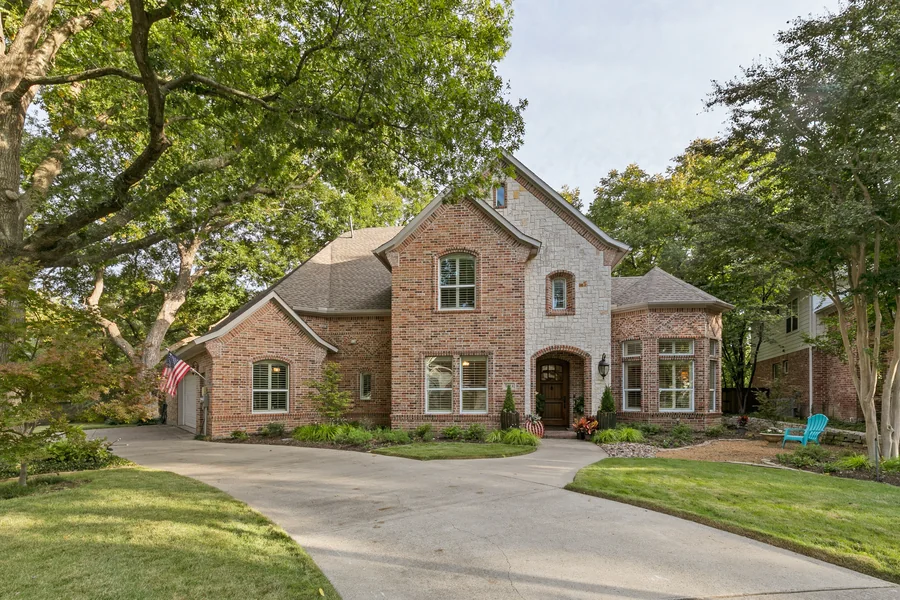
Professionals who relocate for these roles typically begin their home search online. Browsing homes for sale in Plano gives them a realistic picture of the market at their price point. This helps them make early bids before the competing offers narrow their options.
What Employment Base Does to Housing Demand
Plano’s median household income has climbed to $112,253, as per Texas Demographics by Cubit. Buyers earning at that level can absorb higher borrowing costs without pulling back from the market, which helps explain why Plano’s pricing has held while much of the broader Texas market softened.
Strong family income keeps the local housing market moving fast. According to Houzeo, the median sale price for a home in Plano is around $490,000, and homes spend an average of just 43 days on the market before going under contract. Housing demand is only part of Plano’s appeal. Families also look at the city’s schools, parks, and public safety before deciding to buy.
Schools, Parks, and Safety
Plano’s schools graduate 95% of students, on average. That number comes from the Public School Review 2026 database. Two schools do most of the heavy lifting on reputation: Skaggs Elementary and Rice Middle School, both ranked in the top 1% statewide for test scores. Ask any real estate agent in the area, and they’ll tell you the same thing: homes zoned to these schools don’t lose value the way others do. Parents pay a premium for that, and they’ll sometimes even stretch their budget just to lock down the right address.
Beyond employment and schools, daily quality of life adds another layer of demand that pure economic data doesn’t capture. The 2026 ParkScore Index from the Trust for Public Land ranks Plano as the #1 park system in Texas and the 13th best in the country, anchored by the 800-acre Oak Point Park and Nature Preserve and its citywide trail network.
Safety data backs up that livability. FBI Uniform Crime Reporting data compiled by AreaVibes puts Plano’s violent crime rate at roughly 1.5 incidents per 1,000 residents, with property crime at 14.7 per 1,000, both below national averages. For families weighing a move, that combination of green space and low crime is as much a factor as price or square footage.
Tax Savings Add to Plano’s Appeal
Total living expenses in Plano sit roughly 7% higher than the national average, according to Redfin. It is driven largely by the housing market, as corporate demand keeps it elevated. Texas’s 0% state income tax offsets some of that premium. This gives relocating professionals from states like California, New York, or Illinois more monthly cash flow to put toward the mortgage.
Selling Direct Saves Thousands in Agent Fees
Plano’s market moves fast. Both buyers and sellers are adopting digital listing tools to stay competitive. Online platforms like Houzeo, Zillow, and Redfin have made it easier to access hundreds of available homes in Plano. These platforms provide data on schools, communities, neighborhoods, and walkability.
This information has made Plano even more appealing to new residents. Plano grew its corporate base without letting schools, parks, or public safety fall behind, and that’s rarer than it sounds. Most fast-growing suburbs pick one or the other. Plano didn’t have to, and that’s largely why buyers keep choosing it over other cities in the state.

