
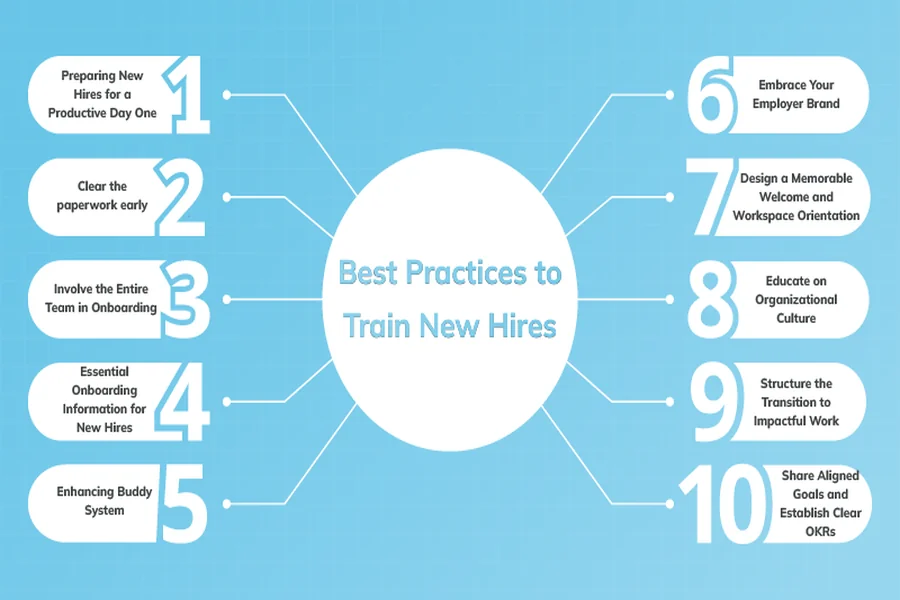
Onboarding new employees is a process that can be refined over time. Organizations should have a structured system to help newcomers find their way during the first few days and weeks. An onboarding learning management system (LMS) provides a framework to do so. An effective digital platform allows a business to standardize its onboarding procedures and ensure everyone receives consistent training. In this article, we will explain how this system benefits both the employer and the new employee.
A Consistent Experience for All
All new hires should receive the same information and training. An onboarding LMS ensures that all new hires have access to the same resources and activities. This approach reduces ambiguity and ensures that everyone has the same knowledge. Organizations can mitigate the risk of leaving out critical information by creating standardized content. Employees appreciate knowing what is expected of them from the very beginning.
Optimizing Time and Resources
Trainers and managers usually spend a lot of time manually onboarding. However, a digital system can automate most of these tasks. New hires can work at their own pace through training modules, video instructions, and interactive quizzes. It allows supervisors to spend their time on core tasks and addressing critical issues.
Improved Engagement and Retention
You can imagine the uncertainty involved for new employees who join a company. This is where an LMS can play an integral role. A good onboarding platform should reduce stress. Offering interactive content with defined milestones can increase engagement. Having the ability to track progress allows employees to know how they are doing and where they need to improve, which in turn increases motivation. Employees who feel supported from day one are more likely to stay with their employer.
Centralized Access to Information
New employees may have questions about company policies, benefits, and procedures. An onboarding system provides answers to these questions in one place. Since everything is consolidated and centralized, employees do not need to check multiple resources for information. Quick access to manuals, guidelines, and demonstration videos saves time. Having this information centralized also minimizes mistakes and confusion.
Easy Progress Tracking
Being able to track how new hires are progressing is very useful for managers. The onboarding system includes data on completed modules and scores on assessments. Supervisors can identify areas where individuals need more assistance. This allows them to develop their skills. Progress tracking features ensure that all new hires stay on track during their onboarding period.
Scalability for Growing Teams
Organizations often expand rapidly. Recruiting a large number of new employees at the same time can strain available resources. An onboarding LMS’s quality and functionality are not affected when large numbers of users use it simultaneously. It is easy to update content when the policy changes or there is a new way of doing things. The system scales with the organization. This flexibility allows for uniform onboarding, even in times of high growth.
Cost Savings Over Time
The conventional way of onboarding requires physical materials, in-person meetings, and training facilities. Moving to a digital platform eliminates these costs. Managers can reuse existing resources and update them when needed. Reminders are automated to ensure employees complete tasks on time with minimum manual follow-up. Those savings can add up over time for any organization.
Enhanced Compliance and Accountability
Businesses need to comply with legal and regulatory obligations. You need to ensure that all employees complete all required training, and an onboarding LMS can help with that. You can use electronic records as evidence of completion, ultimately aiding in compliance. Automated tracking ensures that any steps are not missed or overlooked. This ensures accountability not only for the organization but also for its employees.
Customization for Different Roles
Not all employees need to receive the same training. The system is flexible enough for an organization to offer certain modules based on the employee’s role or department. By sending employees relevant content based on their job responsibilities, new hires can complete training more quickly. It also ensures that no one receives irrelevant information. Personalized learning paths increase retention and job satisfaction.
Conclusion
A structured, digital onboarding system provides several benefits for organizations and new employees, such as consistency, better engagement, and lower costs. An onboarding LMS allows companies to create a supportive environment that equips every new hire with the necessary tools for success.

