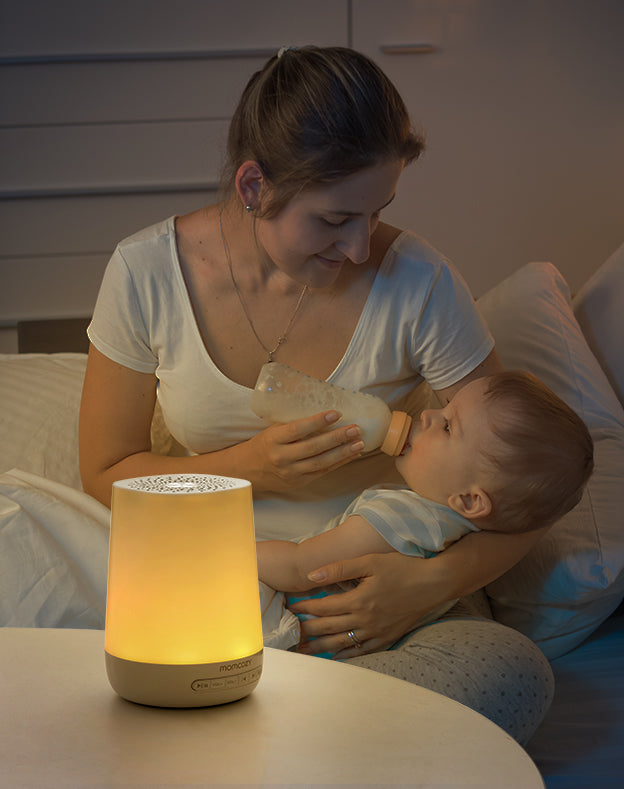
Every new parent knows the struggle: you've finally rocked your baby to sleep, only for a slammed door or passing siren to jolt them awake. Infant sleep disruptions are one of the most universal and exhausting challenges of early parenthood, affecting not just the baby's development but the entire family's well-being. In recent years, white noise has emerged as a promising sleep aid, offering a consistent auditory blanket that helps infants drift off and stay asleep longer. But can a portable baby sound machine with white noise truly ensure better sleep—especially one equipped with modern app control that lets you manage settings from another room? This article explores the science behind white noise, examines why portability and smart features matter for today's on-the-go families, and provides practical guidance on choosing and using a sound machine effectively. Whether you're at home, traveling, or navigating naptime at a relative's house, understanding these tools can transform your approach to infant sleep.
The Science Behind White Noise and Infant Sleep Support
White noise is a consistent sound that contains all frequencies across the audible spectrum at equal intensity, creating a steady, uniform acoustic signal. Think of it as the auditory equivalent of white light—a blend of every frequency our ears can detect, resulting in that familiar rushing or static-like sound. This acoustic profile is remarkably similar to what babies hear in the womb, where the constant whoosh of blood flow, muffled heartbeat, and digestive sounds create a continuous sonic environment at roughly 80-90 decibels.
Research supports the calming effect of white noise on infants. A study published in the Archives of Disease in Childhood found that 80% of newborns exposed to white noise fell asleep within five minutes, compared to only 25% in a control group. The mechanism works on two levels: first, white noise activates the calming reflex in young infants by recreating familiar prenatal auditory conditions, helping to settle an overstimulated nervous system. Second, it functions as an effective sound mask, filling the auditory space so that sudden environmental disruptions—a dog barking, a doorbell, or sibling noise—become far less jarring. A baby sound machine with white noise essentially creates a protective acoustic cocoon, smoothing the transition between sleep cycles where infants are most vulnerable to waking.
Why a Portable Baby Sound Machine with App Control is Essential
A portable sound machine fundamentally changes how families manage sleep across different environments. Unlike stationary nursery units, a compact, clip-on device travels wherever your baby goes—attached to a crib at home, secured to a stroller during errands, tucked into a car seat on road trips, or placed bedside during overnight visits to grandparents. This mobility ensures your baby's sleep environment remains acoustically consistent regardless of location, eliminating the anxiety of unfamiliar settings that often derail nap schedules.
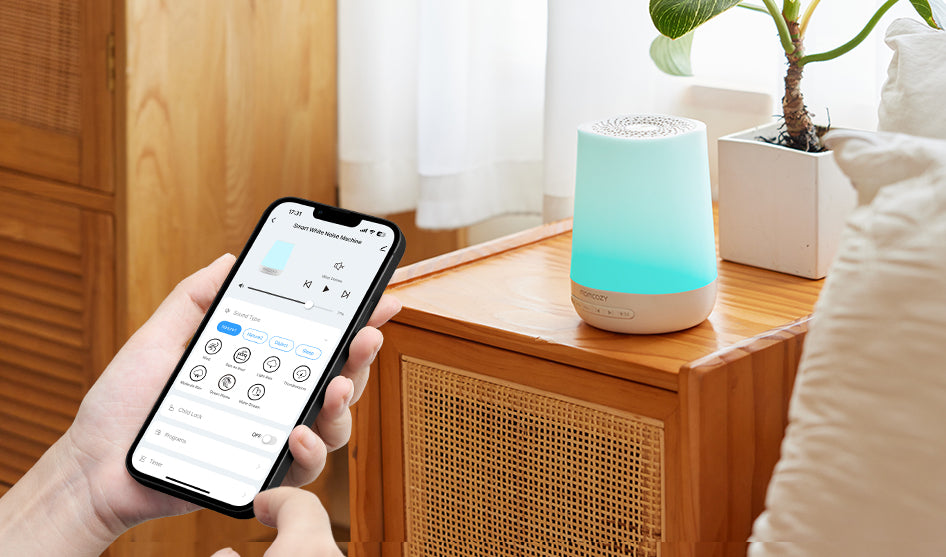
App control elevates this portability into something genuinely practical for modern parenting. Through a smartphone connection, parents can adjust volume from another room without risking a creaky door waking their child. They can customize sound profiles—switching from deep white noise for a noisy afternoon to gentler pink noise for evening wind-down—without physically touching the device. Built-in timers allow the machine to gradually fade after your baby enters deep sleep, conserving battery and avoiding unnecessary continuous exposure. Volume monitoring features alert you if sound levels drift above pediatrician-recommended thresholds, adding a layer of safety that manual machines simply cannot provide. For parents juggling unpredictable schedules, remote operation means maintaining control over their baby's sleep environment even when they can't be physically present in the room.
Step-by-Step Guide to Using a Baby Sound Machine Effectively
Owning a baby sound machine with white noise is one thing—using it correctly to maximize sleep benefits is another. The difference between a device that genuinely helps and one that becomes background clutter often comes down to placement, volume, and consistency. Pediatric sleep experts generally recommend keeping sound levels at or below 50 decibels at your baby's ear level, roughly equivalent to a quiet conversation or soft rainfall. This threshold, supported by the American Academy of Pediatrics, provides enough masking power to buffer against household disruptions without risking hearing damage from prolonged exposure. When selecting sound types, true white noise works well for younger infants who respond strongly to womb-like frequencies, while pink noise—which emphasizes lower frequencies—can feel softer and more natural for older babies transitioning toward independent sleep. As your child grows and develops more robust sleep patterns, consider gradually reducing volume over several weeks or using timer functions to fade the sound after your baby has entered deeper sleep stages, helping them eventually self-soothe without acoustic support.
Setting Up for Optimal Safety and Performance
Position the sound machine at least three feet from your baby's crib or sleep space—never inside the crib itself or attached to the railing where tiny hands can reach it. Place it on a stable surface or use a secure clip attachment designed for strollers and travel cribs. Ensure all charging cords are routed completely out of reach, ideally behind furniture or through cord management clips mounted to the wall. If using a clip-on model, verify the attachment mechanism locks firmly and cannot be dislodged by vibration or movement.
Programming Sounds and Routines via App Control
Use your sound machine's companion app to build automated schedules aligned with your baby's natural sleep windows. Set the machine to activate five minutes before your typical naptime routine begins, creating an auditory cue that signals rest is coming. Program gradual volume reduction over 30-45 minutes once your baby typically reaches deep sleep. Review the app's usage logs weekly to identify patterns—noting which sound profiles correlate with longer sleep stretches helps you refine settings over time without guesswork.
Integrating the Machine into Daily Sleep Rituals
Consistency transforms a sound machine from a gadget into a genuine sleep cue. Turn it on at the same point in your bedtime sequence each night—after the final feeding and diaper change, but before you lay your baby down. This predictable pairing teaches your infant's brain to associate the onset of white noise with the transition to sleep. Use the same sound profile for nighttime and a slightly different one for daytime naps, helping your baby distinguish between longer overnight rest and shorter daytime sleep periods.
Key Features to Look for in a Portable Sound Machine
Choosing the right portable sound machine means looking beyond marketing claims and evaluating the features that genuinely impact your baby's sleep quality and your daily convenience. Battery life tops the priority list for any family that plans to use the device beyond the nursery—a machine that dies mid-nap defeats its purpose entirely. Sound library quality matters more than quantity; a handful of well-recorded, seamlessly looped tracks outperform dozens of choppy audio files that restart with an audible gap every thirty seconds. App functionality should feel intuitive rather than frustrating, with reliable Bluetooth connectivity that doesn't drop when you walk to the kitchen. Durability is non-negotiable for a device that will inevitably be dropped, drooled on, and tossed into diaper bags alongside bottles and wipes. Finally, complementary features like a soft night light or built-in lullaby options can consolidate multiple nursery tools into one compact device, reducing clutter while supporting a multi-sensory sleep routine.
Evaluating Portability and Power Options
A truly portable sound machine should run for at least eight hours on a single charge, covering a full overnight sleep session without interruption. Look for USB-C charging compatibility, which allows you to power up using the same cable as most modern phones and portable chargers. Weight matters when you're clipping the device to a stroller canopy or packing it into an already-stuffed travel bag—anything under four ounces strikes the right balance between substantial build quality and effortless portability. Brands like Momcozy, which specialize in mother and infant products, have developed compact sound machines that meet these portability benchmarks while incorporating app-based controls designed specifically for busy parents.
Assessing Sound Quality and App Integration
High-fidelity sound reproduction ensures that white noise remains smooth and consistent rather than tinny or distorted at higher volumes. The best machines use continuous audio generation or perfectly looped recordings with no detectable restart point, preventing rhythmic disruptions that perceptive babies may notice. The companion app should connect quickly, maintain a stable connection across typical household distances, and offer straightforward controls without requiring you to navigate multiple menus just to adjust volume or switch sound profiles during a critical moment.
Considering Safety and Additional Sleep Aids
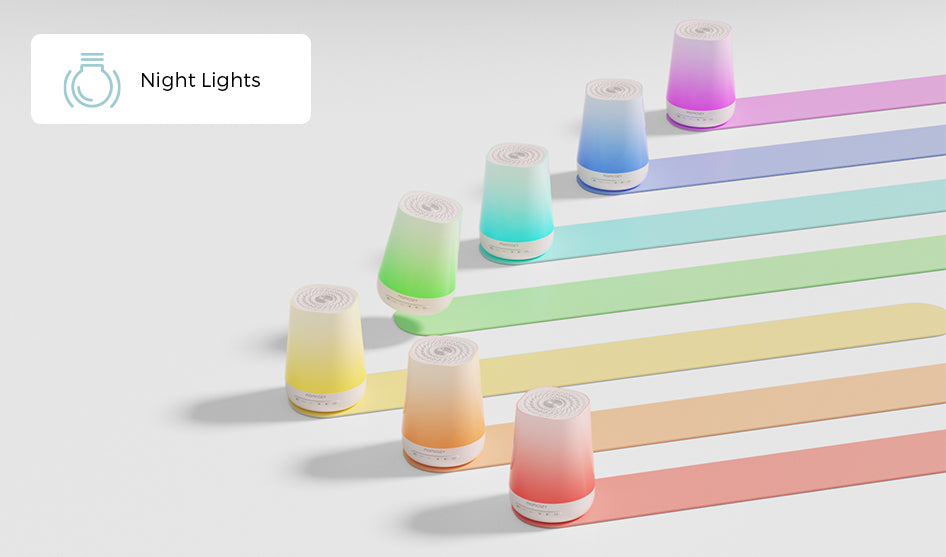
Prioritize machines with child-safe materials, BPA-free construction, and no small detachable parts that pose choking hazards. Safety certifications from recognized testing organizations provide assurance that the device meets electrical and material standards. A warm, dimmable night light integrated into the machine can serve double duty during nighttime feedings, providing just enough visibility without the stimulating blue-spectrum light that disrupts melatonin production in both parent and baby.
Creating Consistent On-the-Go Sleep Routines with a Portable Solution
The biggest challenge for families who refuse to be housebound isn't getting their baby to sleep at home—it's replicating that success everywhere else. A portable sound machine solves this by functioning as an acoustic anchor, a familiar constant that tells your baby's brain "this is sleep time" regardless of whether they're in their nursery, a hotel room, or a park stroller. When you travel, activate the machine during your pre-sleep routine exactly as you would at home. The sound itself becomes the environmental cue, overriding the unfamiliarity of new spaces that typically trigger alertness and resistance to sleep.
For car trips, secure the device near your baby's car seat and start the white noise before departure if the drive coincides with naptime. The combination of motion and consistent sound often produces longer, more restorative naps than either element alone. At daycare or a caregiver's home, send the machine along with brief instructions—most app-controlled devices allow you to pre-program settings so the caregiver simply presses one button without needing to adjust anything. During outdoor outings, the masking properties prove especially valuable, buffering against unpredictable street noise, conversations, and wind that would otherwise fragment light sleep.
The key principle is environmental consistency through sound rather than through physical space. Babies who learn to associate a specific audio profile with sleep become remarkably adaptable travelers, falling asleep in contexts that would otherwise overwhelm them. Start by using the machine in at least two different locations during the first week, then gradually expand to new settings. Within a few weeks, your baby develops a portable sleep association that isn't tied to any single room—giving your family the freedom to maintain routines without sacrificing flexibility or social engagement.
White Noise as a Science-Backed Investment in Your Baby's Sleep
The evidence is clear: white noise genuinely supports infant sleep by recreating the acoustic familiarity of the womb and shielding developing brains from the environmental disruptions that fragment rest. A portable baby sound machine with white noise takes this science and makes it practical for real life—where sleep doesn't only happen in a perfectly quiet nursery but also in car seats, strollers, hotel rooms, and grandparents' guest beds. App control adds a layer of intelligent management that previous generations of parents simply didn't have, enabling remote adjustments, automated schedules, and safety monitoring without disturbing a sleeping child.
However, the tool is only as effective as its implementation. Correct volume levels, thoughtful placement, consistent integration into sleep routines, and gradual adaptation as your baby grows all determine whether a sound machine becomes transformative or merely decorative. When used intentionally, a portable sound machine doesn't just mask noise—it builds a reliable, transferable sleep association that gives your family freedom and flexibility. If disrupted sleep has become your nightly reality, this is one investment in your baby's rest that science, practicality, and countless exhausted-but-grateful parents firmly stand behind.