
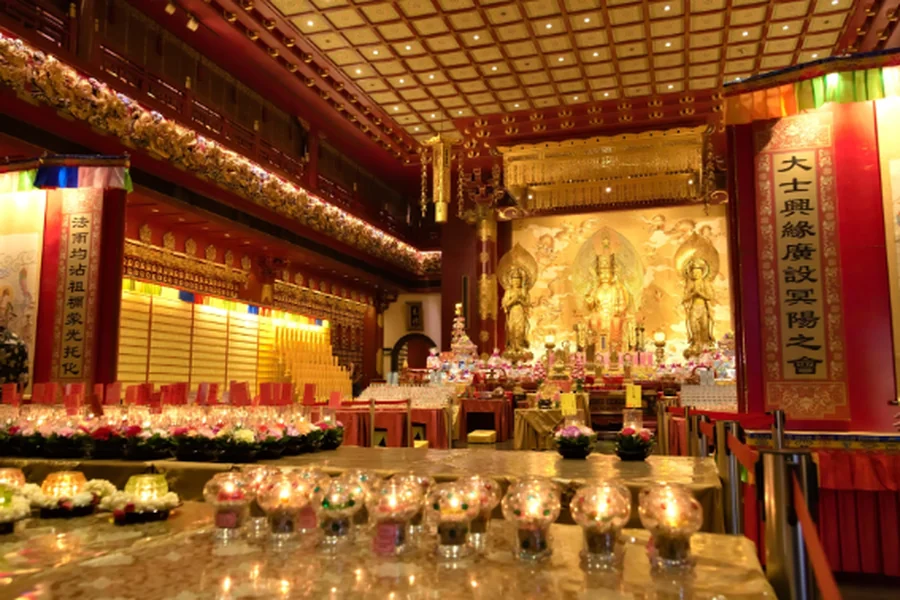
A Buddhist funeral is a spiritual ceremony honoring the deceased, emphasizing impermanence and rebirth. It typically includes rituals, chanting, and offerings to guide the spirit towards a favorable afterlife. Recognizing various funeral traditions fosters respect and appreciation for diverse cultures. Understanding these practices enhances empathy, supports grieving families, and facilitates meaningful connections during times of loss in our global community. Buddhist funeral services in Singapore typically include chanting, rituals to honor the deceased, and offerings. Family members participate actively, reflecting beliefs about rebirth and guiding the departed towards a peaceful transition, with compassionate providers like Endearing Funeral helping families navigate each step with care.
Origin and Beliefs
Buddhism in Singapore traces its roots to immigration during the 19th and early 20th centuries, when Chinese immigrants brought their beliefs. It has since evolved, blending traditional practices with local influences today. Buddhism centers on core beliefs such as the Four Noble Truths, which highlight suffering’s nature and its cessation, alongside the Eightfold Path guiding ethical living and mental development towards enlightenment. Buddhism views death as a transition rather than an end. It teaches the cycle of rebirth, influenced by karma, emphasizing mindfulness and compassion for others in life and preparation for future existences.
Stages in a Buddhist Funeral Service in Singapore
Following a death, ensure the situation is secure, notify medical professionals if needed, contact family and close friends, handle legal documentation like death certificates, and begin organizing funeral or memorial arrangements. Each stage holds distinct importance, contributing uniquely to the overall process. These phases build upon one another, ensuring gradual progression, fostering development, and enabling a deeper understanding of the entire system.
Essential Elements of a Buddhist Funeral Service in Singapore
Buddhist chants and prayers serve as sacred expressions of devotion, offering mindfulness and spiritual connection. These rhythmic recitations promote inner peace, reflection, and a deeper understanding of Buddhist teachings and philosophy. Buddhist monks serve as spiritual guides, promoting meditation and mindfulness. They preserve ancient teachings, offer community support, and cultivate compassion and wisdom, embodying the principles of Buddhism in daily life. Buddhist funeral rites involve rituals to honor the deceased, promote rebirth, and support their journey. These ceremonies often include chanting, offerings, meditation, and community participation to foster peace and remembrance. Buddhist funeral services incorporate rich symbolism, representing life’s transience and the cycle of rebirth. Rituals, offerings, and chanting reflect compassion for the deceased while guiding them on their spiritual journey beyond death.
Key Funeral Items in a Buddhist Funeral
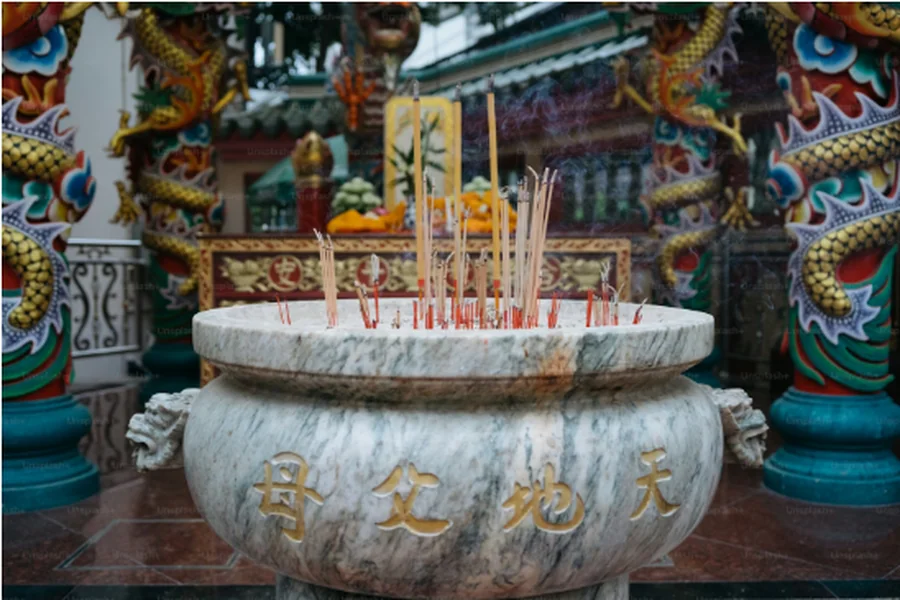
A Buddhist funeral altar is a sacred space adorned with various offerings, such as flowers and incense. It serves to honor the deceased, facilitating spiritual connection and providing comfort to mourners. Incenses and candles create a serene atmosphere, filling spaces with aromatic fragrances. They enhance relaxation, promote meditation, and bring comfort through gentle light and soothing scents that uplift the spirit.
Joss sticks and joss papers are traditional offerings in many Asian cultures. Used during rituals, they symbolize prayers and respect to ancestors, facilitating communication with the spiritual realm for blessings and guidance. Funeral attire consists of somber, respectful clothing, typically in dark colors. Individuals often choose formal outfits like suits or dresses to honor the deceased and show support for grieving families.
Buddhist Funeral Etiquette
A suitable dress code outlines what clothing is acceptable for specific occasions. It fosters professionalism, ensures comfort, and reflects respect for the environment or event while maintaining personal expression within defined guidelines. Customs regulations apply to gifts and donations, often determining their duty-free status based on value and origin. It’s crucial to understand local laws to ensure compliance when sending items internationally. People respond to mourning and grief differently, shaping their attitudes based on personal experiences and cultural beliefs. Some embrace the process openly, while others may retreat or struggle with vulnerability.
Choosing a Buddhist Funeral Package in Singapore
Funeral directors provide essential support to grieving families by managing funeral arrangements, offering compassionate guidance, coordinating logistics, and ensuring the respectful handling of deceased individuals while respecting cultural and personal preferences. When selecting a package, consider factors such as cost-effectiveness, delivery speed, reliability of the service provider, size and weight limits, tracking options, customer reviews, and any additional features or requirements involved. In Singapore, the expenses associated with a Buddhist funeral can vary widely, generally ranging from several thousand to tens of thousands of dollars, depending on the services and rituals chosen by the family.
Conclusion
A Buddhist funeral in Singapore offers families a meaningful way to honor their loved one through rituals rooted in compassion, reflection, and spiritual guidance. Each practice, from chanting to offerings, carries deep cultural and religious significance, creating a space of comfort for those who gather to remember the departed. By understanding these customs, families are better prepared to make thoughtful choices that align with their beliefs and wishes. Through this gentle and respectful approach, the ceremony not only pays tribute to a life lived but also supports the emotional journey of those left behind.

