
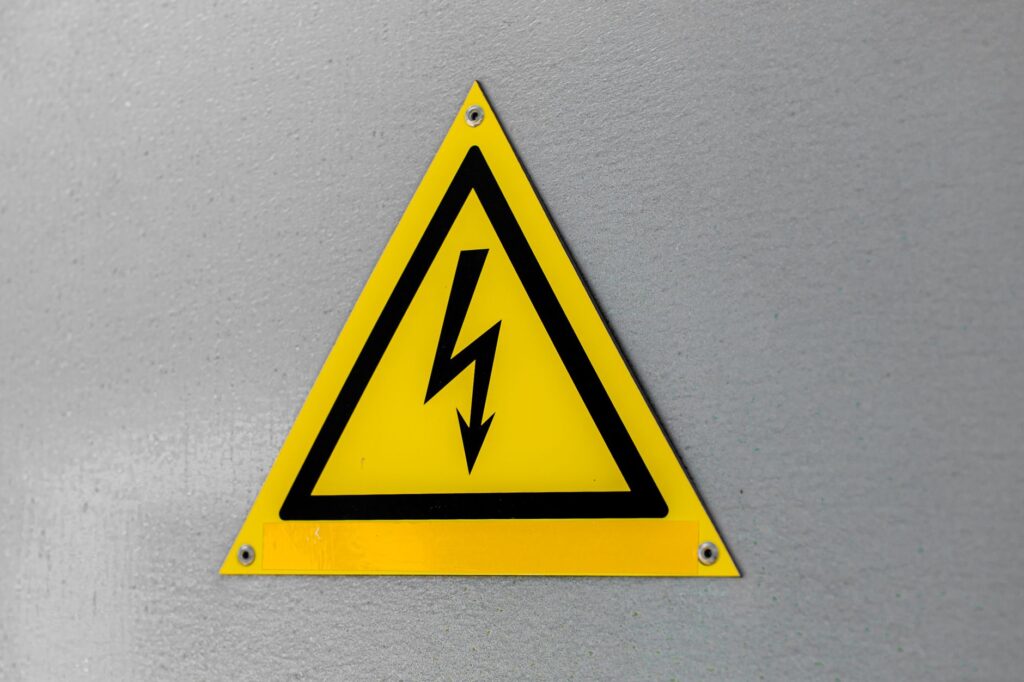
Most facility managers do not monitor electrical code revisions closely, and that is where compliance problems start. Marking rules, placement mandates, and material performance standards all shifted through the 2024 cycle and into 2025. Several code bodies raised expectations for hazard communication on panels, breakers, and junction boxes.
So the question facing property owners, contractors, and compliance teams is straightforward but uncomfortable. Are labels already on equipment still good enough, or have quiet regulatory changes opened gaps nobody has addressed yet?
What Changed in Recent Electrical Code Updates
The NEC runs on a three-year revision clock, and each new edition tends to widen the scope of what inspectors look for. Recent versions expanded marking obligations around arc flash hazards, voltage callouts, and disconnect identification. OSHA tightened its stance too, putting more weight on whether a label stays legible after months of real use rather than just on what it says when first applied.
One of the bigger shifts affects how clearly hazard details must read at the exact spot where someone works on live or recently energized equipment. Labels that passed without issue a few years ago now fall behind on font size minimums, contrast ratios, and pictogram standards. Facilities still relying on older electrical labels stickers printed before these tighter rules took hold, could pick up violations during a routine audit, sometimes without even suspecting their markings had drifted out of compliance.
How Label Materials Factor Into Compliance
Printing the correct text on a label is only part of the job. What that label is made of, the adhesive holding it in place, and the laminate protecting the surface all shape whether it survives actual working conditions. Heat radiating off a transformer, moisture creeping into an outdoor panel, or relentless sun on a rooftop disconnect can turn a perfectly compliant warning into a faded, peeling mess in under a year.
Current codes now point to specific performance thresholds for adhesion and fade resistance. Selecting markers designed for harsh industrial settings helps keep safety information readable throughout the full service interval. The problem is that many facilities only discover their label materials fell short after an inspector notes it in a deficiency report.
Arc Flash and Voltage Marking Expectations
Arc flash labels have drawn closer scrutiny with each recent code cycle. NFPA 70E now expects markings that spell out incident energy values, approach boundaries, and the personal protective equipment category a worker needs before opening an enclosure. Slapping a generic “Danger: High Voltage” sticker on a commercial panel no longer satisfies those obligations in most situations.
Voltage identification rules followed a similar trajectory. Phase color coding, conductor labeling, and system voltage figures all need to appear at every disconnect point throughout a building. Wherever those markers are missing or too worn to read, the result is a compliance gap and a genuine physical hazard for maintenance staff working nearby.
Common Gaps That Lead to Failed Inspections
Certain problems come up again and again during electrical inspections tied to labeling. Panels put in years ago often still carry factory markings printed under an older NEC edition that no longer applies. Breakers replaced during service visits frequently end up with no fresh identification at all. Outdoor enclosures take weather damage season after season, gradually losing the warnings printed on them.
Overlooked Areas Inside Facilities
Transfer switches, sub-panels tucked inside mechanical rooms, and rooftop disconnects are the spots people skip most often during a label check. Foot traffic in those areas tends to be low, so damage and fading build up quietly over long stretches. A credible internal review has to cover every energized enclosure on the property, not just the main distribution boards everyone walks past daily.
Steps to Align Existing Systems With Current Codes
Getting back into alignment starts with a full walkthrough. Every panel, disconnect, junction box, and transformer enclosure needs a check against standing NEC and OSHA rules. Writing down each location, what markings it currently carries, and where shortfalls exist gives the team a clear punch list to work from.
From there, replacing damaged or outdated markers with products matched to each environment is the priority. Industrial-grade options built for high heat, chemical contact, or outdoor exposure last significantly longer between replacement cycles. Keeping a dated record of every swap also strengthens the paper trail ahead of the next scheduled inspection.
Why Staying Ahead of Code Cycles Matters
Fixing labels only after receiving a citation costs more than most people anticipate. OSHA penalties for hazard communication violations escalate fast when repeat findings show up on the record. Beyond fines, illegible or absent electrical markings put workers in real danger during routine service and emergency power shutdowns.
Building periodic label reviews into the maintenance calendar, rather than reacting after the fact, reduces both liability and the chance of a serious incident. More facility teams are treating this as an annual task now instead of something handled once and forgotten.
Conclusion
A label that met every requirement five years ago may not hold up under the standards inspectors apply today. NEC and OSHA revisions have pushed expectations higher for content accuracy, material durability, and correct placement on every piece of equipment. Running a careful audit and swapping out substandard markings with industrial-rated replacements is still the most dependable path to sustained compliance. Treating label maintenance as an ongoing responsibility, not a finished task, is what separates facilities that pass inspections confidently from those scrambling to catch up after a citation lands.

