
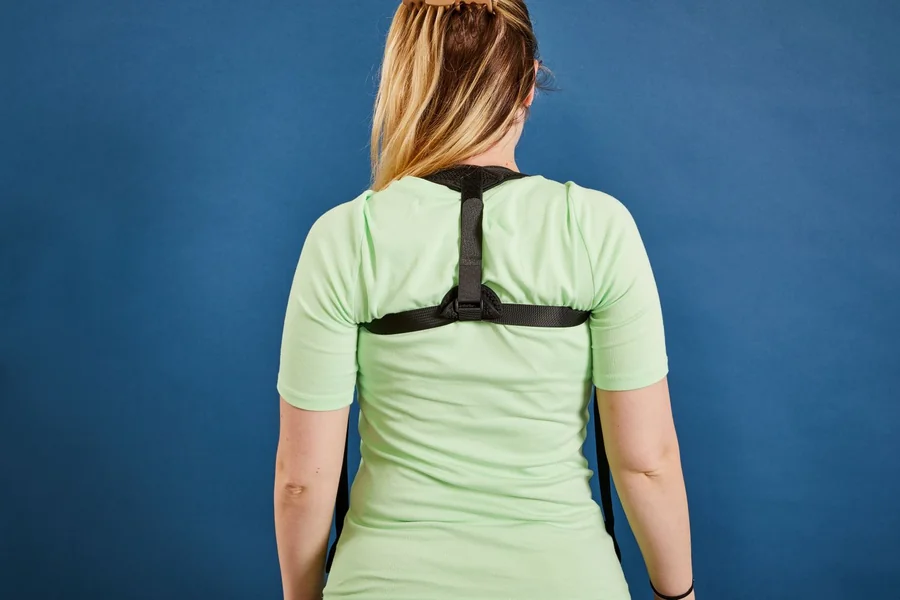
You’re not the only one who has ever slouched over your laptop or scrolled through your phone for hours. Bad posture has become one of the most common problems with how people live today. That’s why things like the Posture Corrector belt, back brace or back support have been getting a lot of attention lately.
But the real question is, does a posture corrector really work, or is it just another fad?
Let’s break it down in a straightforward, honest, and useful way so you can decide if it’s worth adding to your daily routine.
What is a posture corrector?
A posture corrector is something you can wear that gently pulls your shoulders back and straightens your spine. It usually comes as a lightweight back brace or a Posture Corrector belt that you can wear under or over your clothes.
Think of it as a way to remind your body.
Instead of forcing your posture to stay the same, it helps your muscles get into the right position so they can slowly get used to it.
Do posture correctors really work?
Yes, but only if you use it the right way.
Using a Posture Corrector as a training tool can be very helpful, but it shouldn’t be a permanent fix.
This is the purpose it really serves:
- Makes you conscious of how to stand
- Gently straightens out your shoulders and upper back
- Lessens the strain that comes from slouching
- Helps your spine when you sit for a long time
It’s important to know, though, that a back brace or back support won’t magically fix your posture overnight. It works best when you also change your habits and do some simple strength-building exercises.
What Experts Say About Posture Correctors
Most physiotherapists and posture experts agree on one thing: A posture corrector can help, but it shouldn’t take the place of muscle strength.
Muscles in your back, shoulders, and core control your posture. If those muscles are weak, your body will naturally go back to bad posture when you stop wearing the support.
That’s why experts recommend using a Posture Corrector belt as a temporary aid rather than a long-term solution.
Why You Should Use a Posture Corrector
A Posture Corrector or back support can help in a number of ways if you use it correctly.
- Reduces pain in the neck and back
When you slouch, your spine has to work harder. A back brace helps relieve that pressure by keeping your body in line.
- Makes you more aware of your posture
A lot of people don’t even know they’re slouching. A Posture Corrector teaches your body how to maintain good posture.
- Increases Self-Esteem
Standing or sitting up straight naturally improves your body language, which makes you look more awake and confident.
- Helps when you have to sit for a long time
A Posture Corrector belt can help support your back if you work at a desk or study for a long time.
When a Posture Corrector Works the Best
Bad habits, rather than health issues, cause bad posture, making a posture corrector most effective.
Best for:
- People who work in offices
- Students, gamers and drivers
- People who sit for a long time
A back support device can help with posture problems that are mild to moderate over time.
When It Might Not Be Enough
Let’s be honest: a posture corrector won’t fix everything.
If you have:
- Serious problems with the spine
- Long-term pain
- Problems with the structure
Then a simple back brace might not be enough by itself. In these situations, it’s always advisable to get medical professionals’ views.
Things People Often Do Wrong
If you don’t use it correctly, even the best Posture Corrector won’t work. Here are some mistakes that people often make:
Putting it on all day
This is one of the worst things you can do. Too much use of a back support can make your muscles weaker.
Putting it on too tightly
A Posture Corrector belt should support you, not make you feel restricted. It can hurt and make it difficult to move if it’s too tight.
Not Doing Exercise
A back brace can help with alignment, but you still need to work on your muscles to get long-term results.
How to Properly Use a Posture Corrector
To get the most out of your Posture Corrector, just follow these simple steps:
Begin Slowly
Put it on for 20 to 30 minutes every day and slowly add more time.
Pay attention to your awareness
Take note of how your body feels when you wear it. Even after you take it off, try to keep the same posture.
Incorporate Exercises
Shoulder rolls, planks, and back stretches are all simple exercises that can make a big difference in your results.
Stay the Same
Duration is less important than consistency. Using it daily for a short time is better than using it infrequently for a long time.
Back Support, Back Brace, and Posture Corrector
People often use these words to mean the same thing, but they are not exactly the same.
- Posture Corrector: Helps straighten out the shoulders and upper back
- Back brace: Gives more rigid support and is often used for recovery
- Back support: Broad term that covers things like cushions, belts, and braces.
A lightweight Posture Corrector belt is usually the best choice for improving posture every day.
Are There Any Problems?
A posture corrector is usually safe, but there are a few things you should know:
- Too much use can make muscles dependent.
- Poorly made items can cause discomfort.
- The wrong size can make things less effective.
That’s why it’s so important to pick the right fit and use it correctly.
How to Improve Your Posture (With or Without a Corrector)
A Posture Corrector works best when you make small changes to your daily life.
- Keep your screen at eye level.
- Don’t bend your neck down for long periods of time.
Sit right
Keep your back straight and your feet flat on the ground.
Take a break
Every 30 to 60 minutes, get up and stretch.
Make your core stronger
Better posture comes naturally with strong muscles.
So, should you buy a posture corrector?
If you have mild posture problems or pain from sitting for long periods of time, then yes, a Posture Corrector can be a good buy.
But keep this in mind:
It’s a tool, not a permanent solution.
The best way to get better is to use a Posture Corrector belt or back support along with better habits and exercises that strengthen your muscles.
Last Thoughts
A Posture Corrector really works, but only if you use it the right way and all the time.
It helps you:
- Raise awareness
- Less stress
- Get your body to work better together
But the device alone won’t help you improve your posture over time. Your daily habits matter too.
If you’re thinking of using a back brace or posture corrector, go ahead, but be smart about it.
The goal is not to constantly rely on assistance, but rather to train your body to be self-sufficient.
