
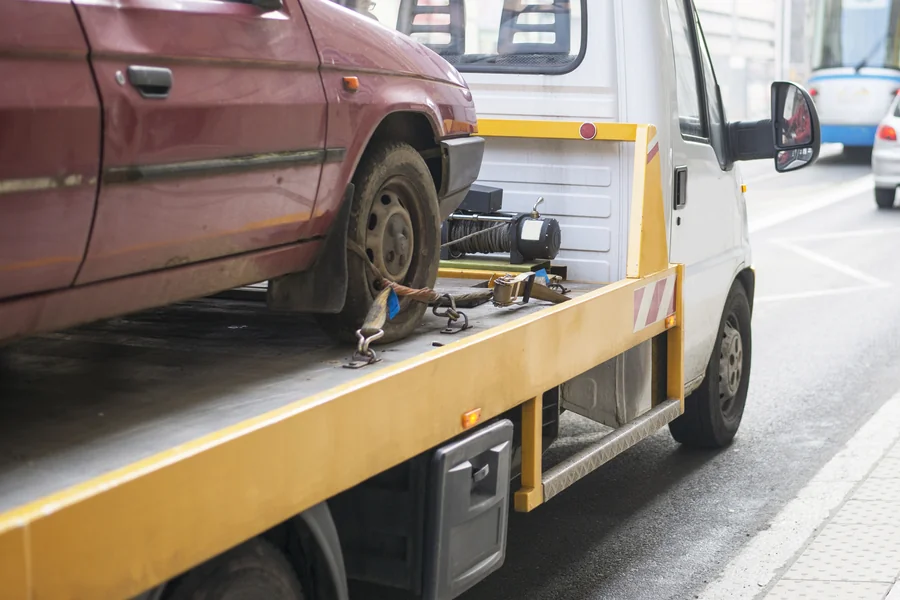
Unused cars can become more than an eyesore. In Melbourne homes, a wrecked or ageing vehicle may leak oil, impede safe movement, harbour pests, or reduce usable parking space. Many owners wait because towing costs and transfer steps seem unclear. Free car removal gives households a structured way to clear that risk. With basic preparation, the process can protect property, support recycling, and reduce avoidable stress.
What Free Removal Means
A vehicle that cannot be driven still needs orderly handling, because leaking fluids, loose panels, and poor storage can affect soil, drains, and nearby foot traffic. For many households, free car removal in Melbourne offers a practical route for assessment, towing, parts recovery, and lawful disposal without adding a separate transport bill to an already inconvenient household problem.
Which Vehicles Qualify
Most services accept cars in poor mechanical or structural condition. That can include written-off sedans, vans, utes, four-wheel drives, rusted bodies, and vehicles with expired registration. Missing keys, flat tyres, or removed parts may still be manageable. Honest details matter. Clear photos, engine information, and access notes help the operator judge transport needs, metal value, and any reusable components.
Why Homeowners Use It
A stationary car can create hidden hazards. Brake fluid, coolant, battery acid, and fuel residue may affect concrete, garden beds, or stormwater areas. Children and visitors can also trip over sharp panels or unstable parts. Removal often becomes urgent before a move, renovation, rental inspection, or estate clean-up. Clearing the vehicle restores space and lowers risks around the property.
How The Process Works
Most bookings start with a short assessment. The owner shares the make, model, year, location, registration status, and current condition. Afterwards, the provider provides a quote and confirms the collection timing. On arrival, the driver checks ownership, reviews access, loads the vehicle, and completes any agreed payment. A straightforward pickup usually finishes during one scheduled visit.
Documents To Prepare
Proof of ownership helps prevent disputes. A driver’s licence, registration certificate, purchase receipt, or transfer record may be requested. If someone else handles the handover, written authority is useful. Before pickup, owners should check the boot, glovebox, centre console, and seat pockets. Plates may need to be returned through the proper channel. Sale records should be kept for later reference.
What Affects Car Value
Free towing does not always mean the car has no worth. Price can depend on weight, age, brand, model demand, and current scrap rates. Complete vehicles often attract stronger offers because engines, gearboxes, panels, lights, and interior parts may be reused. Popular models can hold extra value for parts. Accurate descriptions reduce the chance of disagreement during collection.
Access And Timing
Safe loading depends on clear access. Narrow lanes, steep driveways, low branches, soft ground, locked gates, and basement parking can slow removal. These details should be mentioned before the booking is confirmed. A vehicle blocked by another car may need extra planning. When the site is prepared, the driver can protect fences, nearby vehicles, paving, and garden edges.
Environmental Benefits
Responsible disposal reduces environmental harm. Cars contain oils, fuel, coolant, batteries, tyres, plastics, glass, and refrigerant gases that need controlled handling. Recyclers drain fluids, separate metals, recover usable parts, and send remaining material through approved streams. This reduces landfill pressure and lowers demand for newly mined metals. For local households, the benefit is both practical and environmental.
Choosing A Reliable Provider
A reliable provider explains the quote, pickup timing, identity checks, and payment method before arrival. Reviews, service area, business details, and response quality are worth checking. Owners should be cautious if fees are unclear or answers keep changing. Good communication protects both sides. Written confirmation of the agreed amount and collection address can prevent confusion on the day.
Common Mistakes To Avoid
Problems often come from missing preparation. Some owners forget toll tags, tools, child seats, documents, or personal items. Others leave plates attached when a return is required. Incomplete condition details can also change the final offer. Photos from the front, rear, sides, cabin, and engine bay are helpful. The quote should include towing, loading, and disposal before acceptance.
Conclusion
Free car removal can help Melbourne homeowners dispose of an unwanted vehicle safely and in an organised, environmentally sound way. The strongest results come from accurate vehicle details, proof of ownership, clear access, and written confirmation of costs. A little preparation reduces delays and protects the property during loading. For many households, removing an old car is a simple step that improves safety, space, and peace of mind.

