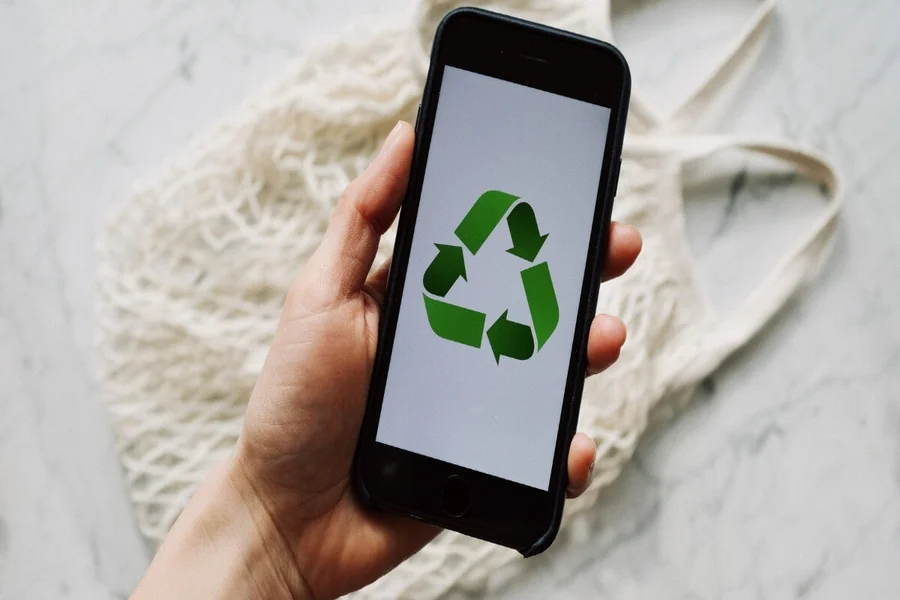
We live in a world where convenience usually comes with an environmental cost. You order a small item online, and it arrives in a box three times its size, stuffed with plastic wrap. But sometimes, upgrading to a more convenient digital habit actually helps the planet. If you rely on a pay-as-you-go cellular plan to stay connected, you might be used to driving down to the local convenience store to buy a physical refill card. What you might not realize is how much unnecessary waste that simple errand creates over time. By choosing to top up your prepaid phone minutes online instead of buying physical cards at a retail counter, you can drastically shrink your personal waste footprint. It seems like a tiny change, but when you multiply it by millions of cellular users, the environmental benefits become undeniable.
The Problem with Plastic Cards
Think about the last time you bought a physical top-up card at the grocery store. It’s essentially a piece of rigid plastic, similar to a credit card. You take it home, scratch off the silver foil on the back with a coin to reveal the PIN, enter the code into your phone, and then toss the card straight into the trash can. That piece of plastic served a purpose for exactly five minutes, but it will sit in a landfill for hundreds of years.
These cards are rarely made from recyclable materials. Even if you toss them in your blue recycling bin, municipal waste centers often reject them because of the metallic scratch-off coating and the specific type of mixed plastics used in their production. By shifting your habit to the internet, you completely eliminate the need for this single-use plastic. The transaction happens entirely on your screen, delivering the same service without leaving a permanent piece of trash behind.
Packaging and the Paper Trail
The plastic card itself is only part of the problem. To make those cards visible and appealing in a retail setting, they’re usually glued to a larger piece of glossy cardboard. Sometimes, they’re even wrapped in a secondary layer of thin cellophane. All of this packaging exists solely to catch your eye on a display rack, and it all goes directly into the garbage the moment you walk out of the store.
Then, there’s the receipt. When you buy minutes in person, the cashier hands you a long paper receipt. Often, the actual activation code prints directly on this receipt instead of a plastic card. While this might seem slightly better than plastic, receipt paper is coated in chemicals to make the thermal printing work. Because of this chemical coating, you can’t actually recycle thermal receipts. They go straight to the landfill. Refilling online replaces all of this physical clutter with a simple, paperless email confirmation.
Cutting Down on Transportation Emissions
The environmental impact of buying physical minutes extends far beyond the trash can. You also have to consider the logistics required to get that little plastic card into your hands. First, the cards are manufactured in a factory, packaged into boxes, loaded onto pallets, and shipped via large diesel trucks to regional distribution centers. From there, more trucks burn fossil fuels delivering them to thousands of individual corner stores and supermarkets across the country.
Your own travel adds to this footprint. If you’re hopping in your car and driving two miles down the road just to buy a phone card, you’re burning gas and emitting exhaust for an errand you could have completed from your living room couch. When you purchase your minutes digitally, the entire physical supply chain disappears. No delivery trucks, no warehouse storage, and no extra trips to the gas station. Data travels through fiber optic cables, leaving a carbon footprint that’s just a fraction of the size of physical retail logistics.
A Better Experience for You
Going green often requires a bit of a sacrifice. You might have to pay more for eco-friendly products or spend extra time sorting your recycling every week. Managing your phone plan digitally is one of those rare instances where doing the right thing for the environment is also the best option for your own schedule.
When you transition to digital top-ups, you never have to worry about the store being closed or the cashier struggling to activate the register. You don’t have to deal with the frustration of scratching the card too hard and ruining the PIN code. The digital process takes seconds. You simply log in, select your carrier, pick your amount, and the minutes appear on your device instantly. You can do it at midnight, during your lunch break, or while waiting for a bus.
Small Changes Make a Difference
We’re constantly looking for ways to live a little cleaner and reduce the amount of trash we generate. It’s easy to overlook the small, routine habits like how we pay for our phone service, but when you add up the plastic cards, the chemical-coated receipts, the cardboard packaging, and the fuel burned to transport all of it, the environmental cost of retail top-ups is surprisingly high. Moving this errand to your computer or smartphone is a seamless transition. It saves you a trip to the store, keeps unnecessary waste out of our soil, and proves that sometimes, the most eco-friendly choice is also the easiest one to make.