
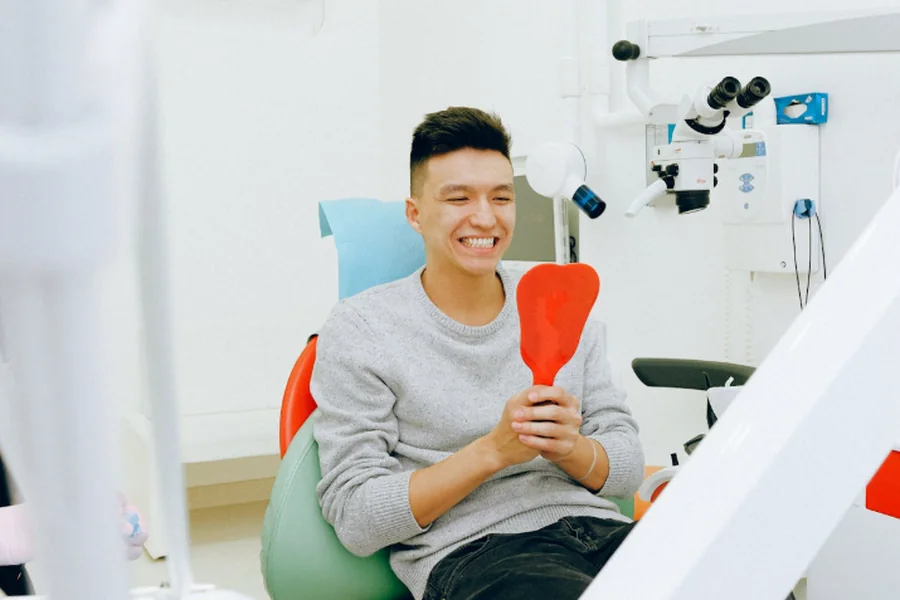
A single smile can change the trajectory of a job interview, first date, or business meeting—yet 57% of Americans hide their smile in photos due to dental imperfections, according to the American Academy of Cosmetic Dentistry’s 2024 patient survey. The psychological impact extends far beyond vanity: research from the Journal of Clinical Medicine shows that individuals with dental concerns experience 40% higher rates of social anxiety and report significantly lower confidence in professional settings.
What’s driving this shift toward smile transformation isn’t just aesthetics—it’s the recognition that oral health directly impacts quality of life, career advancement, and personal relationships. Modern dentistry has evolved beyond simply fixing problems to creating customized smile makeover treatments that address individual facial structure, lifestyle needs, and personal goals.
The stakes are higher than ever in our image-conscious, social media-driven culture where first impressions form within milliseconds. Whether you’re presenting to executives, dating, or simply wanting to feel confident in daily interactions, your smile communicates before you even speak. Here’s what’s happening in the world of personalized dental aesthetics—and why it’s becoming less of a luxury and more of a life investment.
What Is a Customized Smile Makeover and Why It Matters
A customized smile makeover represents the intersection of dental science, artistic design, and individual psychology. Unlike traditional cosmetic dentistry that might focus on fixing a single issue—whitening teeth or replacing a crown—a customized approach treats your smile as an integrated system that must harmonize with your facial features, personality, and lifestyle.
The customization begins with understanding that no two faces are identical. Your jaw structure, lip line, facial symmetry, skin tone, and even your speaking patterns all influence how treatments should be designed. A veneer that looks stunning on your friend might appear unnatural on you because their facial proportions and coloring create different aesthetic requirements.
What sets this apart from standard cosmetic dentistry is the comprehensive assessment process. Instead of addressing isolated problems, practitioners examine your entire oral ecosystem: how your teeth align with your gumline, how your smile appears in motion, how it complements your facial features, and how it aligns with your personal and professional image goals.
This matters because dental work is permanent and visible. A poorly planned cosmetic procedure can look obvious, feel uncomfortable, or fail to achieve the confidence boost you’re seeking. Research from the American Academy of Cosmetic Dentistry indicates that patients who undergo comprehensive planning report 78% higher satisfaction rates compared to those who receive single-treatment approaches.
The psychological component is equally crucial. Your smile affects how others perceive you, but more importantly, it influences how you perceive yourself. When dental imperfections cause you to cover your mouth, avoid photos, or speak less confidently, you’re not just dealing with a cosmetic issue—you’re managing a barrier to full self-expression.
How Customized Smile Makeover Procedures Work
The journey toward your new smile begins long before any dental work starts, with a process that’s part science, part artistry, and entirely focused on your unique situation.
Key Steps in the Customized Smile Makeover Process
Comprehensive assessment forms the foundation of any successful makeover. This isn’t a quick consultation—it’s a detailed analysis that typically takes 60-90 minutes. Your dentist examines not just your teeth, but your bite pattern, jaw alignment, facial proportions, and even your speaking and smiling habits. They’ll photograph you from multiple angles, often using specialized lighting to understand how your smile appears in different conditions. Anyway, Finding the right cosmetic dentist in London takes a bit of research, and MaryleboneSmileClinic in London is a great resource to help you along the way.
Digital planning transforms these assessments into a visual roadmap. Using your photographs and impressions, practitioners create digital mockups showing how different treatments will affect your appearance. This technology lets you see potential outcomes before committing to procedures, ensuring your expectations align with realistic results.
Treatment sequencing determines the order of procedures. Some makeovers require orthodontic work before cosmetic treatments, while others might begin with gum contouring to create the proper foundation for veneers or crowns. The sequence depends on your starting point and end goals, but proper planning prevents the need for redoing work later.
Collaborative refinement involves multiple appointments where temporary restorations or mockups let you experience your new smile before finalizing treatments. This testing phase is crucial—it reveals how the new smile feels when speaking, eating, and expressing emotions.
Dental Technologies Enabling Customization
Digital imaging systems capture precise measurements and create 3D models of your mouth, allowing practitioners to design treatments with mathematical precision. These systems can simulate how your new smile will look from different angles and under various lighting conditions.
CAD/CAM technology translates digital designs into physical restorations. Computer-aided design and manufacturing ensures that veneers, crowns, and other components fit precisely and match your desired aesthetic exactly. This technology has reduced treatment timelines from weeks to days in many cases.
3D printing enables rapid prototyping of temporary restorations and surgical guides. This technology allows you to test-drive your new smile and make adjustments before permanent work begins. It’s particularly valuable for complex cases involving multiple procedures.
Intraoral scanners capture detailed images of your mouth without the discomfort of traditional impressions. These digital impressions are more accurate and comfortable, while providing immediate feedback on treatment planning.
Types and Treatment Options in Customized Smile Makeovers
The beauty of customization lies in combining multiple treatment modalities to achieve results that no single procedure could deliver. Your specific combination depends on your starting point, aesthetic goals, budget, and timeline preferences.
Porcelain veneers remain the gold standard for dramatic aesthetic transformation. These thin shells cover the front surface of teeth, correcting color, shape, size, and minor alignment issues simultaneously. Modern veneers are virtually indistinguishable from natural teeth and can last 15-20 years with proper care. They’re ideal for addressing multiple cosmetic concerns at once.
Dental crowns become necessary when teeth have significant structural damage or previous large fillings. Unlike veneers that cover only the front surface, crowns encapsulate the entire tooth, providing both aesthetic improvement and structural reinforcement. They’re often used in combination with veneers to create seamless results.
Cosmetic bonding offers a conservative approach for minor imperfections. Tooth-colored resin can repair chips, close small gaps, and improve tooth shape. While less durable than veneers, bonding is reversible and can often be completed in a single visit.
Dental implants address missing teeth while maintaining facial support and jawbone health. Modern implant crowns are indistinguishable from natural teeth and integrate seamlessly with other cosmetic treatments. They’re crucial for comprehensive makeovers involving tooth replacement.
Gum contouring reshapes the gum line to create better proportions between teeth and gums. Many people have perfectly healthy teeth that appear short or uneven due to excess gum tissue. Contouring can dramatically improve smile aesthetics by revealing more tooth structure.
Professional whitening often precedes other treatments to establish the baseline shade for matching other restorations. However, it’s important to note that existing crowns and veneers won’t whiten, so color planning must consider all components of your smile.
Orthodontic treatment sometimes precedes cosmetic work to create the ideal foundation. Clear aligner systems like Invisalign can correct alignment issues less invasively than traditional braces, setting the stage for optimal cosmetic results.
The artistry lies in combining these treatments strategically. A typical comprehensive makeover might involve whitening to establish color goals, minor orthodontics to improve alignment, gum contouring to perfect proportions, and veneers or crowns to achieve the final aesthetic vision.
Customized Smile Makeover Compared to Standard Cosmetic Dentistry
Understanding the distinction between customized makeovers and standard cosmetic treatments helps explain why outcomes and patient satisfaction rates differ significantly between approaches.
Standard cosmetic dentistry typically addresses specific problems in isolation. You might get teeth whitening to address discoloration, or a crown to fix a damaged tooth. These treatments solve individual issues but don’t necessarily create harmony across your entire smile. The approach is reactive—fixing problems as they arise rather than creating a comprehensive aesthetic vision.
Customized smile makeovers take a holistic approach, treating your smile as an integrated aesthetic system. Every treatment decision considers how it affects the overall result and how it harmonizes with your facial features and personal goals. This proactive approach often prevents future problems and delivers more dramatic, natural-looking results.
The planning process illustrates this difference clearly. Standard treatments might involve a brief consultation followed by immediate treatment. Customized makeovers invest heavily in assessment, digital planning, and often create temporary mockups to ensure optimal results before permanent work begins.
Longevity and maintenance also differ significantly. Because customized approaches consider your bite pattern, facial structure, and lifestyle habits, treatments tend to last longer and require fewer adjustments. Standard treatments that don’t account for these factors may experience premature wear or aesthetic deterioration.
Cost considerations reveal another distinction. While customized makeovers typically require higher initial investment, the comprehensive approach often proves more economical long-term. Patients who receive piecemeal treatments frequently return for additional work to achieve results that could have been accomplished more efficiently through comprehensive planning.
The psychological outcomes differ as well. Research from the Journal of Prosthetic Dentistry shows that patients who undergo comprehensive planning report significantly higher confidence levels and satisfaction with their appearance compared to those receiving individual treatments, even when the technical quality of work is comparable.
Candidate Criteria and Patient Considerations for Customized Smile Makeovers
Not everyone is an ideal candidate for extensive cosmetic dental work, and honest assessment of suitability prevents disappointment and complications down the road.
Oral health status forms the foundation of candidacy. Active gum disease, untreated decay, or significant bite problems must be addressed before cosmetic treatments begin. Attempting cosmetic work on an unhealthy foundation typically leads to poor outcomes and potential complications. Many patients require several months of preparatory treatment before cosmetic procedures can begin.
Realistic expectations separate successful outcomes from disappointing ones. While modern dentistry can achieve remarkable transformations, it cannot completely change your facial structure or create a smile that’s incompatible with your features. Patients who understand the possibilities and limitations of treatment report higher satisfaction rates.
Lifestyle factors significantly influence treatment recommendations. Heavy coffee drinkers, smokers, or people who grind their teeth require different approaches than those with gentler habits. Athletic individuals might need special considerations for mouthguard compatibility. Night shift workers who consume frequent snacks may need additional protective measures.
Psychological readiness often gets overlooked but proves crucial for successful outcomes. Patients dealing with significant anxiety, unrealistic expectations, or using dental work to solve relationship or career problems may need counseling support alongside dental treatment. The most successful patients view their makeover as enhancing their existing confidence rather than creating it from scratch.
Financial planning requires careful consideration since comprehensive makeovers represent significant investments. Many practices offer financing options, but patients should have realistic timelines for completing treatment and understand that attempting to rush procedures to reduce costs often compromises results.
Time commitment varies significantly based on treatment complexity. Simple makeovers might require 2-3 appointments over several weeks, while comprehensive cases involving orthodontics or extensive reconstruction can span 6-12 months. Patients with demanding schedules need realistic planning to ensure they can complete treatment properly.
Age considerations matter differently than many people assume. While there’s no upper age limit for cosmetic dentistry, older patients may need additional preparatory work or different treatment approaches due to age-related changes in bone density, gum health, or healing capacity.
Psychological Benefits and Long-Term Outcomes of Customized Smile Makeovers
The most profound changes from smile makeovers often occur in the psychological realm, with ripple effects that extend far beyond aesthetics into career advancement, social relationships, and overall life satisfaction.
Confidence transformation typically begins even before treatment completion. Patients often report feeling more optimistic and self-assured simply from seeing their digital treatment preview and understanding that change is coming. This anticipatory effect demonstrates how much dental appearance concerns had been affecting their daily mindset.
Social interaction changes emerge gradually as patients stop hiding their smiles. Research from the American Academy of Cosmetic Dentistry tracked patients for two years post-treatment and found that 89% reported increased willingness to speak in public, 76% felt more comfortable in social situations, and 68% actively sought more social engagement opportunities.
Professional impact can be particularly dramatic. The same research revealed that 58% of patients reported positive changes in their work environment within six months of completing treatment. This might manifest as increased willingness to present to groups, greater assertiveness in meetings, or simply feeling more professional in client-facing situations.
Relationship effects often surprise patients with their depth. Partners frequently report that the patient seems more relaxed and spontaneous. Family members notice increased laughter and more natural expressions. Dating becomes less stressful when you’re not worried about hiding your smile.
Long-term oral health often improves because patients become more invested in maintaining their new smile. Brushing, flossing, and regular dental visits increase significantly post-treatment. This improved care creates a positive cycle where the investment in cosmetic work motivates better overall health habits.
Maintenance considerations are crucial for sustaining both aesthetic and psychological benefits. Most cosmetic dental work requires specific care routines and regular professional maintenance. Patients who understand and commit to these requirements maintain their results longer and report sustained confidence benefits.
The research consistently shows that psychological benefits tend to compound over time rather than fade. Unlike some cosmetic procedures where novelty wears off, dental improvements become integrated into daily life and self-image, creating lasting positive changes in how people interact with the world.
Future Developments and Expert Insights on Customized Smile Makeovers
The field of cosmetic dentistry continues evolving rapidly, driven by technological advances, changing patient expectations, and deeper understanding of the psychology of aesthetic improvement.
Artificial intelligence integration is revolutionizing treatment planning by analyzing thousands of facial proportions and smile characteristics to suggest optimal treatment approaches. AI systems can now predict how different treatments will age and interact with facial changes over time, enabling more sustainable long-term planning.
Minimally invasive techniques are becoming increasingly sophisticated. New bonding materials and ultra-thin veneers allow dramatic transformations with minimal tooth preparation. Some procedures that previously required removing significant tooth structure can now be accomplished while preserving most of the natural tooth.
Material innovations focus on creating restorations that more closely mimic natural tooth behavior. Next-generation ceramics flex and wear more like natural enamel, potentially extending the lifespan of cosmetic work while maintaining more natural aesthetics.
Personalized maintenance protocols using genetic testing and saliva analysis help predict individual risk factors for staining, decay, and gum disease. This information allows practitioners to create customized care plans that protect cosmetic investments more effectively.
Industry leaders emphasize that the future of smile makeovers lies not just in better technology, but in more sophisticated understanding of individual patient psychology and lifestyle needs. Dr. Sarah Chen, past president of the American Academy of Cosmetic Dentistry, notes that “the most successful outcomes come from treating each patient as a unique individual rather than applying standardized approaches.”
Tele-dentistry integration is expanding access to specialized cosmetic consultation, allowing patients to receive expert assessment and planning regardless of geographic location. This technology is particularly valuable for complex cases that benefit from multiple specialist input.
The emerging consensus among experts suggests that customized smile makeovers will become increasingly accessible and precise, while the fundamental principle of treating each patient as an individual remains paramount. As technology advances, the art of understanding what makes each person feel confident and attractive becomes even more important to successful outcomes.
The transformation possible through customized smile makeovers extends far beyond the dental chair. For many patients, it represents a turning point toward greater self-confidence, improved relationships, and enhanced quality of life. As techniques continue advancing and becoming more accessible, the opportunity to achieve your ideal smile—and the life changes that accompany it—has never been more achievable.
