
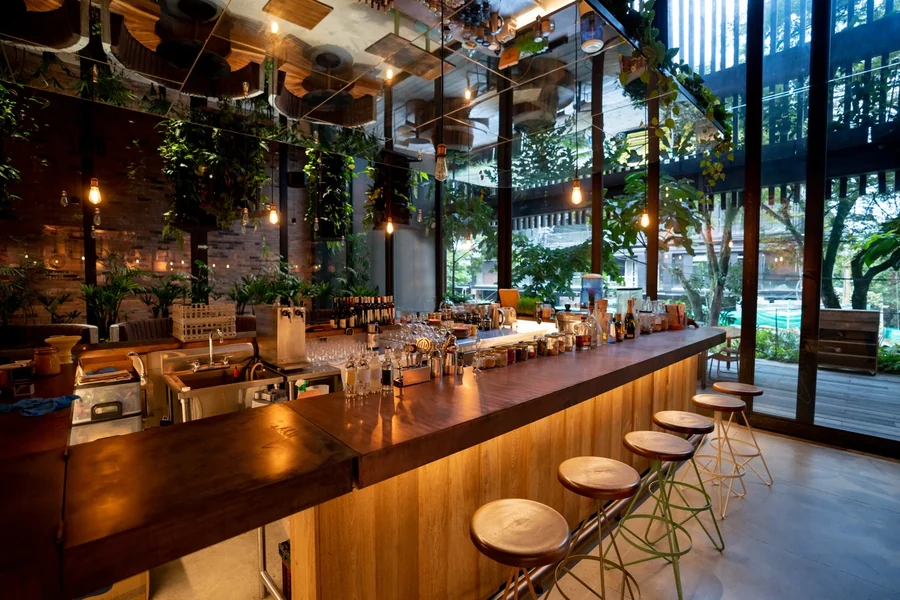
Shifting Expectations in Modern Hospitality Design
Modern hospitality venues are increasingly recognized as places that must go beyond mere function to provide memorable and engaging atmospheres. As guests arrive with expectations informed by social media, travel blogs, and high-end boutique properties, the importance of design in shaping perceptions has never been higher. Greenery, in particular, has emerged as a symbol of warmth, comfort, and modern sensibility. However, maintaining live plants throughout expansive, high-traffic areas or spaces lacking natural light presents operational challenges. Artificial plants have become a compelling solution, offering aesthetic appeal without the logistical complications of live planting. The right artificial elements, thoughtfully placed, ensure that visual expectations are met and a distinctive property personality is communicated.
Creating Atmosphere and Emotional Comfort With Greenery
The impact of greenery on how guests feel within hotels and restaurants is well documented, and artificial plants can offer many of the same psychological benefits as their living counterparts. Designers use faux foliage to soften rigid architectural features, add dimension in large or echoing spaces, and create more inviting nooks in otherwise transient environments. Key touchpoints—such as reception desks, lobby seating, and elevator landings—benefit from these welcoming accents, helping guests relax and feel momentarily at home. Because artificial plants do not rely on water or sun, they remain consistently lush no matter the season or time of day. This reliability translates into steady aesthetic value and fosters perceptions of care and intentionality. Designers can also leverage a broader palette of forms, textures, and scales, experimenting with arrangements that might not be feasible using natural species.
Functional Design Benefits for Hotels and Restaurants
Artificial plants provide clear functional advantages that make them especially suited to bustling hospitality settings. They can serve as invisible wayfinding tools, framing entrances, highlighting key routes, or signaling waiting areas without dividing up floor plans. In open lobbies or shared co-working lounges, groupings of tall planters help demarcate calmer zones while maintaining openness and visual flow. Consistency is another significant benefit; artificial greenery does not drop leaves, attract insects, or require specialized irrigation, decreasing cleaning needs and streamlining operations. From a financial perspective, the one-time investment in artificial plants is often more predictable than ongoing horticultural maintenance, particularly for properties with multiple spaces. For those seeking specialized styles that match a project’s unique character, collections like plants for hospitality by fauxnatural.com provide diverse options designed for hospitality design needs. These advantages explain why faux greenery is now a staple feature in many modern hotel and restaurant interiors.
Design Strategies for Integrating Artificial Plants in Hospitality Spaces
Successful integration of artificial plants starts with a cohesive approach that weaves greenery into the fabric of the overall design narrative. Designers often begin by anchoring focal points—such as front desks, grand stairways, or prominent lounges—with impactful arrangements that draw the eye. Smaller vignettes spread throughout corridors, guest rooms, and public spaces lend rhythm and a sense of continuity. Varied combinations of plant types, heights, and foliage textures are crucial for avoiding visual monotony and achieving a lifelike effect. Greenery is also calibrated to interact harmoniously with lighting, materials, and color schemes, reinforcing rather than distracting from other design elements. When mapping out an installation, designers identify the main objectives, such as:
- Softening architectural shifts between functional zones
- Framing iconic or photo-friendly backdrops for guest enjoyment
- Creating a sense of privacy in social seating while keeping areas open
- Providing seasonal or thematic highlights that complement brand identity
With this mindset, artificial plants become an essential element—well beyond mere decoration—in shaping a more immersive guest experience.
Health, Safety and Operational Considerations in Busy Environments
Despite the operational advantages of artificial greenery, there are important health and safety considerations in hospitality applications. Materials must comply with fire safety requirements, especially in locations accommodating large numbers of people. Regular dusting and care routines help maintain freshness and cleanliness under both direct scrutiny and camera flashes. In restaurants, it is important to ensure plants are positioned away from food preparation zones and airflow patterns are managed for optimal hygiene. Durable planters and secure fixings protect against the constant movement of furnishings and luggage. Comprehensive documentation of the plant scheme aids future redesigns, enabling changes that respect the existing aesthetic vision. Addressing these details allows artificial greenery to consistently support both the style and day-to-day operation of contemporary hospitality venues.

