
Recycling and waste management have evolved significantly beyond traditional collection and disposal methods. Today, organizations responsible for handling materials, transportation networks, sorting facilities, and environmental compliance increasingly rely on connected systems to improve efficiency, monitor resources, and make informed operational decisions.
As waste streams become more complex, digital infrastructure has become an essential component of modern operations. Automated sorting equipment, fleet management platforms, reporting systems, and facility monitoring tools help organizations manage large volumes of information while maintaining operational visibility. When these systems perform reliably, businesses can improve service delivery, maintain compliance requirements, and identify opportunities for long-term improvement.
Supporting Operational Continuity Through Monitoring
Maintaining system availability is essential for organizations managing recycling and waste operations. Digital monitoring solutions help businesses maintain visibility into their technology environments by tracking system performance, identifying potential concerns, and supporting timely responses.
Effective monitoring involves more than confirming whether a server is online. It can include reviewing resource usage, analysing system behaviour, monitoring applications, and recognizing patterns that may indicate developing performance issues.
For example, a recycling facility operating automated sorting equipment connected to management software depends on stable digital systems to maintain productivity. If supporting infrastructure experiences performance issues, sorting processes, reporting functions, or facility coordination may slow down or become temporarily unavailable.
A waste transfer facility using connected weighing systems, operational databases, and reporting platforms may also depend on continuous monitoring to ensure accurate data collection and prevent disruptions to daily activities. Early detection allows technical teams to investigate issues before they significantly affect operations.
Organizations evaluating infrastructure support options may explore server monitoring Miami services to improve visibility into system performance and strengthen operational reliability across their IT environments
The Growing Role of Digital Systems in Waste Management
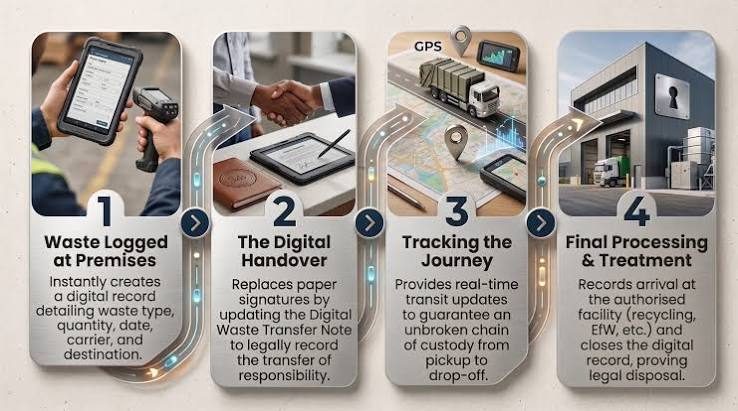
Waste management operations generate significant amounts of data every day. Collection routes, vehicle locations, recycling rates, equipment performance, inventory records, and regulatory documentation all contribute to an increasingly data-driven industry.
Connected systems allow organizations to transform this information into practical insights. For example, route optimization platforms can analyse traffic conditions and collection patterns to reduce unnecessary fuel consumption, while sensor-based solutions can monitor container levels and help prevent inefficient pickups.
According to the U.S. Environmental Protection Agency’s Sustainable Materials Management program, recycling and waste reduction efforts are important elements of sustainable materials management. Effective management requires accurate information, improved processes, and collaboration between multiple stakeholders.
Digital tools also support environmental objectives by helping organizations measure performance. Data collected from facilities can reveal opportunities to reduce contamination in recyclable materials, improve recycling rates, and increase operational efficiency.
Why Reliable Systems Matter Behind the Scenes
Although many waste management activities take place outdoors or inside processing facilities, much of the operation depends on digital systems working in the background. Servers, databases, communication platforms, and business applications support essential activities such as employee access, scheduling, reporting, equipment tracking, and operational planning.
A disruption to these systems can create challenges beyond a simple technical issue. If scheduling platforms become unavailable, collection teams may experience delays. If reporting systems are affected, organizations may face difficulties maintaining accurate records required for compliance, planning, and performance analysis.
This is why proactive infrastructure management has become increasingly important for organizations operating essential services. Regular system oversight helps identify unusual activity, performance concerns, and potential failures before they create significant operational disruption.
Protecting Data in an Increasingly Connected Industry
Cybersecurity has become an important consideration for industries that depend on digital infrastructure. Waste management companies may store sensitive business information, including customer records, operational schedules, financial data, equipment information, and facility details.
Strong security practices include regular software updates, access controls, backup strategies, and continuous monitoring. These measures help reduce risks while supporting the availability and reliability of important systems.
The National Institute of Standards and Technology (NIST) Cybersecurity Framework highlights the importance of cybersecurity practices that help organizations identify risks, protect resources, detect issues, respond effectively, and recover from disruptions. These principles apply across many industries, including organizations responsible for essential environmental services.
The Connection Between Sustainability and Digital Information
Sustainability goals increasingly depend on accurate information. Recycling organizations need reliable data to understand how materials move through their systems and where improvements can be made.
For example, a recycling facility analysing contamination levels may use digital records to identify common sources of inefficiency. Transportation companies may use operational data to reduce unnecessary mileage and improve fuel usage. These improvements support both environmental objectives and long-term planning.
Digital systems do not replace the expertise of waste management professionals. Instead, they provide teams with better information, allowing them to make more informed decisions and improve existing processes.
Choosing Technology Support for Complex Operations
As recycling and waste management organizations continue expanding their digital capabilities, maintaining dependable infrastructure becomes increasingly important. Internal teams may require support with system maintenance, security practices, monitoring processes, and long-term infrastructure planning.
Technology providers such as Telx Computers support businesses by helping maintain infrastructure reliability, monitoring systems, and managing technology environments. These services can help organizations improve operational visibility and maintain dependable digital systems that support their daily activities.
The right support approach depends on an organization’s specific requirements. A recycling facility with automated processing equipment may have different priorities from a waste collection company managing a large vehicle fleet. Factors such as scalability, response processes, security practices, and operational requirements should all be considered when selecting technology support.
Building a More Connected Future for Waste Management
The future of recycling and waste management will continue to involve greater integration between physical operations and digital systems. Artificial intelligence, automation, connected sensors, and data analytics are expected to create new opportunities for improving efficiency and sustainability.
However, these advancements depend on stable foundations. Reliable infrastructure, effective security measures, and proactive maintenance remain essential for organizations that want to benefit from emerging technologies.
As communities continue focusing on sustainability and responsible resource management, digital infrastructure will remain an important part of creating smarter and more efficient waste management systems. By combining operational expertise with dependable technology, organizations can improve performance while supporting broader environmental goals.

