
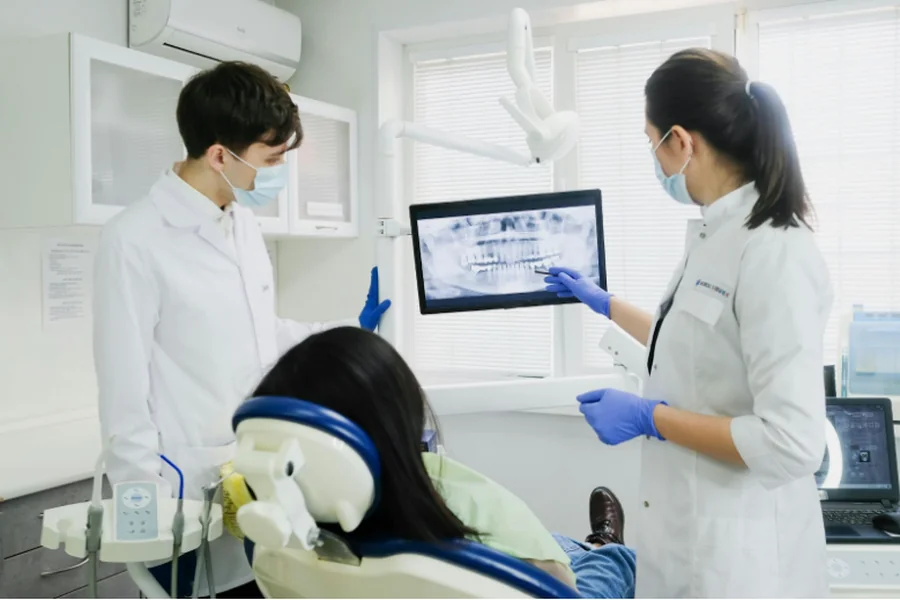
Preventative dentistry in Bastrop, TX, is a strategic approach that emphasizes the early identification and management of dental issues. This method greatly reduces the likelihood of costly and painful complications such as cavities and gum disease. Regular check-ups and professional cleanings are essential components, as they target plaque and tartar buildup. The integration of fluoride treatments and dental sealants fortifies tooth enamel, offering further protection. Discover how these preventive measures can safeguard not only oral health but also financial stability.
The Importance of Regular Dental Check-Ups
Regular dental check-ups, typically recommended biannually, play an essential role in maintaining oral health by facilitating early detection and prevention of dental issues. During these appointments, dental professionals conduct routine examinations to assess the condition of teeth and gums, enabling the identification of potential problems before they escalate. Comprehensive dental cleanings are integral to these visits, as they effectively remove plaque and tartar buildup that regular brushing and flossing may miss. This meticulous process not only enhances oral hygiene but also reduces the risk of conditions such as cavities and gum disease. By adhering to a schedule of regular dental check-ups, patients guarantee that their oral health is consistently monitored, promoting a proactive approach to dental care and overall well-being.
Understanding the Cost of Neglecting Oral Health
While maintaining a regimen of regular dental check-ups is essential, the repercussions of neglecting oral health can be significant and far-reaching. Dental neglect may lead to preventable complications such as periodontal disease, tooth decay, and infection, each necessitating costly interventions. These conditions often progress silently, escalating into advanced stages that require extensive treatment, including root canals, crowns, or even extractions. The expenses associated with these procedures are substantial compared to the relatively minor costs of routine preventative care. Additionally, neglected oral health can contribute to systemic health issues, further increasing healthcare expenses. By prioritizing oral hygiene and regular check-ups, individuals can effectively manage and mitigate these avoidable costs, ensuring oral and overall well-being while safeguarding financial resources.
How Cleanings Can Prevent Major Dental Procedures
Routine dental cleanings play a vital role in preventing plaque buildup, which, if left unchecked, can lead to complex dental issues requiring major procedures. These cleanings also facilitate early detection of potential oral health problems, allowing for timely intervention that can mitigate the need for extensive treatments. Additionally, maintaining a regular cleaning schedule proves to be a cost-effective strategy for preserving oral health, reducing the financial burden associated with advanced dental procedures.
Plaque Buildup Prevention
Consistent dental cleanings play a critical role in the prevention of plaque buildup, which, if left untreated, can lead to more invasive dental procedures. By reducing plaque formation, regular cleanings help maintain oral hygiene, minimizing the risk of cavities, gingivitis, and periodontal disease. Dental professionals employ specialized tools to remove plaque and tartar from areas that are often missed during daily brushing and flossing. This proactive approach not only preserves enamel integrity but also lowers the likelihood of requiring costly treatments such as fillings, root canals, or periodontal surgeries. Patients benefit from a detailed examination during each cleaning session, ensuring that their oral environment remains healthy. Ultimately, maintaining routine cleanings is an investment in long-term dental health and financial savings.
Early Detection Benefits
Beyond the immediate benefits of plaque removal, dental cleanings serve as an integral component in the early detection of oral health issues. Regular cleanings facilitate a systematic approach to catching problems early, allowing dental professionals to meticulously monitor oral health. This vigilance enables the identification of potential issues such as cavities, gum disease, or oral cancer at a stage where they are most manageable. Early intervention often means less invasive treatments, preserving the natural structure of the teeth and gums. Routine check-ups also help to establish a thorough dental history, providing a baseline for detecting subtle changes over time. By prioritizing early detection through regular cleanings, patients can avoid complex procedures, thereby reducing the risk of pain and financial burden associated with advanced dental conditions.
Cost-effective Oral Hygiene
Regular dental cleanings are a cornerstone of extensive oral hygiene, acting as a preventative measure that can avert the need for major dental procedures. By removing plaque and tartar, cleanings mitigate the risk of developing cavities and periodontal disease. This essential practice complements consistent dental habits, such as daily brushing and flossing, which are pivotal in maintaining oral health. Professional cleanings serve as a cavity prevention strategy by identifying potential issues early, before they escalate into costly treatments like fillings, root canals, or extractions. For patients, this proactive approach not only reduces financial burdens but also minimizes discomfort and recovery time. In Bastrop, TX, dental professionals emphasize the importance of regular cleanings as an integral part of thorough dental care.
The Role of Fluoride Treatments in Preventative Care
Although often overlooked, fluoride treatments play an essential role in preventative dental care by enhancing tooth enamel’s resistance to decay. The fluoride application process involves professionally applying a concentrated fluoride solution to the teeth, which strengthens enamel by remineralizing weak areas. This treatment is critical in preventative dentistry, as fluoride effectiveness has been well-documented in reducing the incidence of cavities, especially in patients with a higher risk of dental caries.
Key benefits include:
- Enamel Fortification: Fluoride integrates into the tooth structure, increasing resilience against acid attacks.
- Cavity Prevention: Regular fluoride treatments can dramatically decrease the occurrence of dental caries.
- Cost Efficiency: Investing in fluoride treatments reduces the need for more invasive and expensive dental procedures in the future.
Benefits of Dental Sealants for Long-Term Oral Health
While preventative measures are essential in maintaining oral health, dental sealants offer a highly efficient barrier against tooth decay, particularly in children and adolescents. By providing a protective coating over the deep grooves of molars, sealants contribute substantially to tooth enamel protection. This thin plastic layer adheres to the chewing surfaces, preventing food particles and bacteria from settling in hard-to-clean areas. The application process is quick, painless, and non-invasive, ensuring minimal discomfort for patients. Dental sealants enhance long term tooth maintenance by reducing the likelihood of cavities, ultimately decreasing the need for more extensive restorative procedures. When integrated into an inclusive dental care regimen, sealants serve as a cost-effective strategy for sustaining oral health and promoting a cavity-free future.
Avoiding Painful Procedures Through Early Detection
Regular dental checkups play a critical role in the early detection of oral health issues, thereby preventing more invasive and painful procedures. By identifying problems such as cavities, gum disease, or misalignments at an early stage, dental professionals can implement timely interventions that are less complex and more cost-effective. This proactive approach not only preserves the patient’s comfort but also enhances overall oral health outcomes.
Benefits of Regular Checkups
Consistent dental checkups play a pivotal role in maintaining oral health by facilitating early detection and intervention of dental issues. Regular examinations allow dental professionals to assess and reinforce proper oral hygiene habits, effectively preventing the progression of dental diseases. During these checkups, patients benefit from:
- Accurate Diagnosis: Early-stage issues such as cavities or gum disease can be identified before they escalate into more severe conditions.
- Preventative Measures: Recommendations on effective oral hygiene habits, including brushing and flossing techniques, are tailored to the patient’s needs.
- Cost Efficiency: Early detection minimizes the need for costly and extensive dental procedures, ultimately saving patients money and reducing discomfort.
Identifying Problems Early
By incorporating routine dental examinations into a patient’s health regimen, early detection of potential oral health issues becomes feasible, consequently preventing the need for invasive and painful procedures. Early problem identification allows for the recognition of conditions such as cavities, gum disease, and enamel wear before they escalate. These dental evaluations employ diagnostic tools like X-rays and visual inspections to assess oral health. When issues are identified at an initial stage, prompt intervention strategies can be implemented, such as fluoride treatments or sealants, to halt progression. This proactive approach not only mitigates pain but also minimizes financial burdens associated with complex dental treatments. In Bastrop, TX, preventative dentistry focuses on sustaining dental health, promoting cost-effective, and less invasive solutions to dental problems.
Financial Benefits of Preventative Dentistry
Investing in preventative dentistry offers significant financial advantages for patients in Bastrop, TX. By focusing on routine care and early intervention, individuals can achieve considerable cost savings and avoid future costs associated with extensive dental procedures. Preventative dentistry aims to mitigate the progression of dental diseases, thereby reducing the likelihood of costly treatments.
- Routine Check-Ups: Regular dental visits facilitate early detection of potential issues, minimizing the need for expensive interventions.
- Professional Cleanings: Scheduled cleanings help prevent tooth decay and gum disease, which can lead to costly restorative procedures.
- Preventative Treatments: Fluoride applications and dental sealants offer protective benefits, reducing the risk of cavities and subsequent expensive treatments.
Community Health Initiatives in Bastrop
While preventative dentistry offers individual benefits, community health initiatives in Bastrop, TX aim to enhance the overall oral health landscape by targeting broader populations. Community awareness programs are pivotal in educating residents about the significance of oral hygiene and its long-term impact on health. These programs frequently incorporate workshops and seminars that emphasize the importance of routine dental check-ups and proper brushing techniques. Local dental outreach efforts extend these initiatives by providing accessible dental care services to underserved areas, ensuring no demographic is overlooked. By fostering a culture of proactive dental care, these initiatives mitigate the risk of widespread dental issues, ultimately reducing healthcare costs and improving quality of life. Through strategic collaboration, Bastrop continually advances its commitment to ideal community oral health.
Choosing the Right Preventative Dental Care Provider in Bastrop
When selecting the ideal preventative dental care provider in Bastrop, several vital factors must be considered to guarantee comprehensive and patient-centered care. Working with a trusted preventative dentist in Bastrop ensures access to experienced professionals who prioritize early detection and long-term oral health. Evaluating the dental provider’s reputation and patient satisfaction ratings is paramount for ensuring quality and reliability. A thorough assessment involves:
- Reputation Analysis: Investigate the provider’s standing in the community through online reviews and peer recommendations, emphasizing historical consistency in quality care.
- Patient Satisfaction Ratings: Scrutinize ratings and feedback from existing patients to gauge their experiences and satisfaction levels.
- Professional Credentials: Verify the provider’s qualifications and certifications to ensure adherence to industry standards.
These elements collectively provide a structured approach to choosing a preventative dental care provider, ultimately resulting in enhanced patient outcomes and satisfaction. Proper attention to these factors is essential for informed decision-making.
Frequently Asked Questions
What Dietary Habits Support Preventative Dental Care?
Incorporating whole grains and fresh produce into one’s diet substantially supports preventative dental care. These foods provide essential nutrients, promote oral health, and reduce plaque buildup, thereby minimizing dental issues and enhancing overall oral hygiene.
How Does Stress Impact Oral Health?
Stress tremendously impacts oral health, often leading to stress-induced teeth grinding (bruxism) and stress-related gum inflammation. These conditions can exacerbate dental issues, necessitating careful management to prevent long-term damage and maintain overall oral health.
Are There Natural Alternatives to Fluoride Treatments?
Natural alternatives to fluoride treatments include herbal supplements and homeopathic remedies. Herbal supplements like green tea and xylitol may support oral health, while homeopathic remedies are explored for their potential to improve dental resilience and prevent cavities.
Can Genetics Affect the Effectiveness of Preventative Dentistry?
Genetic predispositions profoundly influence dental enamel development, impacting the effectiveness of preventative dentistry. Variations in genes can lead to enamel defects or increased susceptibility to cavities, necessitating personalized dental care strategies to optimize oral health outcomes for each patient.
What Role Does Technology Play in Modern Preventative Dentistry?
Technology enhances modern preventative dentistry by employing digital imaging techniques to facilitate precise diagnostics and planning. Additionally, it supports minimally invasive procedures, reducing patient discomfort and promoting faster recovery while maintaining ideal oral health.
