

Wondering how small businesses can save money on lab equipment and healthcare accessories? This article shares practical tips to cut costs while ensuring quality remains high.
Assessing Your Lab Equipment Needs
Evaluating your lab equipment needs is the first step toward achieving cost efficiency. Understanding your lab’s specific requirements helps avoid unnecessary expenditures. Begin by evaluating lab equipment based on characteristics such as:
- Ease of use
- Speed
- Accuracy
- Performance
Researching suppliers that offer competitive rates and establishing a budget for lab supplies will help manage your finances better. Effective inventory management practices ensure accurate tracking of lab supplies and support operational efficiency.
Remember, while it’s important to save money, compromising on the quality of equipment can jeopardize lab performance, so always aim for a balance.
Creating an Inventory List
A comprehensive inventory list is key to managing lab supplies efficiently. This list should include all current equipment and supplies, noting their condition and usage frequency. Recording details such as expiration dates and storage requirements is also important. Regular audits can identify slow-moving reagents and expired chemicals, ensuring efficient inventory management. Breaking down inventory into manageable sections and preemptively retiring soon-to-expire kits can avoid redundant ordering.
To enhance inventory management, consider labeling equipment with QR codes that link to digital histories, providing easy access to maintenance logs and user manuals. Assigning roles in inventory management, such as having graduate students maintain specific sections, ensures clear accountability and builds inventory skills among team members.
Prioritizing Essential Items
Effective budget management requires prioritizing essential items. Understanding your lab’s specific needs helps avoid unnecessary expenditures and ensures spending aligns with actual requirements.
When prioritizing essential items, labs should not only focus on large equipment but also on daily consumables such as pipettes, disinfectants, and surgery gloves. High-quality gloves are indispensable in ensuring safety and hygiene standards, especially for labs that handle biological samples or sensitive materials. While it may be tempting to cut costs here, investing in reliable gloves reduces the risk of contamination, improves staff confidence, and prevents expensive mistakes or accidents. Exploring bulk purchase options for gloves and other personal protective equipment (PPE) can further reduce recurring costs without compromising safety.
Buying Used or Refurbished Lab Equipment
Purchasing used or refurbished lab equipment can lower initial costs without compromising quality, significantly helping small businesses save money. Ensuring quality is maintained is crucial to avoid jeopardizing service delivery and result integrity.
Adhering to key purchasing tips will help you find the ideal equipment for your purchasing lab supplies.
Trusted Sources for Used Equipment
Finding trusted sources is crucial when looking for used lab equipment. Seek suppliers with a proven track record and positive feedback from other buyers to ensure reliability.
Reliable sources include well-known marketplaces like eBay, LabX, and Surplus Solutions, which cater to various laboratory supplies industry needs.
Evaluating Quality and Warranty
Quality is paramount when purchasing used lab equipment. To make an informed decision, consider the following:
- Gather information about the warranty period and any known issues before buying.
- Obtain documentation on the equipment’s performance history and maintenance.
- Speak to the manufacturer or seller to clarify any doubts regarding the equipment you are considering, which can provide peace of mind.
Cost is important, but don’t focus solely on price. Quality and reliability are equally crucial when purchasing used lab equipment. Better quality at a reasonable cost will save more money in the long run by avoiding frequent replacements and repairs.
Utilizing Online Marketplaces and Auctions

Online marketplaces and auctions are excellent avenues for finding cost-effective lab equipment. Many platforms connect buyers with sellers of new, used, and refurbished lab equipment.
These platforms often offer competitive prices, helping small business save on essential lab supplies from the company.
Popular Marketplaces for Lab Equipment
Well-known online platforms for purchasing lab equipment include eBay, LabX, and Surplus Solutions, catering to various laboratory needs. LabX, in particular, is a leading marketplace, facilitating transactions between millions of buyers and sellers.
Auction Strategies
Online auctions provide opportunities to acquire lab equipment at reduced prices. Unlike impulsive buying, auctions allow thorough research on equipment before placing bids. Understanding the auction format, such as in-person versus online, is crucial for developing effective bidding strategies.
Setting a maximum bid limit before participating helps prevent overspending during competitive bidding. Adhering to these strategies allows labs to benefit from a limited number of significant savings on high-quality equipment.
Exploring Grants and Funding Opportunities
Grants and funding opportunities provide significant financial support for purchasing lab equipment. The life sciences industries sector offers numerous grants to help small businesses manage equipment costs. Life sciences companies also offer grants tailored for small laboratories, often focusing on innovation in healthcare and scientific research.
Government and Private Grants
Government and private grants are available specifically for small labs and healthcare companies, designed to offset costs associated with lab equipment and accessories. For example, the NIH offers grants like the Commercialization Readiness Pilot Program to assist small businesses with late-stage R&D support.
When applying for grants, small labs should thoroughly prepare by clearly defining their project goals and aligning them with the grant’s objectives.
Application Tips
To offset equipment costs through grants and funding opportunities available to small businesses in the life science sector, consider the following:
- Investigate various grants and funding opportunities specific to the life sciences sector.
- Clearly articulate project goals in your grant application.
- Define expected outcomes of the project.
- Prepare a detailed budget plan.
- Adhere strictly to formatting and submission guidelines provided by the funding agency to avoid disqualification.
Highlight the impact of proposed equipment on advancing research capabilities to determine and strengthen your application. Carefully review eligibility requirements and guidelines outlined by funding agencies to ensure your application meets all criteria.
Implementing Preventive Maintenance Programs
Preventive maintenance programs are crucial for extending the operational life of lab equipment. Routine maintenance minimizes equipment wear and prolongs its operational life.
Integrating preventive maintenance tracking into inventory control ensures equipment remains operational and adheres to calibration specifications.
Routine maintenance should extend across all types of laboratory instruments, from high-end analyzers to basic heating devices. For instance, a laboratory hot plate, though relatively simple, plays a vital role in many experiments and requires regular inspection to ensure safe temperature regulation and consistent performance.
Overlooking maintenance on such seemingly small equipment can lead to malfunctions or safety hazards. Creating maintenance logs that include calibration records for hot plates, stirrers, and incubators not only extends their operational life but also ensures accuracy in experimental results.
Scheduling Routine Checks
Establishing a routine check-up schedule is crucial for maintaining optimal performance and reliability of lab equipment. Regular maintenance schedules should align with equipment usage and manufacturer’s recommendations. A structured timetable for maintenance enhances the reliability and performance of laboratory instruments.
Maintenance calendars and automated notifications help lab managers prevent service lapses, ensuring equipment operates safely and effectively.
Training Staff
Proper staff training on equipment handling can significantly reduce unnecessary wear and tear, extending the lifespan of laboratory equipment instruments in the world. Training staff on equipment care prevents costly breakdowns and ensures safety.
Educating staff on proper maintenance techniques is vital for extending the longevity of lab equipment. Training enhances their ability to identify and address potential issues early.
Sharing Resources with Other Small Labs
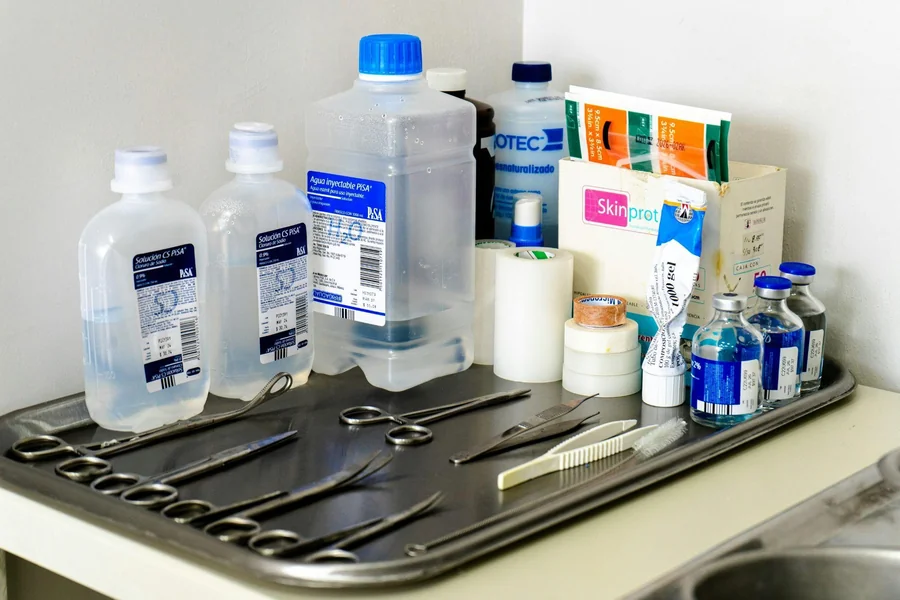
Sharing resources with other small labs reduces individual costs on expensive equipment. Collaborating in shared space with nearby smaller labs provides shared access to costly equipment, lowering operational expenses.
Collaborative usage of scientific equipment among small labs leads scientists to significant cost savings by distributing the financial burden of expensive devices.
Forming Partnerships
Collaborating with small labs to share expensive equipment offers several advantages:
- Reduces individual costs and improves access to essential resources.
- Allows partnering with nearby labs to share specialized equipment that may not justify solo purchases, leading to savings.
- Requires drafting agreements for resource sharing that outline terms regarding usage, maintenance responsibilities, and liability to ensure smooth collaboration.
To identify potential partners, reach out to local laboratory networks or associations and explore informal conversations to assess compatibility.
Resource-Sharing Agreements
Sharing resources with other small labs reduces individual costs on expensive equipment. Identifying and forming partnerships with nearby labs is essential for shared use of equipment. Drafting clear agreements outlines expectations and responsibilities for all parties involved.
Well-defined agreements ensure smooth collaboration and prevent misunderstandings among labs sharing resources.
Negotiating with Vendors
Effective vendor negotiation enhances long-term contract terms, including favorable pricing, delivery schedules, and bulk purchasing discounts for the future. Success in thorough preparation enhances your bargaining power. By analyzing market trends and gathering data on competitor pricing, businesses can identify opportunities to secure better deals and anticipate shifts in the market. This intelligence not only strengthens negotiation strategies but also provides a substantial marketing advantage, allowing companies to position themselves more competitively. For more insights on leveraging market data and optimizing online visibility in healthcare sectors, you can explore healthcare SEO strategies here
Preparing for Negotiations
Gathering comprehensive data from various sources empowers your negotiation approach. A well-prepared case gives you an edge in negotiations, demonstrating seriousness and commitment to the vendor, showcasing your knowledge.
Long-Term Contracts
Long-term contracts with vendors offer several benefits:
- Secure consistent pricing and supply of lab materials, minimizing fluctuations and uncertainties.
- Achieve significant cost savings as suppliers often offer lower rates for guaranteed purchases.
- Ensure a steady supply of essential materials, crucial for uninterrupted lab operations.
Preparation is key in negotiations; gather relevant data and vendor performance metrics to strengthen bargaining power.
Leveraging Bulk Purchasing and Supplier Relationships
Bulk purchasing and strong supplier relationships reduce costs and ensure a steady supply of essential materials in manufacturing. Buying in bulk lowers costs and provides a consistent supply.
Long-term agreements with vendors stabilize costs and ensure a continuous supply of lab consumables and materials.
Another important factor in bulk purchasing is logistics. Partnering with trusted logistics providers ensures timely and safe delivery of delicate laboratory materials. For instance, international suppliers often collaborate with shipping companies in Philippines to streamline cross-border transport of lab consumables and healthcare accessories.
Reliable shipping partners help small businesses reduce delays, minimize the risk of damaged goods, and benefit from cost-effective freight solutions. Negotiating with suppliers on shipping terms or leveraging global courier services can result in substantial savings while maintaining consistent access to essential materials.
Benefits of Bulk Purchasing
Bulk purchasing allows small businesses to buy larger quantities of frequently used lab supplies at lower per-unit prices, significantly cutting down on costs for essential items.
Strong supplier relationships can lead to negotiated discounts, better service, and access to exclusive deals. Bulk purchasing maximizes savings and fosters beneficial partnerships that enhance cost efficiency in lab operations.
Building Supplier Relationships
Supplier relationships can lead to exclusive deals and improved service, enhancing procurement efficiency. Solid connections with suppliers facilitate better negotiation outcomes for discounts and favorable terms.
Identifying potential partner labs involves networking through local scientific associations or community outreach programs. Formal agreements should clearly define responsibilities and expectations of each party to prevent misunderstandings.
Taking Advantage of Technology Solutions
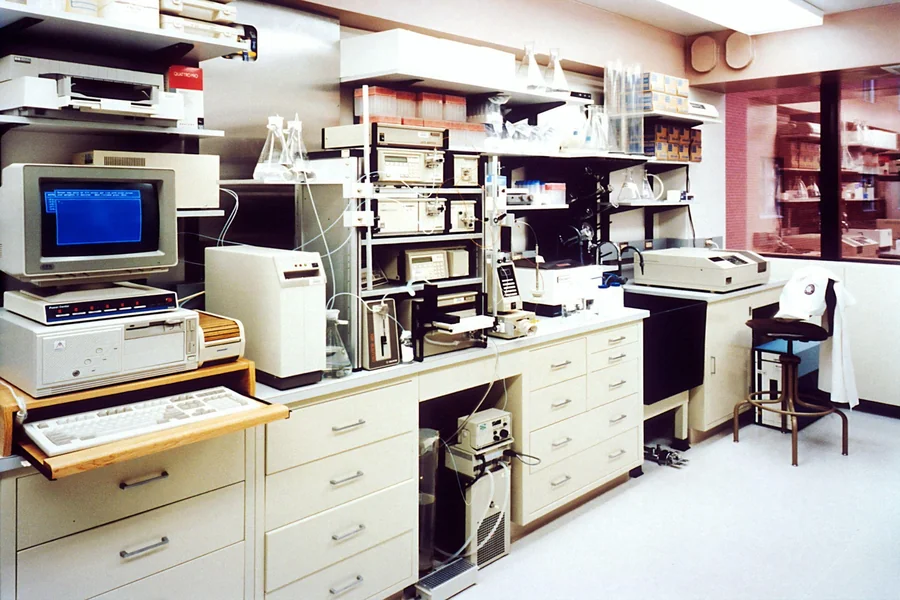
Technology solutions streamline lab inventory management and reordering processes, reducing costs and improving efficiency. Effective inventory management ensures all essential resources are available for timely and accurate research.
Technology solution reduces costs, prevent stockouts or overstocking, and improve compliance in lab operations.
Inventory Management Software
Some inventory systems offer customizable dashboards to track lab supplies in real time. Cloud-based inventory management allows remote access and real-time updates. For example, a plant biology lab uses inventory software to monitor supplies like plant hormones and agar plates, ensuring efficient resource management.
Establishing reorder points for lab supplies guarantees timely replenishment. Implementing an inventory management system is crucial for tracking and optimizing lab supplies and equipment usage.
Automated Reordering
Automated reordering systems:
- Integrate with suppliers’ databases to streamline purchases.
- Maintain an adequate supply of lab materials and avoid emergency purchases.
- Ensure just-in-time delivery, reducing inventory holding costs.
Timely restocking through automated systems helps labs avoid last-minute purchases at higher prices, resulting in significant cost savings.
Summary
In conclusion, small businesses can achieve significant cost savings on lab equipment and healthcare accessories through a variety of strategies. Assessing your lab equipment needs, buying used or refurbished items, leveraging bulk purchasing, and building strong supplier relationships are just a few ways to reduce expenses. Utilizing online marketplaces, exploring grants and funding opportunities, and implementing preventive maintenance programs further enhance cost efficiency. Sharing resources with other small labs and negotiating effectively with vendors can lead to additional savings.
By taking advantage of technology solutions like inventory management software and automated reordering, labs can streamline operations and ensure they always have the necessary supplies on hand. These strategies not only help save money but also contribute to the overall success and sustainability of your lab. Embrace these practices and watch your lab thrive financially and operationally.
Frequently Asked Questions
What are the benefits of buying used or refurbished lab equipment?
Purchasing used or refurbished lab equipment significantly reduces initial costs while maintaining quality standards. It is crucial to verify the equipment’s condition and warranty before proceeding with the acquisition.
How can small labs benefit from bulk purchasing?
Small labs can significantly reduce costs by purchasing larger quantities of essential supplies at lower per-unit prices, while also building strong relationships with suppliers. This approach not only enhances financial efficiency but also ensures a consistent supply of necessary materials.
Why is preventive maintenance important for lab equipment?
Preventive maintenance is crucial as it reduces equipment wear and prolongs operational life, ensuring that lab equipment functions safely and effectively. Regular checks and staff training further enhance reliability and performance.
How can small labs access grants and funding opportunities?
Small labs can access grants and funding opportunities by applying for non-dilutive funding through government and private grants, making sure to emphasize the impact of their research and align their project goals with the grant’s objectives. Focusing on these aspects increases the likelihood of successful applications.
What are the advantages of using inventory management software in labs?
Using inventory management software in labs enhances efficiency by providing real-time tracking of supplies and customizable dashboards for better oversight. This ensures accurate inventory records, preventing stockouts and overstocking while optimizing turnover.

