

When deciding between ceramic implants and traditional dental implants, it’s important to understand their differences. Both options help restore your smile, but they offer unique benefits. Ceramic implants, made of zirconia, provide a natural look, while traditional titanium implants have a long track record of success.
In this guide, we’ll break down the key differences, from material to aesthetics to durability. By the end, you’ll know exactly which implant is right for your needs and lifestyle. Let’s dive in and compare ceramic implants to traditional dental implants!
Introduction to Dental Implants: What You Need to Know
Dental implants are a popular and effective solution for people who have lost teeth. If you’re considering this option, it’s important to understand what they are and how they work. Whether you’ve lost a tooth due to injury, decay, or aging, dental implants can help restore your smile and improve your quality of life.
Why Choose Dental Implants?
There are several reasons people choose dental implants over other options like dentures or bridges. Implants look and feel like real teeth, which means you can smile, speak, and eat with confidence. Unlike dentures, they don’t slip or require removal for cleaning.
Plus, implants help maintain bone structure by stimulating the jaw, which is important for long-term oral health.
Material Differences: Ceramic vs. Titanium in Dental Implants
When it comes to dental implants, the material used plays a big role in their function and appearance. Two common materials for implants are ceramic (zirconia) and titanium. Each has its own set of advantages, and understanding these differences can help you choose the best option for your needs.
Titanium Dental Implants
Titanium has been the gold standard in dental implants for many years. It’s a strong, durable metal that can withstand the pressure of chewing and biting. One of the biggest advantages of titanium implants is their ability to fuse with the jawbone through a process called osseointegration.
This helps create a stable and long-lasting foundation for your artificial tooth. Titanium implants are also highly biocompatible, meaning they rarely cause allergic reactions.
Ceramic Dental Implants
Ceramic implants, made from zirconia, are a newer alternative to titanium. One of the main benefits of ceramic implants is their natural look. They blend well with your teeth and gums, making them a great option for people who are concerned about the appearance of their implants.
Ceramic implants are also metal-free, which can be appealing to those who want to avoid metal in their bodies. However, while ceramic implants are strong, they may not be as durable as titanium over time.
Aesthetic Benefits: Which Implant Looks More Natural?
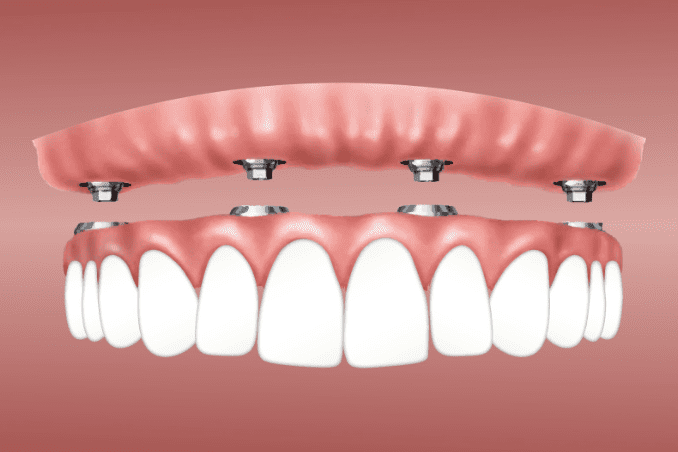
When choosing a dental implant, one of the most important factors to consider is how natural it will look. After all, your smile is a big part of your confidence, and you want your implant to blend in perfectly with your natural teeth. So, let’s compare the aesthetic benefits of ceramic and titanium implants.
Ceramic Implants: A Natural Look
Ceramic implants, made from zirconia, are known for their natural appearance. The material is white, similar to your natural tooth color, which allows it to blend seamlessly with the surrounding teeth and gums.
This is especially important for people who are getting implants in the front of their mouth, where the implant will be most visible. Ceramic implants also don’t show a dark line at the gum line, which can sometimes happen with titanium implants.
Titanium Implants: Strength with a Slightly Less Natural Look
Titanium implants are durable and have been widely used for many years, but they may not offer the same aesthetic benefits as ceramic implants. Titanium is metallic, which means it can sometimes cause a dark shadow at the gum line, especially in people with thin or receding gums. While titanium implants are very strong and functional, they may not look as natural as ceramic implants in some cases.
Longevity and Maintenance: Durability and Care
When it comes to dental implants, longevity and maintenance are key factors to consider. After all, you want an implant that will last for many years and stay in great condition with minimal effort. Let’s compare the durability and care needed for ceramic and titanium implants.
Durability: How Long Do They Last?
Both ceramic and titanium implants are designed to be long-lasting, but titanium has a proven track record. Titanium implants have been used for decades and, when cared for properly, can last 25 years or more. They are incredibly strong and can withstand the pressure of chewing without any issues.
Ceramic implants are newer but still offer good durability. While they are strong, they may not be as resistant to wear and tear as titanium over time. Ceramic implants are also more prone to cracking or chipping under extreme pressure, making them slightly less durable than titanium. However, with proper care, they can still last many years.
Maintenance: Caring for Your Implants
Caring for both ceramic and titanium implants is relatively simple. Regular brushing, flossing, and visits to your dentist are essential to keep your implants in top shape. You should also avoid habits like grinding your teeth, which can damage your implants.
The key to keeping your implants looking great and lasting long is good oral hygiene. While titanium implants are more durable in the long run, both ceramic and titanium implants can provide excellent results with the right care.
Conclusion
Choosing the right implant comes down to your personal preferences and needs. Ceramic implants offer a more natural appearance, while traditional titanium implants are known for their strength and reliability. Whichever you choose, both options provide excellent solutions for restoring your smile and confidence.
