
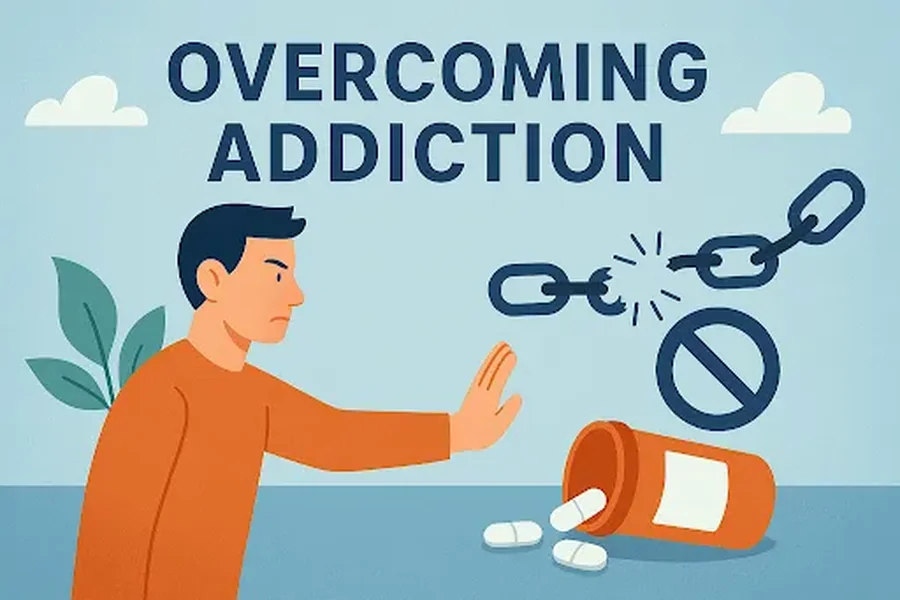
There are few journeys in life harder than overcoming addiction. An addiction to alcohol and/or drugs can affect all areas of your life, including your physical and mental health, finances, career, and personal relationships. Addiction is also a highly complex condition and one that is not easy to approach. It can be a long and often bumpy journey, but it is possible to break free and create a new, healthier, and happier lifestyle for yourself. Here are a few key pieces of advice that should make a difference to your journey.
Acknowledge the Problem
The first step is admitting that you have a problem, which is not always easy. Many people will deny they have a problem or feel a great sense of shame, so facing the truth is the first step to take on your recovery journey. This involves admitting to yourself that you have a problem and that something needs to change. You can make this feel like a key step by talking with someone you trust or writing down your thoughts.
Identify Your Root Causes & Triggers
Next, you should identify the root cause of your addiction. Often, people turn to drugs and alcohol as a coping mechanism for trauma, stress, anxiety, etc. Therefore, try to determine what is causing you to turn to drugs or alcohol for relief. Once you understand the root causes, it will be easier to address.
You should also identify your main triggers. Many people find that there are certain situations, places, or even people that drive them to drugs and/or alcohol. By identifying your triggers, you can try to remove or minimize them from your life.
Lean On Loved Ones
Addiction is never something you should go through alone. Therefore, it is important to lean on your loved ones for support during your journey. Often, addiction affects your personal relationships, which can make this difficult, but by being open and honest, those closest to you can be an invaluable source of support at each stage of your journey.
Get Professional Help
Addiction is also a complex condition with deep-rooted issues. Therefore, it is important to seek professional advice from therapists who are trained in addiction recovery. They will be able to develop tailored strategies to help you overcome your addiction and avoid temptation in the future. This may also involve time in rehabilitation centers, which can be an effective way to detox and address the root causes and triggers.
Plan Aftercare
It is also essential to be aware that addiction recovery is an ongoing process, even after rehabilitation. The best facilities will offer comprehensive drug rehab aftercare programs, providing a safety net as you transition to your new life. Aftercare often involves outpatient therapy, support groups, sober living facilities, and continuing education and vocational training.
Overcoming addiction is one of the hardest experiences to go through in life, and it is often non-linear with setbacks along the way. It is possible to overcome your addiction, though, and the advice in this post should help with your journey to a new, better, and happier life.
