
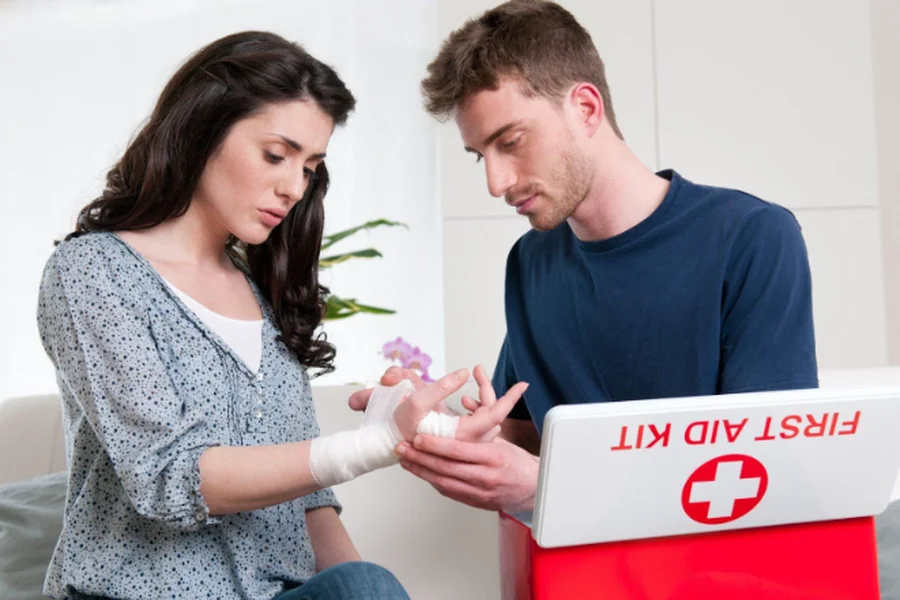
What if saving a life could be made easier with modern tools?
First aid training has always been an important skill, but technology is now changing how it is taught. Digital tools, apps, and online courses are making lessons more effective and easier to follow. Learners can now practice with simulations that feel real.
Certification has also become more flexible, reaching more people than before. These changes make professional first aid certification stronger, more engaging, and more useful in real emergencies.
Let’s explore how technology is shaping first aid certification today.
Online Training Platforms
Online training platforms make first aid learning easier for many people. Instead of going to a class, learners can study at home on their own time. Sites such as https://cprcertificationnow.com/collections/cpr-and-first-aid-certifications offer courses with videos, reading lessons, and simple tests. These tools explain each step clearly so learners can follow along without trouble.
This way of learning helps people who have busy schedules. It also works well for those who cannot attend in-person classes. Learners can review lessons as many times as they want. Online training makes first aid certification more flexible and easier to finish.
Mobile Learning Apps
Mobile learning apps bring first aid lessons to a phone or tablet. They give step-by-step guides, short lessons, and tips for real emergencies. Some apps even have short quizzes to test what learners know. Progress tracking makes it easy to see improvement over time.
The best part is that these apps go anywhere. Learners always have access to help and practice in their pocket. This makes first aid training part of everyday life. With apps, learning is quick, simple, and always within reach.
Virtual Reality Simulations
Virtual reality simulations let learners practice first aid in a safe way. They create scenes that look and feel real, but without risk. Learners can practice many times until they feel more confident. Mistakes can be fixed right away, which helps skills improve faster.
These simulations also show what it feels like to act under pressure. The setting feels real, which prepares learners for emergencies better than reading alone. VR makes training more hands-on and less stressful. It gives learners strong practice before they face real-life situations.
Wearable Health Devices
Wearable devices such as smartwatches and trackers are now part of first aid training. They can track heart rate, stress, and breathing while learners practice. This helps people see how their body reacts in different cases. Trainers can also use the data to give better advice.
These tools make training safer. If someone’s body shows signs of stress, they can pause and recover. It also makes the experience more personal since the feedback is based on real numbers. Wearables make first aid lessons smarter and safer at the same time.
Digital Certification Records
Digital records make first aid certificates easier to keep and share. Learners no longer have to carry paper copies that can get lost or damaged. Certificates are stored online and can be opened anytime.
Employers can check them quickly, which saves time and effort.Digital records also remind learners when their certification needs to be updated. This helps keep their skills current and useful. Renewals and updates are much easier online. With digital storage, first aid certification is simple, safe, and easy to manage.
Stronger Skills with Technology
Modern tools make learning life-saving skills easier and clearer. Training is now flexible, safe, and simple to follow. With these changes, more people can gain the confidence to help in emergencies and be ready when it matters most.
Please take a look at our blog for more educational articles.
