
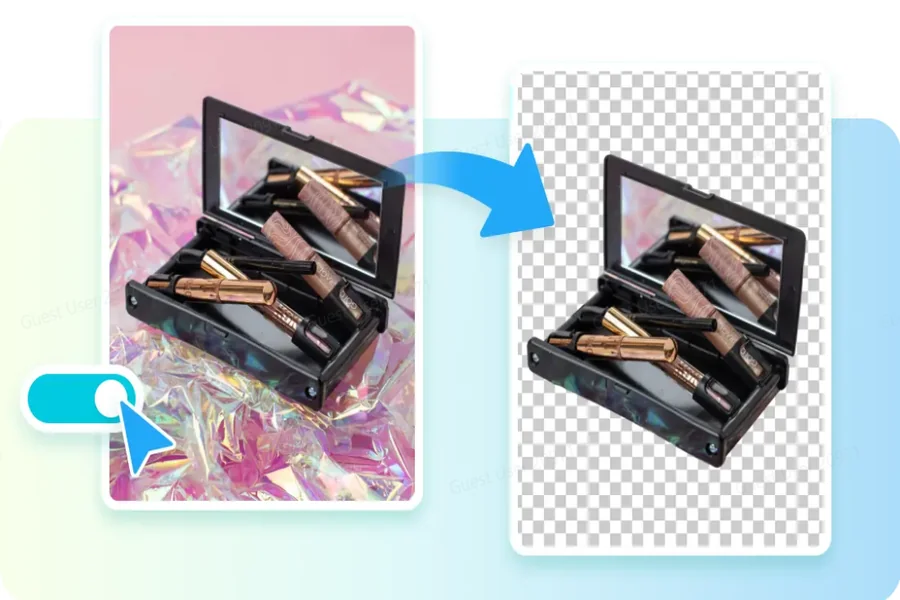
Watermarks are prevalent as authors download stock video or utilize trial software to obtain clips. These marks can contain logos, brand names, or promotional text in the frame. These overlays interfere with the look and the beauty of otherwise great footage, making it less professional. The watermark may not be relevant to the message, but it may also be distracting to the viewers. The traditional erasure tools required several editing platforms and masking solutions. Some of the artists had to spend hours cropping frames or manually redoing backgrounds. Modern AI editing tools simplify the process and reduce redundant workflow steps. Pippit is a one-stop solution for efficiently creating marketing content. The platform combines video editing, background replacement, and automatic frame adjustments in a single workspace. The producer can sharpen the video and eliminate unwanted overlays without affecting visual quality. A productive editing process eventually results in the publication of polished content across more channels in a shorter period of time.
Understanding Different Types of Video Watermarks
Video watermarks are different types, depending on the platform or media source. However, static watermarks are embedded in one corner or side, and they remain throughout the clip. These tend to be logos of companies or identifiers for stock platforms. Do not use opaque branding overlays that span the frame, though with less impact of transparency. Certain editing platforms render clips with moving or animated watermarks between transitions or scene changes. Watermarks on the platform are also automatically generated when videos are exported in the free or trial versions. Every watermark style requires a slightly different method for removal when editing. Adequate knowledge of watermark positioning helps identify the best method for cropping, masking, or background replacement.
Why Removing Watermarks Improves Content Professionalism
Clear images instantly build brand authority and increase viewers’ confidence in online media. Video editing remove text from video to make videos look original rather than pirated. Clear frames enable viewers to focus on storytelling, product specifications, or educational content. Watermarks may inadvertently indicate unfinished licensing or unfinished production processes. Eliminating these components yields a smooth presentation suitable for marketing campaigns and presentations. Professional images are also more effective on social media, where clarity and brand consistency are very important. The marketing departments frequently recycle edited videos for advertisements, product demonstrations, and educational demonstrations. Good visuals will ensure a consistent brand image across the video channels.
Techniques Used by AI Tools to Remove Watermarks
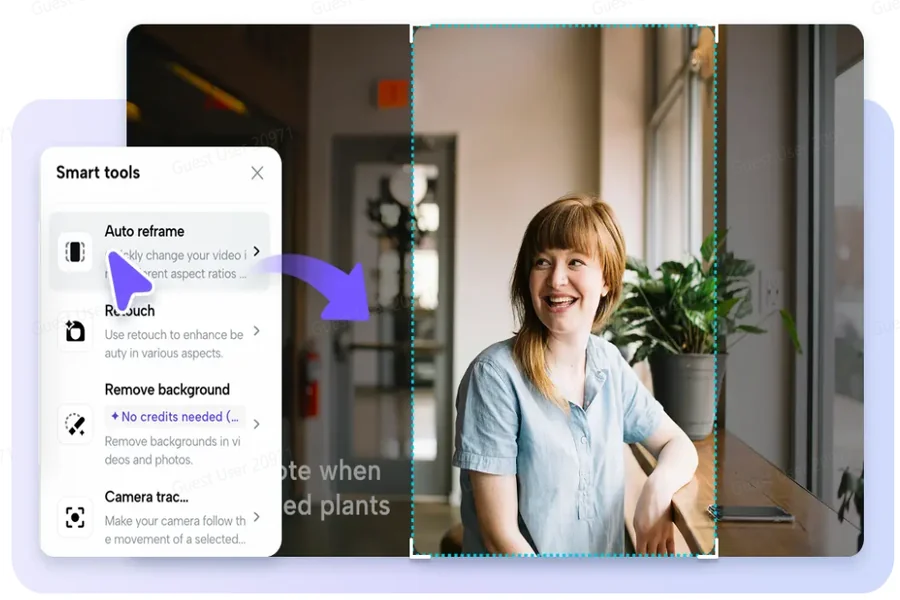
The AI-based editing tool uses a variety of methods to remove watermarks without altering the original footage. Smart cropping removes frame edges where logos or captions are often placed. Automated framing systems keep the main subject in the frame after damaging modifications. Background replacement platform identifies foreground objects and eliminates undesired overlay pieces. Freeze-frame masking is a technique that pauses certain frames and overlays small logos or graphical effects on them. Other editors combine the textures of adjacent pixels to naturally recreate damaged regions. These processes are much less manual than traditional frame-by-frame editing. Pippit incorporates most of these clever adaptations into a single editing environment.
Steps to Remove Text From Video to Erase Watermarks Without Extra Software
Step 1: Access the Pippit editor and upload your watermarked video
-
To remove unwanted watermarks easily, create a Pippit account using Google, TikTok, or Facebook credentials.
-
After logging into the dashboard, choose “Video Generator” from the left panel menu.
-
From the popular tools section, open “Video editor” to enter the main editing interface.
-
Drag your video file into the workspace area to begin editing without installing software.
-
You may also click “Click to Upload” and import the watermarked video from your PC.
Step 2: Use automated tools to erase watermark text elements
-
Inside the workspace, navigate to “Smart tools” and select “Auto reframe” from the options.
-
Adjust the “Aspect ratio” according to the social platform where the edited video will appear.
-
Choose “Manual crop” or “Auto reframe”, then click “Apply” to refine visible footage.
-
This method automatically removes watermark overlays, captions, and typeface distractions from the video frame.
-
Additionally, select “Remove background” and enable “Auto removal” to eliminate areas containing text.
-
Then open “Background” and replace the removed section using solid colors or stock footage.
Step 3: Save the watermark-free video and publish anywhere
-
When the editing process finishes, click “Export” in the upper corner of the interface.
-
Select “Publish” for online sharing or choose “Download” to store the cleaned file.
-
Customize export settings, including format, frame rate, resolution, watermark options, and output quality preferences.
-
Press “Export” again to finalize the download, or share the video online.
Situations Where Watermark Removal Is Most Useful
Watermark remover finds application in diverse professional content editing. In cases where marketing teams launch new promotional videos, they tend to use older ones. Old overlays are removed, meaning that you do not always need new footage to update existing material. Advertisement stock clips must also be cut to fit into the brand identity requirements. Such presentation videos tend to need images to be believable in business presentations. The social media sites favor polished content that does not have distracting graphics or superfluous text boxes. Video producers are also altering the existing clips to fit different audiences or channels of distribution. Eliminating redundant overlays renders both versions of the version readable and visually consistent.
Benefits of Using Pippit Instead of Multiple Editing Tools
Pippit presents a cohesive editing platform designed for effective visual production processes. High-tech functions like background editing can be used as a transparent background maker, allowing scenes to be replaced seamlessly. Cropping, overlay masking, and export settings are integrated into a single interface, making editing easier on the platform. Editors do not have to switch between multiple applications; they can work on each step in the same dashboard.
-
All-in-one editing interface
Performs cropping, removes text, and replaces backgrounds all within the same workspace. Eliminates the need to switch between platforms when editing workflows.
-
AI auto-reframe technology
Framing automatically adjusted to eliminate corner overlays without centering the subject. Helps maintain the composition balance following the cropping adjustments.
-
Background editing capabilities
Replaces areas containing unwanted overlays with new visuals or solid backgrounds. Produces smooth scene transitions without noticeable editing artifacts.
-
Fast export workflow
Videos may be published online or downloaded immediately after editing. Economizes on time loss when moving files across various software applications.
-
High-resolution output support
Edited footage does not lose clarity when cropped or masked. Professional marketing campaigns and branded visuals are appropriate.
Conclusion
Watermarks can degrade the quality and professionalism of video content. Crystal-clear footage enables viewers to focus on communication rather than a distracting overlay. The use of AI-driven editing platform makes the removal process of watermarks more complex. Pippit offers a single platform for cropping, editing backgrounds, and exporting edited videos. The platform helps creators maintain visual clarity without downloading multiple editing platforms. Automated modifications and efficient tools help speed up marketing teams’ production schedules. High-resolution exports ensure the edited clips can be used in professional publishing. An efficient workflow ultimately contributes to the uniformity of video materials across all distribution channels.

