
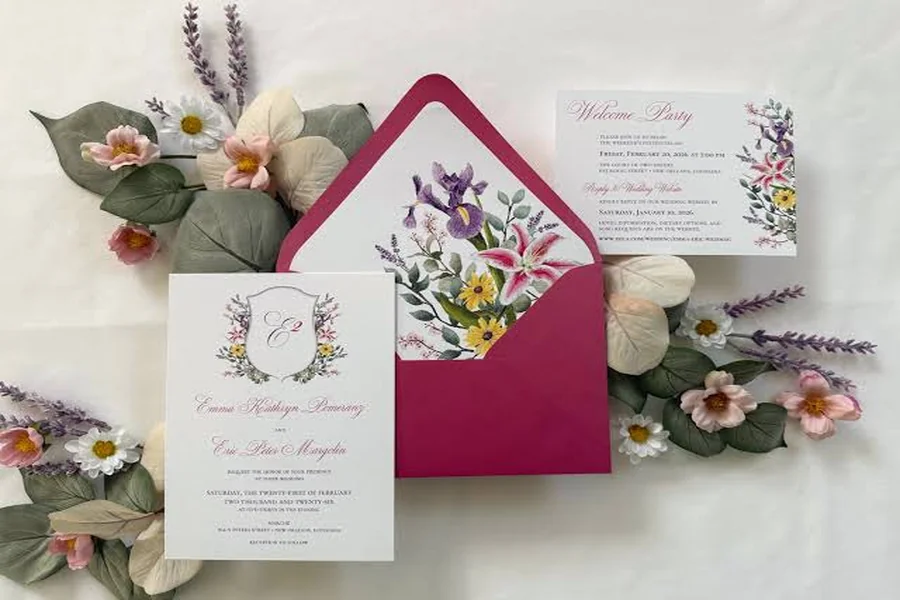
Wedding stationery has moved beyond formal paper and matching envelopes. Couples now look for tactile details that feel personal, useful, and budget-aware. Stamped invitations meet this need by offering texture, a repeatable design, and a handmade quality that guests notice quickly. A small mark can connect invitations, reply cards, menus, tags, and thank you notes without making every piece feel overly produced or costly.
Why Stamped Details Feel Personal
Paper choices often set the first impression, yet surface details shape how that paper feels in hand. A soft floral mark, ring motif, or date impression can create rhythm across the set. Many couples use a wedding rubber stamp to add repeated artwork to envelopes, favor tags, and keepsake cards while keeping each impression slightly distinct.
Small Marks Create Visual Order
Stationery can include invitations, enclosure cards, maps, envelopes, liners, programs, menus, and place cards. Without a shared detail, that mix may feel scattered. A stamped accent gives every piece a clear link.
One simple motif can act like a visual thread. Rings can suit formal cards. Flowers can soften plain stock. Champagne, cake, or church illustrations can support a more classic event style. The key is scale. A half-inch mark works well on tags, while a larger image suits envelope backs or invitation corners.
Consistency Without Heavy Printing
Custom printing usually works best when every item is finalized at once. Weddings rarely stay that tidy. Guest counts shift, meal cards change, and extra envelopes appear late.
A stamp helps fill those gaps. The same design can be used in small batches as plans change. That reduces waste and gives paper goods a coordinated finish, even when pieces are produced at different times.
Texture Is Driving Stationery Choices
Flat printed designs can look polished, yet many couples want paper that feels more personal. Stamping adds slight pressure, ink variation, and visible texture. Those minor differences make each item feel handled with care.
This effect matters because invitations are physical keepsakes. Guests may open the envelope once, but families often save the card for years. A stamped detail gives that keepsake a craft quality without requiring hand illustration on every copy.
Ink also changes the tone. Black feels crisp. Brown suits kraft paper. Soft blue or green can support garden settings. Metallic pigment ink can add formality, though drying time should be tested before mailing.
Practical Value For Wedding Budgets
Stationery costs rise through quantity, paper upgrades, envelopes, postage, and last-minute reprints. Stamped details help control those costs because one tool can serve many pieces.
A single design can mark fifty, one hundred, or two hundred envelopes with the same core look. It can also be used after the event on thank you cards. That extended use gives the detail more value than a one-time printed accent.
Couples can also mix printed and stamped elements. The main invitation may stay professionally printed, while envelopes, belly bands, tags, and programs carry stamped decoration. This approach keeps the formal pieces clean and lets smaller items feel more personal.
Paper And Ink Choices Matter
Clean results depend on pairing the stamp with the right surface. Smooth uncoated paper usually accepts ink well. Kraft stock gives a rustic feel, though fine lines may soften slightly. Textured cotton paper can look elegant, but it should be tested first.
Ink should match both paper and timing. Quick-drying ink supports large batches. Pigment ink gives richer color, yet it needs more drying space. A test sheet helps reveal smudging, uneven pressure, or poor contrast before the full set begins.
Conclusion
Stamped invitations show how small choices can change the feel of wedding stationery. They bring order, texture, and personality to paper goods without making the process too expensive or rigid. Couples can use one motif across many items, from envelopes to thank you notes, while still leaving room for human variation. That balance of control and charm explains why stamped details continue to shape modern wedding paper.

