
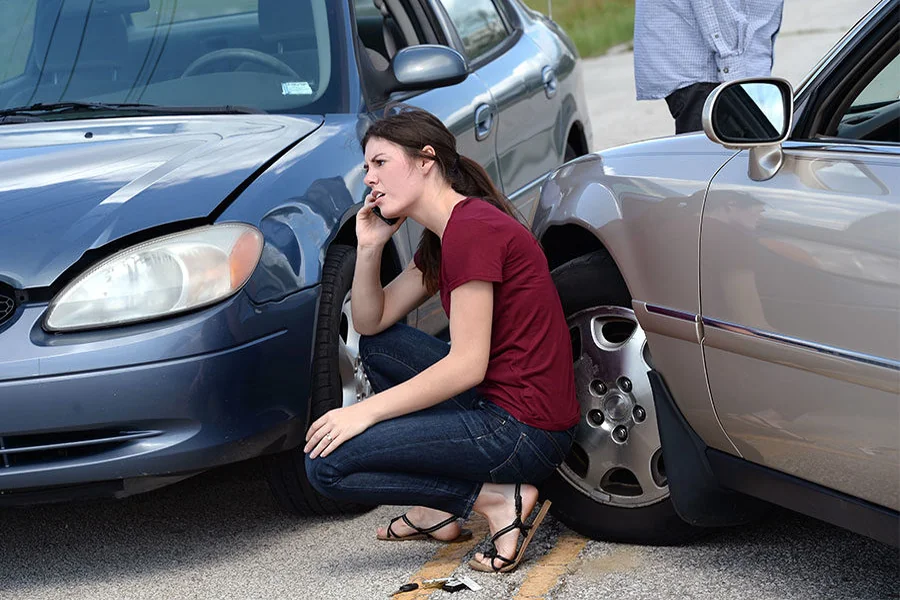
Every year, Toronto sees more than 60 crashes every single day. That’s over 22,000 collisions annually, and the numbers aren’t decreasing. Car accidents have become an unfortunate part of city life, along with weather issues, distracted driving, and crowded intersections. And when it happens to you, the stats don’t matter—what matters is how quickly everything spirals from normal to chaos. One second, you’re heading home; the next, you’re sitting roadside, heart racing and unsure of what to do.
If you’ve recently been involved in one, knowing what to do next can feel like its own kind of emergency. That’s why we’ve put together straightforward guidance from a car accident in Toronto, covering the exact steps to take following a vehicle accident. This isn’t about guesswork or vague advice—it’s about protecting yourself from the start. The right moves in those first moments can save you time, stress, and possibly even your case. This guide is designed to provide clear and concise steps to follow after an accident, giving you peace of mind amid the stress.
Ensure Safety First
Regardless of the accident, safety is always the primary concern. When possible, place vehicles out of the flow of traffic. Driving with hazard lights on and placing warning triangles away from the vehicle can help warn others, preventing more incidents. Check for injuries to passengers and drivers, and get medical help if needed. Wasting time may leave a significant gap in ensuring everyone is well.
Contact Authorities
It is also important to contact law enforcement as soon as the situation is safe. A police report is official documentation of the car accident, and most insurance companies require a copy when processing the claim. An officer will document the scene, take witness statements, and check for any laws that may have been broken. Clarifying these statements ensures that the report supports any future claims by providing only accurate information without implications of fault.
Exchange Information
All involved parties should be provided with vital information to help resolve any ardent disputes. Names, phone numbers, insurance companies, and VINs. It is also helpful to take photos of your driver’s license and insurance cards. Furthermore, photographing the accident scene documents the accident by providing evidence of where vehicles were located, road conditions, and any damages.
Seek Medical Attention
While you may not be currently injured, it is still a good idea to be medically assessed. Some injuries are not immediately apparent, and a professional evaluation will help identify hidden problems early on before things become serious. Additionally, they are part of the evidence regarding future-related health claims. Taking care of your health accelerates recovery and acts as evidence of any injuries that may occur.
Notify Your Insurer
Notify the insurance company immediately of the accident so that the claim form remains easy to fill out. It helps if you also give them the details of what happened, like the police report number, so that they can keep the records straight. Insurance reps usually help policyholders with the process and assist in claims and repair management. It also avoids having to deal with regulatory roadblocks later on.
Document the Incident
Well-documented information can help you protect your rights and interests. In addition to photographic evidence, writing down personal notes about the accident can help recall specific details later. It emphasizes contextual information about the incident, such as weather conditions (e.g., rain, fog), road signage, time of day, etc. Having a repository of documents means you have all the information at hand when referring to it.
Consult Legal Advice
Legal advice offers clarity and guidance in complicated cases. Lawyers can provide guidance on rights and obligations and help if other legal processes need to be involved. Professionals can help you with anything from understanding liability issues to dealing with insurers; their advice can be worth its weight in gold. They also ensure you make informed decisions every step of the way.
Follow Post-Accident Procedures
The post-accident protocol ensures compliance with the laws. It includes things like getting your car repaired, attending medical follow-ups, and going through the process dictated by the insurance company. The best thing to do is to stay organized and be proactive about sorting things out as soon as possible to avoid disrupting your daily life. Regular communication with everyone can keep the process moving along.
Focus on Mental Health
Aside from the physical impacts of needing to go through rehabilitation, accidents carry emotional baggage, impacting mental health and well-being. Awareness and acknowledgement of these emotions are essential for the recovery process. It promotes healing your feelings by turning to those around you, such as family, friends, or professionals, for support. Calming down and building healthy habits would also help speed up the process of recovering emotionally.
To Sum Up
Having a step-by-step guide on what to do after being involved in an accident is a boon. When this is clear, it is much easier to handle the post-accident situation calmly, without dealing with an overload of stress and confusion. A crucial tactic in a medical practice crisis is preparation and knowledge, which provide comfort and transparency under challenging situations.

