

Dentistry has always been about more than teeth—it’s about health, confidence, and quality of life. Over the past decade, however, a quiet revolution has been unfolding in a dental clinic in Albania. Fueled by rapid advances in digital technology, modern dentistry is transforming into a patient-centered, precise, and often pain-free experience.
Digital Smile Design: Visualizing Confidence Before Treatment
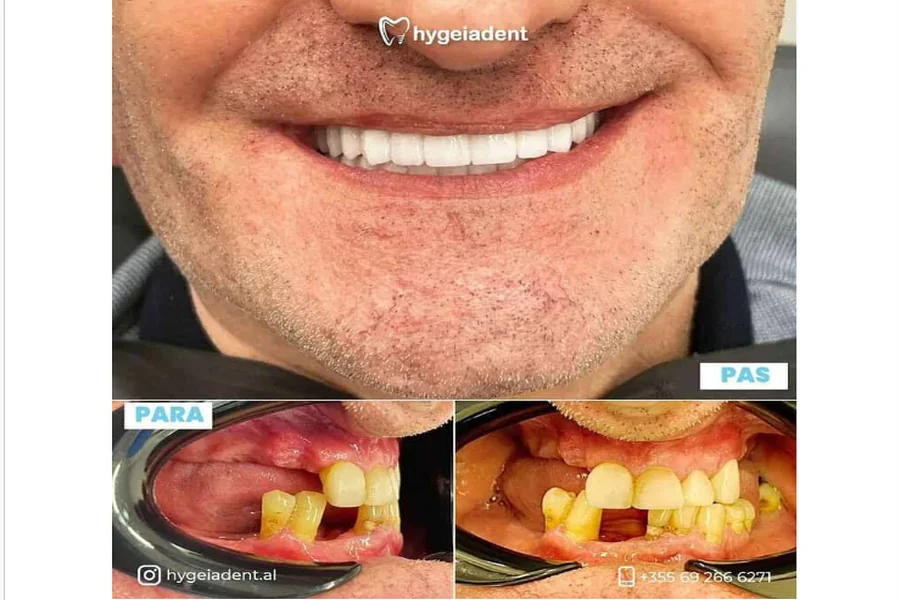
One of the most exciting innovations is Digital Smile Design (DSD). Using advanced imaging and 3D modeling, dentists can now show patients exactly how their smile will look before treatment even begins. This not only builds trust but also empowers patients to play an active role in shaping their results.
Imagine walking into a clinic with doubts about veneers, implants, or orthodontics—and walking out with a digital preview of your future smile. That’s the power of DSD.
3D Printing: From Concept to Reality
3D printing has leapt from futuristic labs into everyday dental care. Crowns, aligners, surgical guides, and even full dentures can now be designed digitally and printed in a matter of hours. This reduces waiting time, improves precision, and makes treatments more cost-effective.
For patients, it means fewer visits, faster results, and customized solutions that fit perfectly—literally and figuratively.
Artificial Intelligence in Diagnostics
Another breakthrough is the integration of artificial intelligence (AI) in diagnostics. AI-powered imaging systems can detect cavities, gum disease, and even signs of oral cancer earlier than ever before. Early detection leads to simpler treatments, improved outcomes, and potentially life-saving interventions.
At the same time, AI assists dentists by minimizing human error and ensuring nothing is overlooked in X-rays or scans.
Teledentistry: Care Without Borders
The pandemic accelerated the rise of teledentistry, allowing patients to consult with specialists remotely. Follow-up visits, preliminary assessments, and even post-surgery check-ins can be done online, reducing barriers for those in remote areas or with mobility issues.
Teledentistry is making oral health care more accessible, breaking down geographic and economic barriers.
What This Means for Patients
For patients, these technologies are not just flashy gadgets—they translate into comfort, speed, and confidence. Shorter appointments, less invasive procedures, and predictable results all add up to an experience where dentistry feels less intimidating and more empowering.
Digital technology is revolutionizing modern dentistry, offering enhanced precision, faster treatments, and improved patient experiences. From 3D imaging and digital X-rays to intraoral scanners, these tools enable more accurate diagnoses and personalized care plans. Virtual consultations are making dental visits more accessible, while AI-driven software is optimizing treatment outcomes. Additionally, advancements in dental implants, CAD/CAM systems, and 3D printing are making procedures faster, more cost-effective, and less invasive. As digital technology continues to evolve, the future of dentistry promises even more efficient and comfortable treatments, ensuring healthier smiles for everyone.
Conclusion
The future of smiles is digital, and it’s already here. With tools like Digital Smile Design, 3D printing, AI diagnostics, and teledentistry, dentistry is no longer just about fixing problems—it’s about creating healthier, more confident lives.
As these innovations continue to evolve, patients everywhere can look forward to a new era where their dental journey is as comfortable and rewarding as the results they achieve.
