
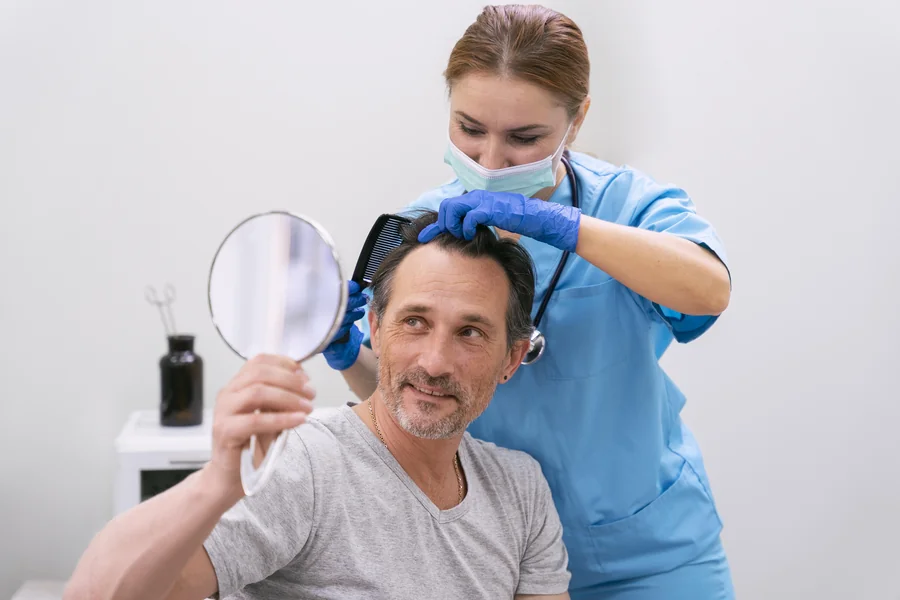
A hair transplant is a life-altering step toward restoring your appearance and confidence. Surgery isn’t enough to achieve the best outcomes; it’s aftercare that can lead you to the path of recovery. From early phases to the end result, there’s a series of guidelines that you must follow.
Don’t you know how you can ensure complete recovery after your hair transplant? Stay with us to discover the top ways, along with some dos and don’ts, below.
Inquire About the Hair Transplant Recovery Timeline
On top of all, research the phases of recovery you can expect after your hair transplant procedure. This timeline is crucial. It must outline when you might see initial results and when full results may be visible. Once you know it, you can set realistic goals for your journey to a full head of hair.
Be Patient and Manage Expectations
Are you from Turkey, and have you had your hair transplanted? Be patient, recovery takes time. After undergoing a hair transplant in Turkey, hair growth varies from person to person. So, manage your expectations; you can appreciate the gradual journey. Don’t just focus on the end result.
Know How to Reduce Swelling, Pain, and Other Discomforts
With a few proactive measures, you can manage post-transplant discomfort. Be aware of effective strategies—such as applying cold compresses or taking prescribed medications—that will reduce swelling and pain. Seek advice on these techniques; your recovery will go more smoothly, boosting your comfort and ease.
Establish a Hair Care Routine
It’s strongly advisable to establish a dedicated hair care routine within weeks after your transplant. Reach out to your surgeon. Ask when and how to wash and treat your hair. Sticking to the professional guidelines will ensure optimal healing.
With time, you’ll see improvements in your hair growth and feel more comfortable throughout the recovery process.
Think Positively
Your recovery experience depends heavily on your mindset, so think positively. Surround yourself with supportive friends and family. Celebrate small milestones along the way. Remember, a positive outlook can enhance your emotional well-being and speed your recovery.
Other Key Recovery Guidelines
| Dos | Don’ts |
| Sleep with your head elevated at a 45-degree angle. Do it for the first 3-5 nights to minimise swelling. | Don’t touch or scratch the treated area. Otherwise, this can dislodge grafts or cause infection. |
| Stick to washing instructions, typically starting 48-72 hours after surgery with a gentle, low-pressure rinse using prescribed or baby shampoo. | Don’t engage in strenuous activities, heavy lifting, and intense exercise for at least 10–14 days, as it’s necessary to prevent excessive sweating and increased scalp blood pressure. |
| Stay hydrated and eat a balanced, nutrient-rich diet (including protein, vitamins, iron, zinc, and omega-3 fatty acids) to ensure complete healing. | It’s strongly advised to avoid direct sunlight for the first few weeks. Use a loose-fitting hat for protection when you go outside after the initial critical period (check with your doctor). |
| Take medications as prescribed to manage pain and swelling and to prevent infection. | Don’t use hair dryers, styling products (gels, sprays, etc.), or hair dyes for at least a month after the hair transplant procedure. |
| To monitor your progress and discuss any concerns regarding your hair growth, attend follow-up appointments. | Until you recover properly, avoid swimming in pools or the sea, as well as saunas and steam rooms, for at least a month. |
Wrapping It Up
The long and short of all that is to stay positive, stick to your surgeon’s advice, be proactive, and ensure consistency in your hair care routine. Never rush; otherwise, you’ll have to bear severe side effects and infections for longer.
