
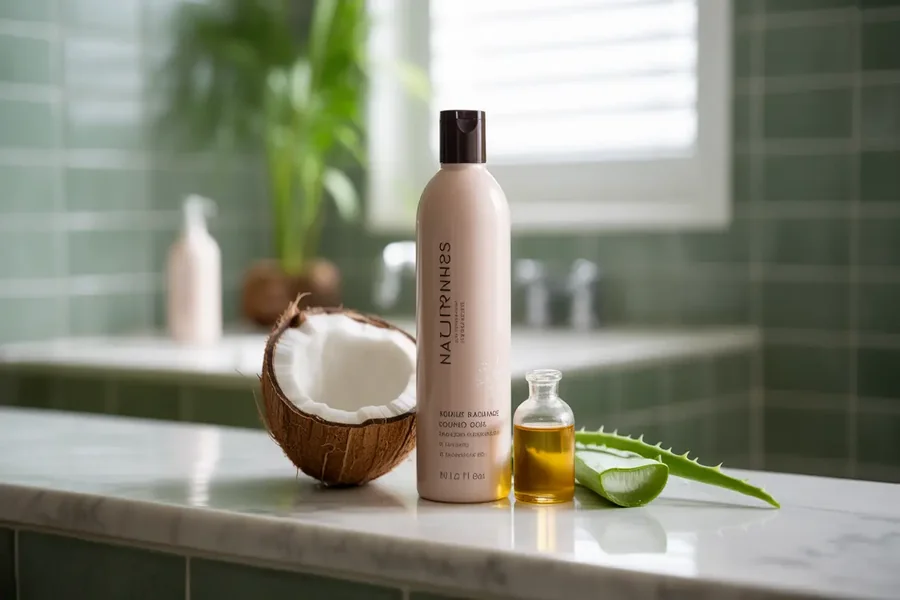
Navigating the world of hair care can be confusing, especially when terms like “natural” and “organic” are used everywhere. As consumers demand cleaner ingredients, many brands are partnering with private label shampoo manufacturers to develop new lines that meet these standards. If you’re looking to make the switch to organic shampoo, you’re not alone. This guide will demystify what “organic” really means and help you choose the best product for healthy, beautiful hair.
What Makes a Shampoo Organic?
The term “organic” is more than just a marketing buzzword; it refers to specific standards for how ingredients are grown and processed. For a shampoo to be truly organic, its ingredients must come from farms that avoid synthetic pesticides, fertilizers, and genetically modified organisms (GMOs).
Key Characteristics of Organic Shampoo
- Certified Ingredients: True organic products often contain ingredients that are certified organic by a recognized body, such as the USDA. This certification guarantees the purity and origin of the plant-based components.
- No Harsh Chemicals: Organic shampoos are formulated without common synthetic chemicals. This means you won’t find sulfates, parabens, silicones, or artificial fragrances on the ingredient list.
- Plant-Based Formulas: The core of an organic shampoo is its use of botanicals. Ingredients are derived from plants, fruits, and essential oils, all grown and harvested according to organic farming principles.
It’s important to distinguish between “organic” and “natural.” While natural shampoos also use plant-derived ingredients, “organic” implies a stricter set of rules regarding farming and processing.
Benefits of Organic Shampoo
Switching to an organic shampoo can have a positive impact on both your hair and the environment. By eliminating harsh synthetic chemicals, you’re choosing a gentler, more nourishing approach to hair care.
Gentler on Your Scalp and Hair
Without harsh detergents like sulfates, organic shampoos cleanse your hair without stripping it of its natural oils. This can lead to a more balanced scalp, reduced irritation, and less dryness. Over time, your hair may feel softer and look healthier because its natural moisture is preserved.
Nourishment from Nature
Organic shampoos are packed with beneficial ingredients. Plant oils like coconut and jojoba provide moisture, herbal extracts like chamomile and green tea soothe the scalp, and essential oils offer pleasant, natural fragrances. These ingredients provide vitamins, antioxidants, and minerals that nourish the hair from the root.
Better for the Environment
Organic farming practices are designed to be sustainable. They promote biodiversity, conserve water, and improve soil quality. By choosing organic products, you support a system that has a lower environmental impact compared to conventional farming that relies on synthetic chemicals.
How to Read Organic Shampoo Labels
The front of the bottle might make big promises, but the back tells the real story. Learning to read the label is the best way to ensure you’re getting a truly organic product.
Look for Certification Seals
The most reliable way to identify an organic product is to look for an official certification seal. A “USDA Organic” seal, for example, indicates that at least 95% of the ingredients are organic. Other seals might certify that a product is “made with organic ingredients,” meaning it contains at least 70% organic components.
Scan the Ingredient List
Ingredients are listed in order of concentration. In an organic shampoo, you should see recognizable, plant-based items at the top of the list. Look for things like aloe barbadensis (aloe vera) juice, cocos nucifera (coconut) oil, or lavandula angustifolia (lavender) oil. Be wary of products that advertise a single organic ingredient but are filled with synthetic chemicals.
Understand the Terminology
- Sulfate-Free: This means the product doesn’t contain harsh detergents like sodium lauryl sulfate (SLS).
- Paraben-Free: The formula does not use synthetic preservatives called parabens.
- Fragrance vs. Essential Oils: “Fragrance” or “parfum” on a label usually refers to a synthetic scent. Organic shampoos will list the specific essential oils used for fragrance.
Tips for Finding the Right Organic Shampoo for You
Just like with conventional shampoos, not every organic formula will be right for every hair type. Here’s how to find your perfect match.
Know Your Hair Type
- For Oily Hair: Look for organic shampoos with ingredients like tea tree oil, peppermint, or citrus extracts, which can help clarify the scalp and control excess oil.
- For Dry Hair: Seek out rich, moisturizing ingredients like shea butter, argan oil, and coconut milk to hydrate thirsty strands.
- For Fine Hair: Choose lightweight formulas with ingredients that add volume without weighing your hair down, such as lemongrass or rosemary.
Expect an Adjustment Period
If you’re switching from a conventional shampoo, your hair might go through a “detox” phase. It may feel different for a week or two as your scalp adjusts to the gentler formula and rebalances its natural oil production. Stick with it—the long-term benefits are worth it.
Don’t Worry About the Lather
Many organic shampoos produce less lather than their sulfate-filled counterparts. A rich foam isn’t necessary for clean hair. The gentle cleansers in organic formulas are effective at removing dirt and oil without the need for a mountain of suds.
By understanding what makes a shampoo organic and how to read the label, you can confidently choose a product that aligns with your values and gives you the healthy, vibrant hair you deserve.
