
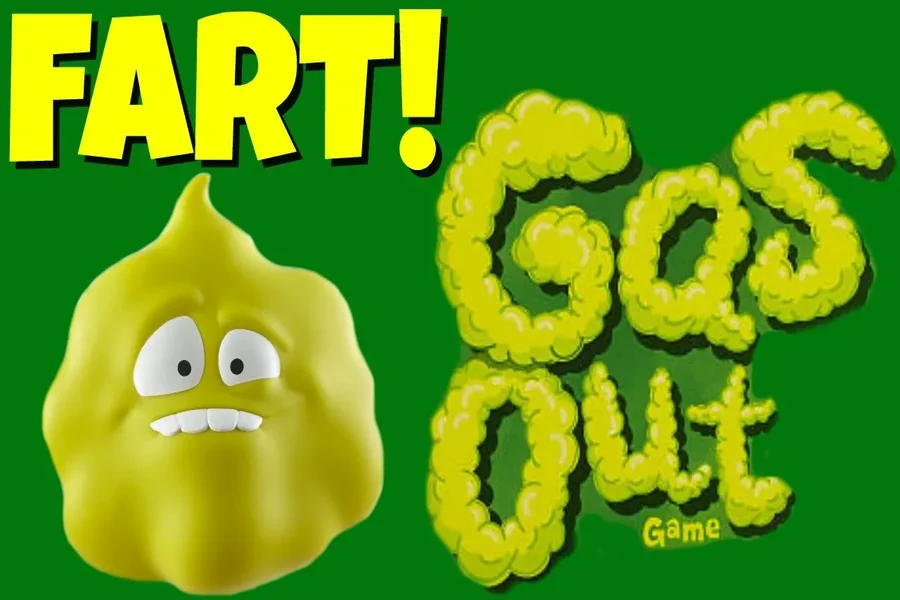
Flatulence as Digital Comedy
Why Games Embrace the Absurd
The Craft Behind the Comedy
The technical craft behind implementing these sounds reveals surprising complexity. Sound designers don’t simply record natural bodily functions and drop them into games; they create layered compositions that consider pitch, duration, reverb, and timing to maximize comedic impact. A well-crafted digital fart might combine multiple audio elements—the initial release, the sustained middle section, and the trailing fade—each carefully tuned to match the character’s size, the environment’s acoustics, and the moment’s comedic requirements. The difference between a cartoon-style “poot” and a thunderous rumble can completely change how players perceive both the character and the situation.
Flatulence as Character Development
Genre-Specific Approaches to Fart Humor
Different gaming genres employ flatulence humor with varying degrees of sophistication. In children’s games, these sounds often serve as simple reward mechanisms—completing a puzzle might trigger a silly noise that makes young players laugh and feel accomplished. Fighting games occasionally feature characters whose special moves incorporate bodily functions, turning what could be juvenile humor into legitimate gameplay mechanics. Adventure games might use unexpected flatulence as a way to subvert player expectations, breaking the fourth wall and acknowledging the medium’s capacity for absurdity.
Timing Is Everything
The timing and context of these sound effects can make or break their comedic impact. A fart noise that interrupts a tense stealth sequence might provide comic relief that prevents frustration from building, while the same sound during an emotional story moment could undermine the narrative’s impact entirely. Skilled game designers understand that comedy is all about timing, and they carefully orchestrate when and how these sounds appear to maximize their positive impact on the player experience.
Cultural Sensitivities and Global Audiences
Cultural considerations play a significant role in how developers implement these audio elements. What’s considered hilariously funny in one culture might be offensive or inappropriate in another, forcing international game studios to carefully consider their global audience. Some games include options to disable or modify these sounds for players who prefer a more serious experience, while others embrace them as core elements of their identity and brand.
The Psychology of Taboo Humor
The psychological appeal of scatological humor in gaming taps into something fundamental about human nature and our relationship with social taboos. Games provide a safe space where players can engage with crude humor without real-world social consequences. When fart sound effects are integrated thoughtfully into gameplay, they create moments of shared absurdity that can be particularly effective in multiplayer environments, where unexpected bodily noises can trigger genuine laughter and social bonding between players.
Tech-Enhanced Flatulence
Advanced audio technology has enabled increasingly sophisticated implementations of these effects. Modern games can dynamically adjust the acoustic properties of bodily sounds based on environmental factors—a character’s digestive outburst will sound different in a cathedral versus a small room, adding layers of realism (and absurdity) to the experience. Some games even allow players to customize or trigger these sounds manually, giving them direct control over when and how comedy enters their gameplay experience.
Silly Sounds with Serious Impact
The enduring popularity of flatulence humor in gaming reflects the medium’s unique ability to blend sophistication with silliness. While critics might dismiss these elements as lowbrow entertainment, they serve important functions in creating well-rounded, emotionally varied gaming experiences. They remind players that games can be spaces of pure joy and laughter, where the simple act of making ridiculous noises can transform a mundane moment into something memorable and delightful, proving that sometimes the most basic forms of humor are also the most universally effective.

