
Relocating overseas sounds exciting in the abstract, but the moment it becomes real, the to-do list grows legs. Suddenly you’re not just thinking about flights and a new address; you’re thinking about visas, bank accounts, phone plans, medical records, school documents, furniture, pets, tax, insurance and whether the thing you packed in box number four is exactly the thing you’ll need on your first night.
For Australians preparing for a move to North America, the planning can feel even bigger because the distance makes every decision more deliberate. You can’t easily pop back for a forgotten document or quickly move the rest of your belongings a week later, so the more organised you are before leaving, the calmer the first few months are likely to feel.
Sort documents before anything goes into boxes
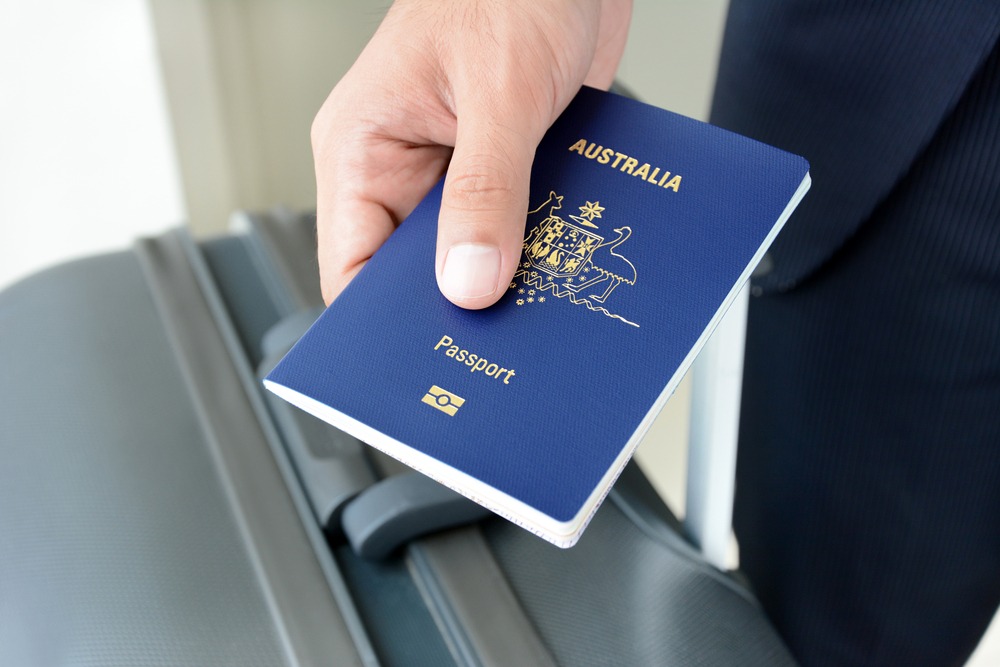
Paperwork is boring right up until the moment it becomes urgent. Passports, visas, employment contracts, birth certificates, marriage certificates, medical records, vaccination history, school reports, university transcripts, insurance documents and financial records can all become important during an international move.
Create secure digital copies and keep the originals somewhere easy to access during travel. Don’t pack essential documents into shipping boxes or storage unless you’re completely sure you won’t need them soon. A folder in your carry-on may not be glamorous, but it can save a lot of stress when someone asks for proof of something at the least convenient moment.
It’s also worth checking expiry dates early. Renewing a passport or chasing official documents is much less stressful when you’re not already counting down the final days before departure.
Decide what’s worth shipping
International moving forces a different kind of decluttering. Items that make sense in your current home may not make sense once you factor in shipping costs, delivery timelines, storage, new climate and the size of your future living space.
Furniture, quality household pieces, sentimental items and specialist equipment may be worth sending. Cheap, worn or easily replaced items may not be. The awkward category is everything in between: things you like, but don’t urgently need; things you may want later, but not in your first apartment; things you’re not ready to sell, but don’t want crossing the world immediately.
That’s where storage can buy you time. You don’t have to make every decision while surrounded by boxes and deadlines.
Plan the first few weeks carefully
The first month overseas is often the hardest because normal routines haven’t formed yet. You’ll need access to money, a local phone setup, transport, accommodation, basic kitchen items, work clothes, chargers, medication and whatever helps you feel human while your larger belongings are still in transit.
Think beyond arrival day. Pack for the first stretch of real life, not just the flight.
Prepare for practical differences
Banking, healthcare, rental processes, driving rules, tipping culture, school systems and workplace expectations may all differ from what you’re used to. A little research before arrival can make those first interactions feel less disorienting.
Give yourself a softer landing
An overseas move doesn’t need to be perfectly smooth to be successful. There’ll almost always be surprises, delays or moments where everything feels more complicated than expected.
The aim is to reduce the avoidable stress. When your documents, belongings, first-month essentials and major decisions are organised early, you give yourself more energy for the part that actually matters: settling into a new life.

