
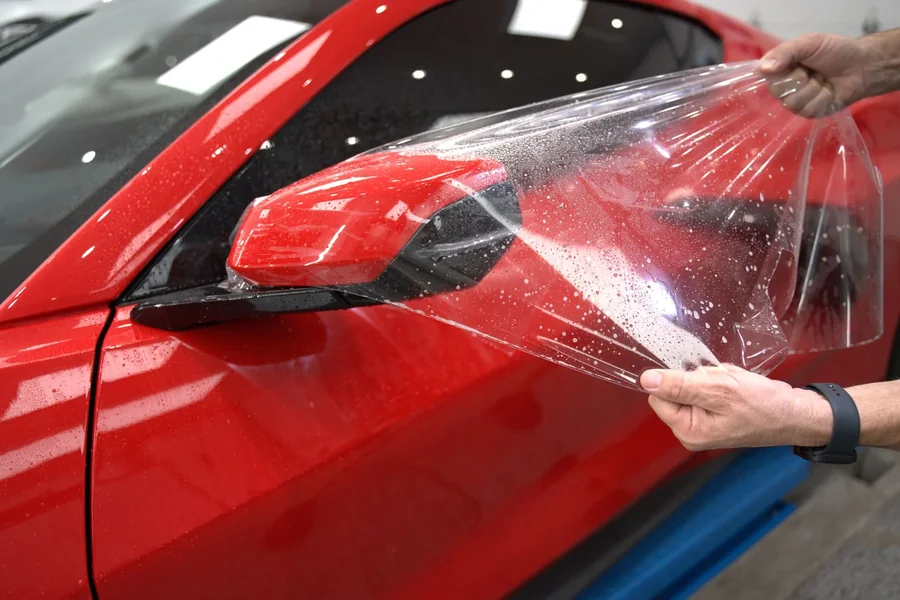
Paint Protection Film saves countless vehicles from scratches, chips, and environmental damage every year. Car ownership is transformed by this amazing transparent thermoplastic urethane shield. It’s a game changer, we’ve witnessed it firsthand. Your common paint worries become a thing of the past. But what happens when your PPF doesn’t deliver on its promises?
Car enthusiasts often invest in Paint Protection Film without a clear picture of the warranty coverage. The best paint protection film offers solid coverage, yet warranties differ between products and installers. The real value of paint protection film warranty coverage deserves a closer look. Installation quality plays a direct role in warranty validity, and the cost usually indicates how strong the guarantee will be.
PPF warranties: Here’s the lowdown. You’ll find what typical coverage includes, what stays excluded, and ways to ensure complete protection. Practical advice is included to help you maximize your warranty and investment. PPF helps maintain your vehicle’s resale value, while its self-healing properties make minor scratches vanish. That’s why understanding the warranty matters just as much as the protection itself.
What is a PPF Warranty and Why It Matters
A PPF warranty is a promise from manufacturers or installers that your Paint Protection Film will meet specific standards over a set time period. It’s like a safety net for your vehicle’s exterior investment. These warranties usually span between 5 and 10 years, based on film quality and manufacturer specs.
Understanding The Role Of Warranties In PPF
PPF warranties give you confidence that your vehicle’s protective film will last. They work like home insurance by protecting you financially against possible defects after installation.
PPF warranties come in two main forms:
- Manufacturer warranties cover defects in the film itself, such as yellowing, bubbling, and peeling
- Installer warranties protect against application issues and ensure the film works as expected
Your Paint Protection Film replacement would cost you the full amount without these guarantees. Car owners who value their vehicle’s looks need this protection.
Quality verification comes through the warranty itself. Better films usually have longer warranties. Ten years of coverage? That’s how much faith top brands have in their products lasting.
Car owners don’t have to worry about paint protection film installation risks with these warranties. You’ll know exactly who to contact and what to do if issues pop up later.
How Warranties Protect Your Investment
PPF warranties provide essential financial protection. Quality paint protection film costs quite a bit, but complete warranty coverage makes this investment more practical.
PPF warranties protect against:
- Material defects like yellowing, bubbling, cracking, or peeling from manufacturing issues
- Installation problems including excessive orange peel, lifting edges, or trapped debris
- Performance issues such as early degradation or protection failures
You’d need to pay twice for the same protection without warranty coverage. Product failures won’t lead to surprise expenses; these warranties have you covered.
A PPF warranty helps keep your vehicle worth more overtime. One industry expert says, “A properly applied and warranted PPF helps preserve your vehicle’s original paint, protecting it from scratches, chips, and environmental damage. This, in turn, helps maintain the vehicle’s resale value”.
You can transfer many warranties to new owners when selling your vehicle. Your car’s value will go up thanks to this. It’s a smart upgrade. Buyers feel more confident when paint protection stays under warranty.
The peace of mind is worth mentioning. You can enjoy driving with warranted paint protection film without worrying about minor scratches or road debris. You get both physical protection and peace of mind.
Take time to review warranty details before choosing your paint protection film. Look for warranties that cover normal use and explain maintenance clearly. Better warranty coverage usually comes with more expensive options.
It’s worth mentioning that even the best warranty needs proper care. Most agreements list specific maintenance requirements to keep your coverage valid.
Types of PPF Warranties Available
You’ll find several warranty options when buying Paint Protection Film. Coverage, how long they last, and the fine print, it’s all different. PPF warranties don’t all protect the same things, so you need to know these differences before spending your money.
Manufacturer Warranties
The companies that make the film material provide manufacturer warranties. If the film is faulty, these warranties will cover it. They protect against manufacturing imperfections.
Most manufacturers protect against common problems like:
- Yellowing or discolouration
- Bubbling and air pockets
- Cracking or splitting
- Peeling and delamination
- Loss of clarity or haziness
Premium brands back their ULTIMATE PLUS™ and STEALTH™ films with ten-year warranties against defects. The warranty length can be 5 to 10 years, based on film quality and brand reputation.
Manufacturer warranties only cover material defects, not installation issues. 3M has designed their warranty program around film quality and gives specific warranty cards for each product. Drivers get peace of mind knowing the film is built to last.
Your claim might get rejected without proper proof of purchase and certified professional installation. Don’t forget: these warranties demand consistent maintenance; otherwise, they may become void.
You must follow the manufacturer’s care instructions to keep your coverage valid.
Installer Warranties
Installer warranties are different from manufacturer coverage. Their assessment centred around the film’s application. A perfect application meant a perfect job.These warranties cover you if the installers messed up.
Paint protection film installers often guarantee:
- Proper adhesion to vehicle surfaces
- Clean application free of contamination
- Precise cutting and arrangement
- Edge sealing and finishing
The best installers back their work with solid warranties. You can get help if edges lift or bubbles show up because of poor installation rather than bad materials.
Each shop has different installation warranties. Some high-end installers give lifetime guarantees on their work. Others might only cover 1-2 years. This makes it harder to compare PPF costs between installers.
Some installers offer extra warranties beyond the manufacturer’s limited coverage. They’re clearly confident; their installations must be top-notch.
Third-Party Warranties
Third-party warranties add another option beyond manufacturer and installer coverage.
These usually come from:
- Vehicle dealerships bundling PPF with new car purchases
- Aftermarket protection plans from insurance companies
- Extended warranty providers specializing in automotive appearance products
These warranties mix manufacturer and installer coverage features. They might add extra benefits too. The claim process can be more complex though, and you might need to work with multiple companies.
Many third-party plans let you transfer the warranty. A transferable warranty adds value to your car if you sell it. Industry experts say “Your car’s resale value may increase if it has a transferable vehicle PPF warranty”.
The quality of your PPF installation determines which warranty matters most. Good installation means manufacturer defects become your main concern. Your PPF’s durability depends on both material quality and installation skill, making both warranty types valuable.
Conclusion
PPF warranties are the foundations of your investment in Paint Protection Film. You need to understand their coverage to protect your vehicle and wallet. This guide explains PPF warranties so car owners are informed before they get their vehicle wrapped.
Your warranty choice impacts how happy you’ll be later. The difference between a 5-year and 10-year guarantee might not seem vital today. You’ll value that extra coverage later though. Quality films with detailed warranties cost more initially but save money through extended protection.
Proper care affects your warranty validity directly. Basic maintenance like regular washing with the right cleaners helps. Quick stain removal and scheduled inspections keep your coverage intact. Following these easy steps will protect your film and keep your warranty valid.
Manufacturer and installer warranties make a big difference. Manufacturer guarantees cover material defects such as yellowing or peeling. Application problems are handled by the installer’s warranty; this is a significant benefit for consumers.
Reading warranty fine print takes time but prevents problems later. Following the guidelines on exclusions and maintenance ensures your film stays covered.
Knowing the claim process beforehand helps you save time if problems occur. Keep records of everything. Contact your installer right away and follow manufacturer guidelines carefully.
Handling problems is easier with these steps. Warranty claims go more smoothly.

