
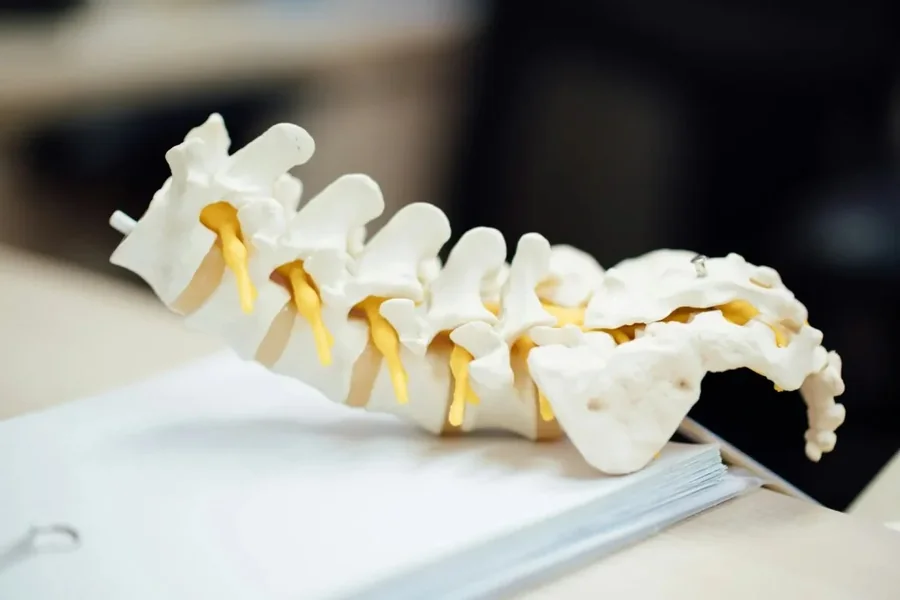
For many people, chronic back pain can be an ongoing and difficult problem. Facet joint injections are commonly used to reduce pain and provide relief. Whether you’re in a bustling city or a smaller town, access to effective pain management is critical to preserving your quality of life.
However, these injections do not always give the results needed. When this treatment does not provide enough relief, it is time to look for alternatives. This post discusses alternative methods and explores what next if facet joint injections don’t work for your specific situation.
Exploring Physical Therapy
Physical therapy makes a great alternative when first-line treatments do not work. Specific exercises and stretches can help strengthen the muscles that support the spine. Therapy, developed by a professional therapist, can provide a customized plan for unique needs. Increased flexibility and strength can lead to decreased pain and increased function.
Physical therapists also may use manual therapy or heat applications. These can promote increased circulation and decreased tension in the muscles, which contributes to well-being.
Trying Chiropractic Care
Another option for pain relief comes in the form of chiropractic care. One of the primary focuses of chiropractors is spinal alignment, relieving any pressure on the nerves. Gentle adjustments may relieve pain and restore function. They also advise on posture and ergonomics that can help to avoid further strain.
Chiropractic care is very holistic, meaning it addresses more than just symptoms. With adjustments and lifestyle suggestions, people could find a way to improve their spinal health.
Evaluating Medication Options
Medication may be an option to pursue when injections fail. Pain relievers can be taken on an over-the-counter basis for temporary relief. However, in the case of chronic pain, it is best to see a healthcare provider for prescription options. They may prescribe anti-inflammatory medicines or muscle relaxants.
Topical treatments, such as creams or patches, may provide localized relief in some instances. These options may be less invasive but can still offer a great deal of comfort.
Investigating Acupuncture
One treatment option that has been around for thousands of years and has grown in popularity more recently is acupuncture. In this method, thin needles are inserted into certain points in the body. It works well for many people in relieving pain and increasing relaxation.
This practice intends to balance the energy flow that is capable of promoting good physical and mental well-being. Acupuncture sessions are usually customized to your individual condition, making them a personalized form of treatment.
Exploring Psychological Support
Living with chronic pain can negatively impact mental health, causing stress or anxiety. According to the National Institute of Neurological Disorders and Stroke, chronic pain affects millions of Americans and can significantly impact emotional well-being, making comprehensive treatment essential. Connecting with a mental health professional can give people the tools to cope with these challenges. For instance, cognitive-behavioral therapy trains individuals in coping mechanisms and teaches them how to redirect their focus from pain.
Stress-reduction techniques such as mindfulness and meditation can also help enhance your quality of life. Support groups provide a community of people going through similar struggles and offer encouragement and shared experiences.
Considering Surgical Options
For patients who do not find relief from other treatments, surgery may be the last resort. Some surgeries can help address certain structural problems, such as spinal fusion or decompression surgery. A discussion with a specialist is essential to understand the risks and benefits of these procedures.
We usually recommend surgery only after exploring other options. You should thoroughly discuss potential benefits and risks, as well as the recovery time, with a healthcare provider.
Adopting Lifestyle Changes
Changing some of your daily habits could greatly help reduce any pain you may be experiencing. Maintaining a healthy weight puts less stress on the spine. Proper nutrition and exercise also help to keep the body healthy, reducing both symptoms and discomfort.
You can also make some ergonomic adjustments at home or at work to improve comfort. Proper support while sitting or standing goes a long way in not overburdening the back. Little things like supportive shoes or a good-quality mattress can make a significant difference.
Conclusion
When a facet joint injection does not provide adequate relief, it becomes time to search for alternative solutions. There is an array of options, ranging from physical therapy to surgical treatment, that can provide hope and help. Consulting with healthcare providers can determine the appropriate course of action based on individual needs. There are plenty of different alternative treatments, such as lifestyle changes and various therapies, that can help manage chronic back pain and provide relief for your body.
