
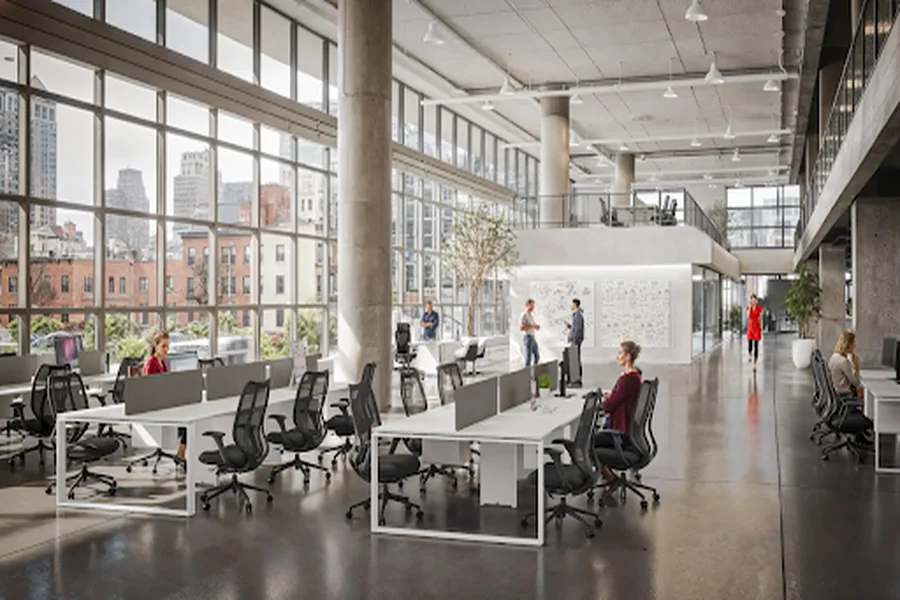
For years, workplace design followed a simple philosophy: remove walls, encourage collaboration, and create open environments where people could communicate more freely. While this approach improved teamwork, it also introduced an unexpected challenge. As offices became louder and busier, finding a quiet place to concentrate became increasingly difficult.
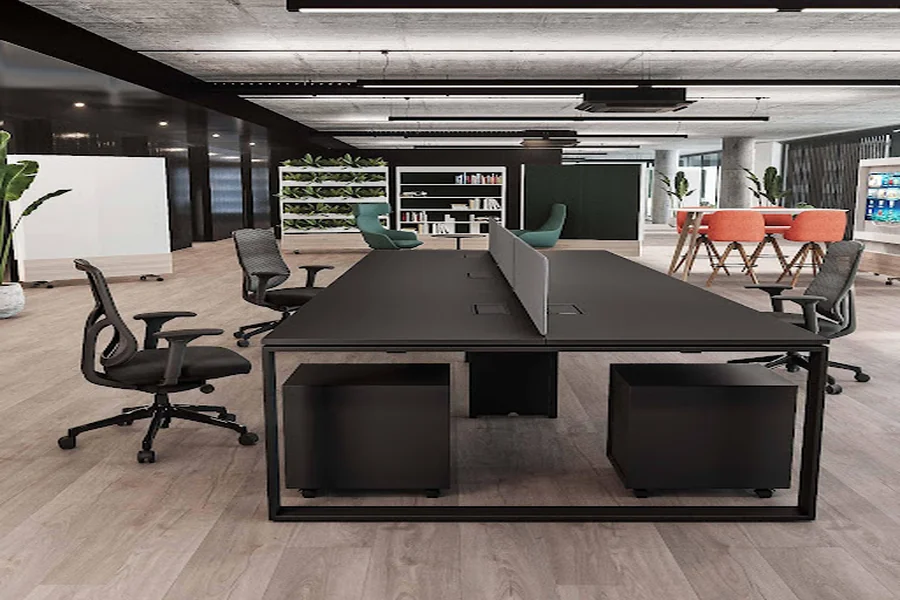
Today, businesses across Dubai, Abu Dhabi, and other major commercial hubs are rethinking what a productive office looks like. Instead of returning to rows of enclosed offices, many organisations are creating flexible workplaces that balance collaboration with privacy. This shift has increased interest in solutions such as smart office pods, with workplace specialists including Urban 411 Office Furniture helping businesses integrate dedicated spaces for focused work, private meetings, and hybrid communication without major office renovations.
The conversation is no longer about choosing between open or closed offices. It’s about creating environments that support different ways of working throughout the day.
The Hidden Cost of Constant Distraction
Modern employees switch between tasks more frequently than ever before.
A typical day may include focused project work, virtual meetings, collaborative discussions, client presentations, and confidential conversations. Performing all of these activities in a single open workspace often creates unnecessary interruptions.
Research into workplace productivity consistently shows that frequent distractions can reduce concentration and increase the time required to complete complex tasks. While collaboration remains important, employees also need environments where they can think without interruption.
Why Office Design Is Becoming More Flexible
The workplace has changed significantly over the past few years.
Hybrid work has altered how offices are used, with many employees visiting the workplace specifically for activities that cannot easily be completed from home. Collaboration, mentoring, brainstorming, and client meetings have become central reasons for coming into the office.
At the same time, employees still need quiet environments for video calls, detailed analysis, creative thinking, and confidential discussions.
Rather than constructing additional meeting rooms, many businesses are introducing adaptable spaces that can serve multiple purposes throughout the day.
Where Office Pods Fit Into Modern Workplaces
One of the biggest advantages of office pods is flexibility.
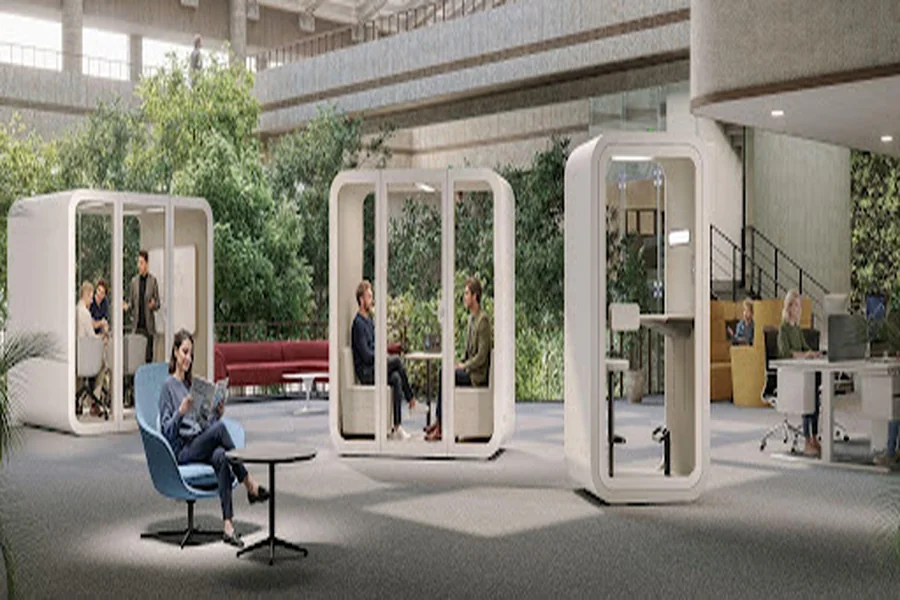
Unlike permanent construction, they can often be integrated into existing office layouts with minimal disruption. Depending on business needs, they can provide spaces for individual focus, virtual meetings, private phone calls, interviews, or small team discussions.
Because they are self-contained, many models also include acoustic insulation, integrated lighting, ventilation, power access, and comfortable seating, allowing employees to work without leaving the main office environment.
Supporting Employee Wellbeing
Workplace wellbeing is no longer measured only by ergonomic chairs or natural lighting.
Employees also value environments that reduce unnecessary stress and allow them to work comfortably throughout the day.
Having access to quiet spaces gives people greater control over how they work. Instead of competing with surrounding conversations or searching for an empty meeting room, they can choose a space that matches the task they need to complete.
Small design decisions like these often have a significant impact on employee satisfaction and productivity.
A Practical Solution for Growing Businesses
As organisations expand, their workspace requirements become more complex.
Building additional enclosed rooms may not always be practical, particularly in leased offices where flexibility is important. Businesses are increasingly looking for solutions that improve functionality without requiring expensive structural alterations.
This is one reason office pods have become increasingly common in corporate headquarters, coworking spaces, educational institutions, healthcare facilities, and technology companies.
They allow workplaces to evolve without requiring complete redesigns.
Looking Beyond Workplace Trends
The growing popularity of flexible workspaces reflects a broader shift in how businesses think about office design.
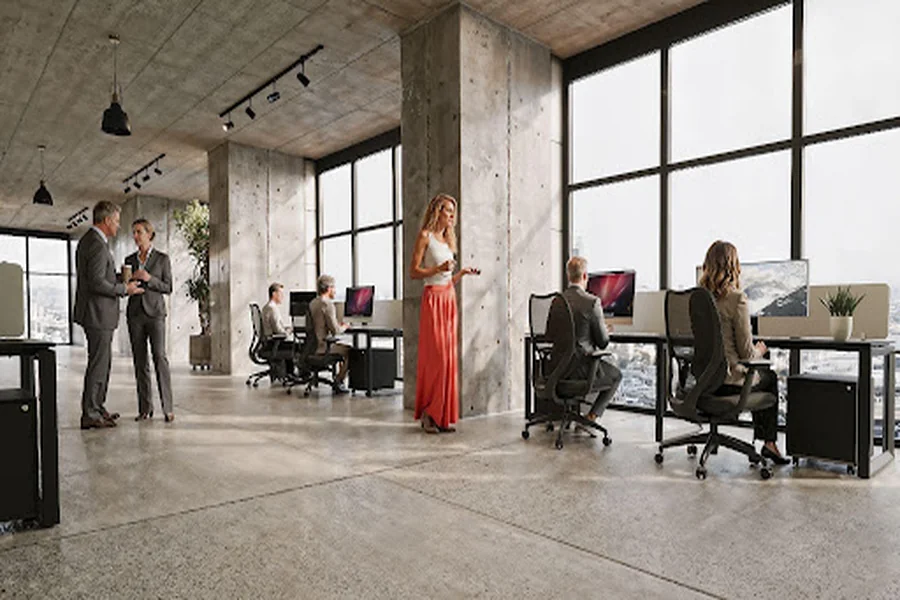
Rather than filling every square metre with desks, organisations are asking how each space contributes to employee performance, collaboration, and wellbeing. The most successful workplaces recognise that different tasks require different environments.
Creating spaces for both teamwork and focused work is no longer viewed as a luxury. It has become an important part of building offices that support modern ways of working.
Final Thoughts
Modern offices are becoming more adaptable because the way people work continues to evolve.
Businesses that combine collaborative workspaces with quieter environments are often better positioned to support productivity, employee wellbeing, and long-term flexibility. As organisations continue investing in smarter workplace strategies, solutions such as office pods are becoming an increasingly valuable part of contemporary office design, helping create workplaces that are ready for both today’s needs and tomorrow’s challenges.

