
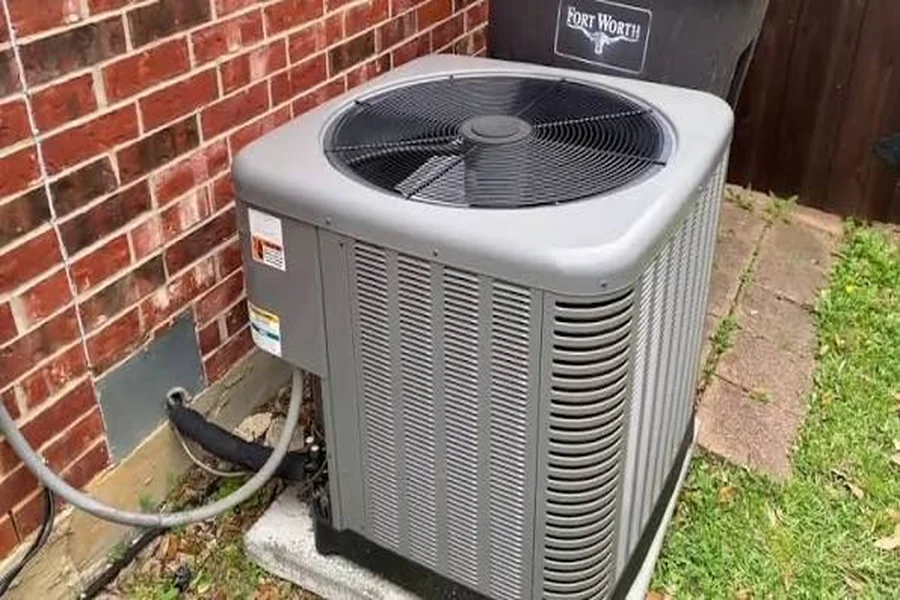
The installer’s truck pulls away, the new condenser hums on the pad, and by three in the afternoon the upstairs bedrooms are still sticky. The thermostat reads two degrees above the setpoint. The homeowner does what most people do: drops it another degree, then another. Nothing changes, except the electric meter.
A brand-new air conditioner that can’t hold a room is rarely a broken air conditioner. It’s the wrong air conditioner for that house. The math that decides which unit belongs where is called a load calculation, and skipping it is the single most common reason comfort complaints outlive the warranty.
Rule of Thumb or Real Math?
The first decision usually gets made without the homeowner knowing about it. A contractor can size a system by square footage and a shrug, or by running the numbers the industry actually recognizes. The standard method is Manual J, an ANSI-recognized procedure that accounts for the building’s envelope, insulation, window orientation, air leakage, ventilation, and the heat put off by people and appliances inside.
The trade-off looks appealing on paper. Rule-of-thumb sizing is fast and free; a real calculation costs a few hundred dollars and a day or two. That small line item is the one input that decides whether every other dollar in the project performs.
Homeowners who want the number done right can commission a third-party load calculation before signing a proposal, then compare bids against the same target instead of against each other’s guesses.
Bigger Is Not Safer
The instinct, especially after a bad summer, is to buy a size up. It feels like insurance. It behaves like the opposite. An oversized unit cools the air near the thermostat quickly, satisfies the setpoint, and shuts off before it has run long enough to pull real moisture out of the house. Then it starts again. And again. The room feels cold and clammy at the same time, the compressor wears out faster, and the bill climbs.
Undersized equipment runs constantly and never catches up on the worst afternoons. The point of the calculation is to land in the narrow band where neither problem shows up.
What Should a Quality Install Actually Include?
Sizing is the headline, but it isn’t the whole job. A system matched to the load can still underperform if the ductwork leaks, the refrigerant charge is off, or the airflow across the coil is wrong. Federal quality-install guidance warns against rule-of-thumb sizing and flags poor airflow as a direct cause of higher bills, damp indoor air, and rooms that never feel right. Before accepting the work, ask the contractor for four things in writing:
- The load calculation. A room-by-room Manual J worksheet, not a square-footage estimate scribbled on the back of the proposal.
- The equipment selection. The model numbers of the condenser and air handler, matched as a system, with capacity that lines up with the calculated load.
- The duct assessment. A check of duct sizing, sealing, and static pressure, with any repairs called out before the new equipment goes in.
- The commissioning report. Measured airflow across the coil and a verified refrigerant charge after startup, handed over on paper.
Retrofit or Replace In Kind?
The last decision hits homeowners at the worst possible moment, usually with a dead compressor and a hot house. The tempting move is to drop in the same size that was there before. If the last system short-cycled, ran up bills, or left rooms uneven, replacing it in kind reinstalls the original problem with new equipment.
Houses change. Windows get replaced, insulation gets added, additions get built, and trees grow in to shade a wall that used to bake. A fresh load calculation catches all of that.
Spend the two days. The unit that comes out of it will run quieter, keep the air drier, cost less to run, and, the part that matters at three in the afternoon, actually keep up.

