
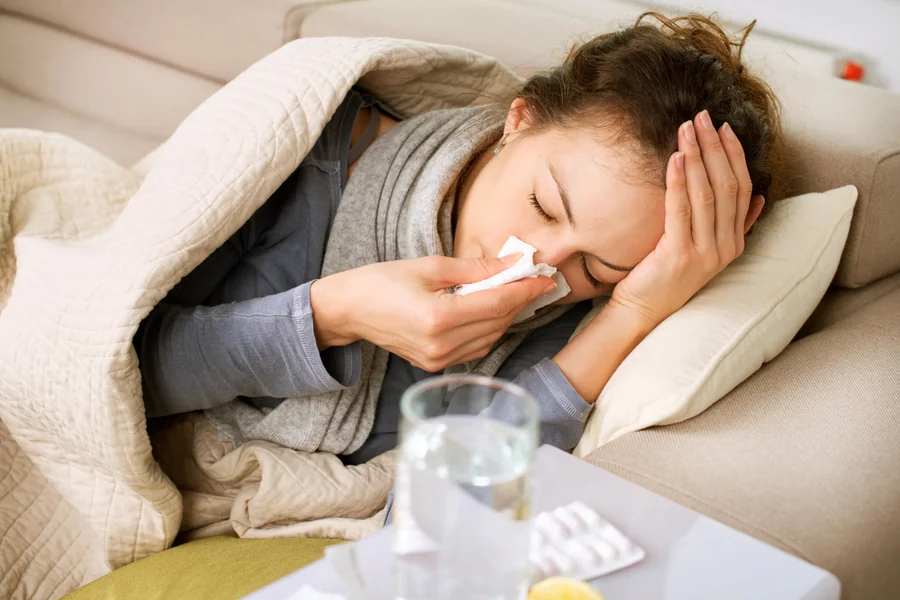
A persistent cold can mask a more serious winter viral illness like the flu or COVID-19. Ignoring it risks complications like secondary bacterial infections (e.g., pneumonia) and prolonged illness.
Every winter, outpatient clinics and hospitals across India see a surge in patients complaining of coughs, sore throats, and fever. While these illnesses are often mild, many cases turn into prolonged or recurring infections if neglected. The cold weather, pollution, and indoor crowding create ideal conditions for viruses to spread, especially in cities with poor air quality after the festive season. Consulting a general physician near me helps identify the cause early, prevent complications, and ensure faster recovery.
Why Are Viral Infections Common in Winter?
Cold, dry air affects your respiratory system’s natural defences. The nose and throat have mucous membranes that trap germs and filter out dust. During winter, these membranes dry out, making it easier for viruses like influenza, rhinovirus, and respiratory syncytial virus (RSV) to enter your body.
Crowded spaces such as offices, schools, and shopping centres allow airborne viruses to circulate more freely. Post-Diwali and New Year festivities also lead to increased exposure to smoke, sweets, and irregular sleep — all of which weaken immunity.
In cities like Delhi, Lucknow, and Mumbai, smog further aggravates the problem. Polluted air irritates the lungs and reduces oxygen exchange, making it harder for your body to fight infection.
Common Viral Illnesses During Winter
The Common Viral Illnesses during winter include:
- Common Cold: Runny nose, sneezing, and mild throat irritation caused by viral infection.
2. Influenza (Flu): Sudden high fever, headache, and muscle pain that can last up to 10 days.
3. Viral Fever: A broad category including dengue-like fevers or post-viral weakness.
4. Bronchitis: Persistent cough with mucus due to infection of the airways.
5. Pneumonia: Serious infection of the lungs causing breathlessness and chest pain.
6. COVID-19 and RSV: Still active in colder months, especially among children and the elderly.
Early Symptoms That Need Medical Attention
Visit a general physician near me if you notice:
- Fever above 101°F that persists beyond three days
- Breathing difficulty or chest congestion
- Throat pain or hoarseness that worsens over time
- Fatigue, muscle weakness, or body ache
- Wheezing or cough that disturbs sleep
A doctor available on Apollo 24 | 7, can examine your symptoms, run basic diagnostic tests, and determine whether it’s viral, bacterial, or allergy-related.
How General Physicians Diagnose and Treat Winter Infections?
Diagnosis typically involves:
- Physical examination of the throat, chest, and nasal passages.
- Rapid antigen tests for flu, RSV, or COVID-19.
- Blood tests to measure infection and inflammation levels.
- Chest X-ray if pneumonia or bronchitis is suspected.
Treatment is usually supportive — rest, hydration, and medications to reduce fever and inflammation. Antivirals may be prescribed for confirmed influenza, while antibiotics are reserved for bacterial infections only.
Home Remedies and Self-Care Tips
Home remedies and self-care tips includes:
- Stay Warm and Rested: Adequate sleep strengthens immune response.
- Drink Warm Fluids: Soups, herbal teas, and warm water soothe the throat and prevent dehydration.
- Gargle with Salt Water: Helps ease sore throat and clear mucus.
- Use Steam Inhalation: Opens nasal passages and relieves congestion.
- Include Immunity-Boosting Foods: Citrus fruits, amla, turmeric, and ginger support natural defence.
- Avoid Cold Drinks and Processed Foods: These can worsen cough and throat irritation.
- Avoid Self-Medication: Overusing antibiotics can reduce future effectiveness.
Why Prevention Is Better Than Cure?
The best protection against winter infections lies in prevention. Simple steps like regular handwashing, avoiding contact with sick individuals, and maintaining indoor hygiene go a long way. For those at higher risk such as seniors, diabetics, and individuals with asthma annual flu vaccines are highly recommended.
Children should also be kept warm, well-fed, and hydrated. Since they have developing immune systems, viral fevers and coughs can quickly worsen without care.
Additionally, maintaining ventilation indoors, excessive use of heaters and closed windows can dry the air and allow viruses to linger. Using a humidifier or keeping bowls of water in rooms can help retain air moisture.
When Winter Viruses Turn Serious?
Viral infections that start in the nose or throat can spread to the lungs, causing bronchitis or pneumonia. Those with weak immunity or chronic illness face higher risk. Symptoms like severe shortness of breath, confusion, or bluish lips require emergency care.
General physician near me play a crucial role in detecting these warning signs early. They can recommend hospital referral or advanced investigations if required. Timely medical advice often prevents hospitalisation altogether.
Long-Term Immunity and Wellness
Recovering from frequent winter infections requires building stronger immunity year-round. This means maintaining a balanced diet, adequate hydration, and consistent exercise — even mild walking boosts circulation and white blood cell activity.
General physicians often provide preventive health counselling, ensuring chronic patients (like those with hypertension or diabetes) are monitored closely during winter to prevent seasonal flare-ups.
Vitamin D and C supplementation, stress management, and good sleep hygiene are simple yet powerful steps toward long-term resilience.
Conclusion
While many people view winter viral illnesses as harmless, temporary inconveniences, ignoring a persistent cold or flu can, in fact, have serious and cascading consequences for your health, including leading to dangerous secondary bacterial infections. The cold season brings both a comforting atmosphere and significant risks to the respiratory system. Therefore, by staying vigilant about symptoms, diligently practicing comprehensive preventive care (like vaccination and frequent hand washing), and consulting a general physician in Delhi at the right time, you can ensure timely diagnosis, prevent complications, and keep yourself and your entire family healthy and resilient all winter long.
