
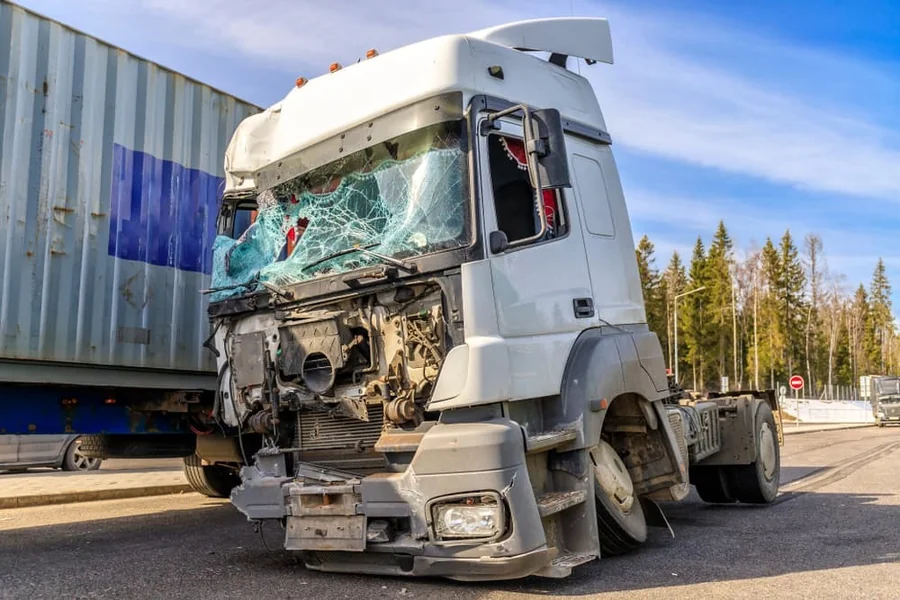
Truck accidents in New Orleans often involve complex liability questions. Factors like driver fatigue, poor maintenance, overloaded cargo, and impaired driving can all shift legal responsibility. In Louisiana, nearly 15% of fatal crashes involve large trucks. Establishing fault requires examining records, regulations, and conduct. By understanding these liability triggers, victims and legal teams can build stronger cases and pursue rightful compensation for injuries, losses, and long-term impacts caused by negligence.
Truck accidents can lead to severe consequences, both physically and financially. Navigating the legal aspects can be challenging, especially when determining liability, and that’s why, you need a New Orleans truck accident lawyer by your side. Various factors can influence the outcome of a lawsuit. Understanding these can help those involved make informed decisions.
Truck crashes often become very complex legal battles. Many things need to be dissected in order to identify who is responsible. This article discusses ten aspects that may influence the direction and result of a truck accident lawsuit.
Driver Fatigue
Driver fatigue is a leading factor in many truck accidents. Long shifts and tight deadlines can push truckers beyond the federally mandated hours, leading to exhaustion. When drivers are fatigued, their judgment, reaction time, and focus suffer—making accidents far more likely. In many cases, logbooks, GPS data, and electronic logging devices (ELDs) become key pieces of evidence, helping to prove that a driver was overworked and potentially at fault due to fatigue-related impairment.
Vehicle Maintenance
Truck maintenance is critical to road safety. Just like any vehicle, a poorly maintained truck is a hazard—only on a much larger scale. Brake failures, tire blowouts, or engine issues can lead to catastrophic accidents. When a crash occurs, maintenance records can become crucial evidence. They may reveal whether required inspections or repairs were skipped, pointing to negligence by the trucking company or driver and strengthening the case for liability in a legal claim.
Weather Conditions
The weather can greatly affect driving conditions. Rain, snow, or fog can obscure visibility, and roads can become slippery. Although operators are obliged to operate their vehicles accordingly, failure to do so may be considered negligence. In such cases, weather bulletins and expert testimony can provide background.
Road Conditions
The condition of the road can also affect the results of a lawsuit. Deteriorated roads, construction sites, or blocked signs may also contribute to the accident. Such factors help to indicate whether other actors, such as local governments, would share responsibility.
Cargo Load
Improperly loaded or overweight cargo can seriously affect a truck’s balance and control, increasing the risk of rollovers, jackknifes, or brake failure. When cargo shifts unexpectedly or exceeds legal weight limits, even the most skilled driver may struggle to maintain control. Federal and state regulations outline strict rules for loading and securing cargo. If these aren’t followed, the responsibility may fall on the driver, the loading crew, or the company that failed to enforce compliance.
Driver’s Record
A driver’s past can also be a critical factor. Prior traffic offenses or accidents may indicate a history of unsafe conduct. Access to the driver’s driving history will reveal any past that may have led to the accident.
Alcohol and Drug Use
Drugs and alcohol significantly contribute to many truck accidents. Impaired drivers are more prone to making critical errors, such as misjudging distances, ignoring traffic signals, or reacting too slowly. In these cases, evidence like breathalyzer results, toxicology reports, and even dashcam footage can play a vital role in establishing impairment. Proving that a driver was under the influence at the time of the crash can strongly support claims of negligence or liability.
Training and Qualifications
The truck driver’s experience and education matter for liability. Insufficient training or not being appropriately certified can indicate negligence. While this is a driver qualification issue, it can also be a liability issue for carriers.
Vehicle Design and Manufacturing
In some cases, the truck’s design or construction can contribute to an accident. Mechanical failure can occur due to faulty parts or poor design. In this case, manufacturers may be liable. Sometimes, product recalls and engineering analysis may provide evidence.
Third-Party Liability
Some other parties, for example, a contractor or subcontractor, may also have liability. If a third-party service company caused the accident, it could also be a party to the suit. Contractual commitments and documentation of previous service can help define who is responsible.
Conclusion
Proving liability in a truck accident lawsuit involves many factors, each of which can dramatically change the course of a case. With such determinations, all parties will be better equipped to move forward through the legal system and reach a fair result. Good evidence collection and expert consultation are important early aspects of providing a solid case.

