
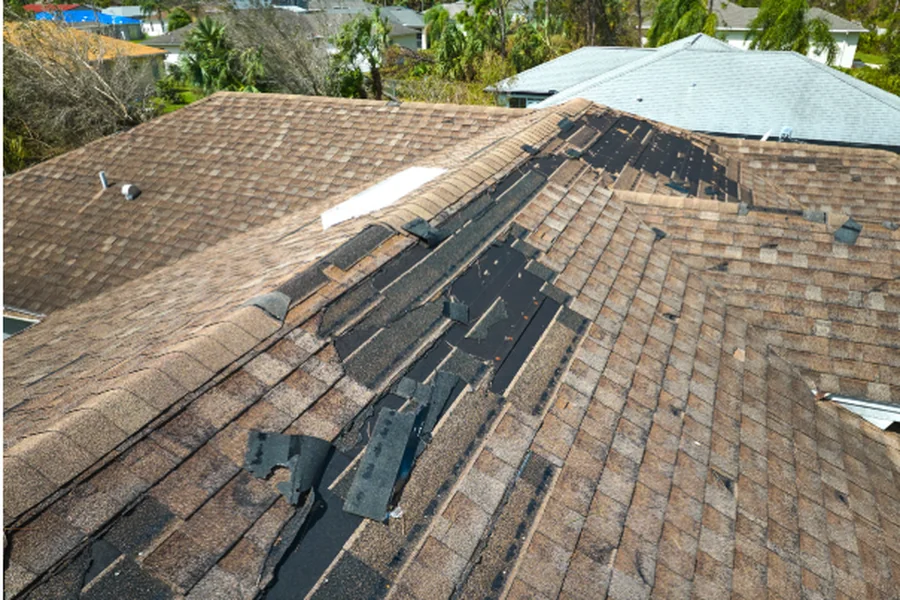
Hailstorms can leave behind more damage than many homeowners realize. While large dents or missing shingles are easy to spot, smaller signs of hail damage often go unnoticed. Unfortunately, even minor damage can worsen over time if left untreated, leading to expensive repairs and reducing the lifespan of your roof. Scheduling a professional inspection after a significant hailstorm can help identify hidden issues before they become serious problems.
1. Water Leaks and Interior Damage
One of the most common long-term effects of untreated hail damage is water infiltration. Hail can crack shingles, loosen flashing, or remove the protective granules that shield your roof from moisture. While these issues may not cause immediate leaks, rainwater can gradually seep into the roofing system.
Over time, this can lead to:
- Ceiling stains
- Damaged insulation
- Mold and mildew growth
- Rotting wood structures
The longer moisture remains trapped inside your roof, the more extensive and expensive the repairs become.
2. Reduced Roof Lifespan
Roofing materials are designed to withstand years of exposure to the elements, but hail impacts weaken their protective surface. Asphalt shingles, for example, may lose their granule coating after a hailstorm, leaving them vulnerable to UV rays, heat, and weathering.
As the damage continues to worsen, shingles become brittle, crack more easily, and deteriorate much faster than expected. What could have been a simple repair may eventually require a complete roof replacement years earlier than planned.
3. Higher Energy Bills
Many homeowners don’t realize that roof damage can affect their home’s energy efficiency. Small openings created by hail damage allow outside air and moisture to enter the roofing system, reducing the effectiveness of attic insulation.
As a result:
- Heating systems work harder during winter.
- Air conditioning runs longer during summer.
- Indoor temperatures become less consistent.
- Monthly utility bills gradually increase.
Repairing hail damage early helps maintain proper insulation and keeps your home more energy efficient.
4. More Expensive Repairs in the Future
Perhaps the biggest consequence of ignoring hail damage is the increased cost of repairs. What begins as a few damaged shingles can eventually develop into widespread structural issues affecting the roof deck, insulation, and even interior walls.
Professional inspections after severe storms often identify problems while they are still relatively inexpensive to fix. Delaying repairs, however, allows weather exposure to worsen the damage and significantly increase restoration costs.
Why Choose Umbrella Roof for Hail Damage Repairs?
After a hailstorm, it’s important to have your roof inspected by experienced professionals who can identify both visible and hidden damage. Hail Damage Services from Umbrella Roof provide comprehensive storm damage inspections, expert repairs, and roof restoration solutions for homeowners throughout Philadelphia. Their team understands how hail impacts different roofing materials and works quickly to prevent minor damage from developing into costly structural issues. Whether your roof needs a few repairs or more extensive restoration, Umbrella Roof is committed to delivering quality workmanship and helping protect your home for years to come.
Don’t Wait Until Small Problems Become Big Ones
Hail damage isn’t always obvious, but ignoring it can lead to long-term consequences for both your roof and your home. Regular inspections after severe weather, prompt repairs, and preventative maintenance are the best ways to protect your investment and avoid unnecessary expenses.
For additional homeowner resources unrelated to roofing, visit Ready.gov for practical guidance on emergency preparedness, severe weather planning, and protecting your home throughout the year.

