
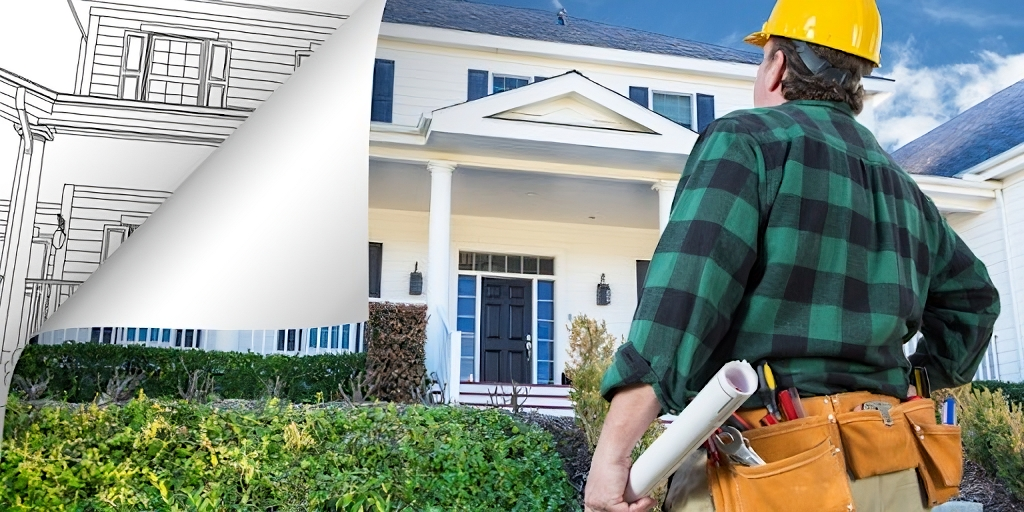
Building a custom home is an exciting opportunity to create a space that is tailored to your family’s lifestyle, personal taste, and future goals. Unlike purchasing an existing home, a custom build allows you to make decisions about everything from the layout and finishes to the smallest design details. While that level of customization is rewarding, it also comes with many important decisions that can impact your budget, timeline, and overall satisfaction.
Understanding some of the most common mistakes homeowners make can help you avoid unnecessary stress and ensure your custom home is everything you envisioned.
Choosing a Builder Based Only on Price
One of the biggest mistakes homeowners make is selecting a custom home builder Idaho Falls based solely on the lowest estimate. While staying within budget is important, the cheapest option is not always the best value. An experienced custom home builder brings knowledge, quality craftsmanship, and reliable communication that can save you time and money throughout the project.
Take the time to research potential builders by reviewing past projects, reading client testimonials, and asking questions about their building process. Choosing a builder you trust will make the entire experience much smoother and give you confidence as construction progresses.
Not Creating a Realistic Budget
Many people focus primarily on construction costs without considering all the additional expenses that come with building a custom home. Site preparation, permits, landscaping, utility connections, appliances, and interior furnishings can all add to the final cost.
It’s also wise to set aside a contingency fund for unexpected expenses. Material prices can fluctuate, weather may cause delays, and unforeseen site conditions sometimes require additional work. Planning for these possibilities helps prevent financial surprises and keeps your project moving forward.
Designing for Appearance Instead of Everyday Living
It’s easy to become focused on creating a beautiful home, but functionality should always be a top priority. A stunning design won’t feel as enjoyable if the layout doesn’t fit your daily routine.
Think carefully about how your family will use each room. Consider how you move through the kitchen while cooking, where shoes and backpacks will be stored, and whether there is enough space for laundry, hobbies, or entertaining guests. A home that functions well every day often provides more lasting satisfaction than one designed around trends alone.
Forgetting About Your Future Needs
A custom home should be designed not just for your current lifestyle but for the years ahead. Families grow, careers change, and personal needs evolve over time.
When planning your home, consider whether you may eventually work from home, care for aging parents, or simply want to remain in the house as you get older. Features like flexible living spaces, additional storage, and a primary suite on the main level can make your home more adaptable without sacrificing style.
Making Major Changes During Construction
Once construction begins, changing your mind about floor plans, plumbing locations, or structural features can quickly become expensive. Even seemingly small adjustments often require additional labor, new materials, and scheduling changes that affect the entire project.
Spending extra time during the planning and design phase allows you to make thoughtful decisions before construction starts. Finalizing selections early helps keep your project on schedule while minimizing unexpected costs.
Overlooking Storage
Storage is one of the most commonly overlooked aspects of home design. During the planning process, homeowners often prioritize larger living spaces while underestimating how much storage they will actually need.
Closets, pantry space, mudrooms, built-in shelving, and garage organization all contribute to a more functional home. Thoughtful storage solutions help reduce clutter and make daily life more organized, allowing your home to remain comfortable and efficient for years to come.
Ignoring Energy Efficiency
Energy-efficient construction has become increasingly important for today’s homeowners. Investing in quality insulation, energy-efficient windows, modern HVAC systems, and smart home technology can reduce monthly utility costs while improving indoor comfort throughout every season.
Although these upgrades may increase the initial construction cost, they often provide long-term savings and increase the overall value of your home. Planning for energy efficiency during construction is much easier and more affordable than making upgrades after the home is complete.
Following Trends Too Closely
Home design trends change regularly, and what feels modern today may seem outdated in just a few years. While it’s perfectly fine to incorporate current styles into your home, it’s often best to keep permanent features more timeless.
Classic flooring, cabinetry, countertops, and exterior finishes tend to age more gracefully and appeal to a wider range of tastes. You can always refresh your home’s appearance later with new paint colors, lighting fixtures, furniture, and décor without taking on expensive renovations.
Choosing the Wrong Lot
The lot you build on is just as important as the home itself. The size, shape, slope, and orientation of your property all influence the design possibilities and construction costs.
Before purchasing land, consider factors such as drainage, sunlight, privacy, neighborhood regulations, and access to utilities. Working closely with your builder during the lot selection process helps identify potential challenges before construction begins and ensures the property supports your vision for the home.
Not Communicating Throughout the Process
Building a custom home is a collaborative effort involving homeowners, designers, builders, subcontractors, and suppliers. Open communication throughout every stage of the project helps everyone stay aligned and reduces the likelihood of misunderstandings.
Don’t be afraid to ask questions or request updates. Whether you’re discussing timelines, materials, or design choices, staying engaged throughout the project allows small concerns to be addressed before they become larger issues.
Rushing Important Decisions
A custom home involves hundreds of decisions, and it’s natural to feel overwhelmed at times. However, rushing through selections can lead to regrets after you’ve moved in.
Take time to compare materials, view samples in different lighting conditions, and think about how each finish complements the rest of your home. Slowing down during the planning phase often results in a more cohesive design and greater satisfaction with the finished product.
Build With Confidence
Building a custom home is one of the most rewarding investments you can make, especially when you approach the process with careful planning and realistic expectations. By choosing an experienced builder, creating a thoughtful budget, designing for both beauty and function, and considering your future needs, you can avoid many of the common mistakes that homeowners face. The right custom home builder will guide you through every step of the journey, helping you make informed decisions while keeping your project on track. With expert guidance and a clear plan, you’ll be well on your way to creating a home that fits your lifestyle and serves your family for many years to come.

