
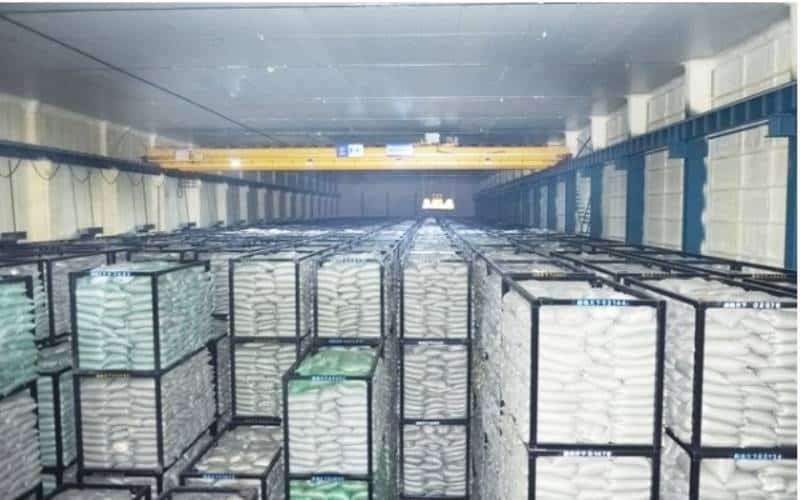
As digital transformation and smart manufacturing continue to evolve rapidly, the logistics industry is undergoing a comprehensive shift driven by intelligent technologies. Among all logistics operations, material handling is emerging as a strategic breakthrough point. From smart crane systems to autonomous unloading robots and AI-powered warehouse scheduling, intelligent handling technologies are not only improving efficiency but also reshaping the fundamental structure of logistics workflows.
Intelligent Crane Systems: Precision, Efficiency, and System Integration
In recent years, with the rise of IoT, AI, and advanced automation, crane systems have become far more than just lifting equipment. Today, leading top 10 overhead crane manufacturers in world are launching smart overhead crane solutions featuring automatic positioning, path optimization, and seamless integration with ERP systems.
One heavy equipment manufacturer implemented such a system and reported significantly improved internal logistics efficiency, along with better inventory control. These cranes are particularly valuable in high-frequency manufacturing environments, where they reduce energy consumption and operational errors.
Beyond the factory floor, intelligent cranes are being used in ports and steel plants, where dynamic load management, remote diagnostics, and operational tracking offer significant uptime and throughput improvements. Integration with digital twins and warehouse digital control centers is also becoming more common, enabling a holistic, real-time overview of production and handling environments.
Automated Robots: A Game-Changer in Truck Unloading
Traditionally, truck unloading relies heavily on manual labor, which is time-consuming and inconsistent. SlipRobotics has introduced the SlipBot+ system—a modular robotic platform that can autonomously adapt to various freight scenarios. Each unloading process takes less than five minutes, and companies like Nissan and John Deere have reported a 75% reduction in unloading time.
Such automation not only addresses labor shortages but also provides scalable solutions for high-volume distribution centers. As businesses seek to optimize time and costs, robotic unloading is quickly becoming a mainstream investment.
Robotic systems are now capable of handling fragile goods, managing irregular load configurations, and even working collaboratively with human workers through AI-powered vision and control systems. This hybrid model improves safety, reduces injury risks, and allows companies to maintain uninterrupted flow even during peak seasons.
Smart Warehousing Systems: Algorithm-Driven Optimization
The shift toward intelligence extends beyond handling into warehousing. Kardex, in partnership with Paccurate, developed an intelligent packing system that adjusts box dimensions in real time. This resulted in a 22% reduction in average package volume and an 18% cut in shipping costs.
Meanwhile, companies like GatherAI and LocusRobotics are advancing AI-powered warehouse management systems. Their platforms provide real-time tracking, automated routing, and spatial analytics—helping facilities improve accuracy, increase storage utilization, and maintain operational flexibility in dynamic markets.
Warehouse intelligence also extends to predictive analytics. With machine learning models analyzing demand trends, inventory levels, and equipment wear, facilities can anticipate issues before they occur—whether it’s rebalancing storage zones or preparing for maintenance. This results in fewer delays, lower costs, and improved service levels.
Smart Upgrades for Mid-Sized Equipment: Low Cost, High Return
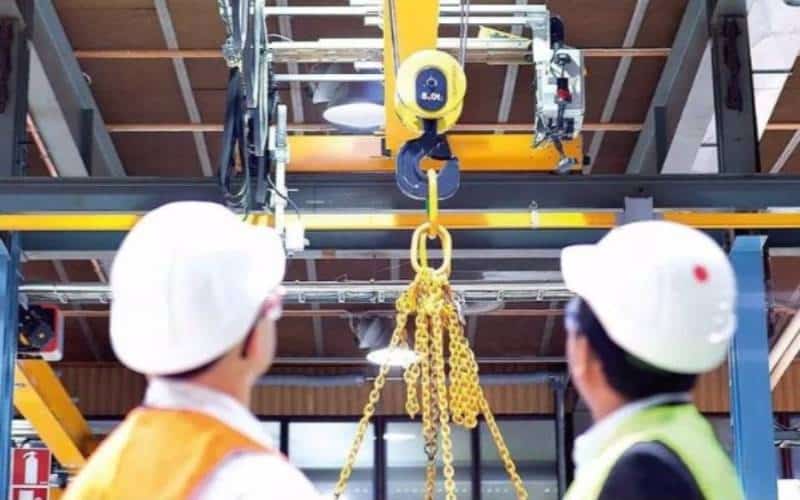
Smart technology isn’t exclusive to large-scale systems. Many companies are now investing in “soft upgrades” for mid-sized equipment. For instance, a standard 5ton overhead crane was enhanced with sensor modules and predictive maintenance features, allowing real-time monitoring and reducing the risk of unplanned downtime.
This approach balances performance improvements with cost control, making it ideal for small to medium-sized enterprises looking to gradually transition toward intelligent logistics.
Modular retrofit kits now allow existing cranes, forklifts, or conveyor systems to gain new functions without full replacement—such as digital load cells, wireless connectivity, or automated cycle recording. These incremental changes empower businesses to adopt Industry 4.0 at their own pace while seeing visible ROI in months, not years.
Green Logistics: The Convergence of Intelligence and Sustainability
Sustainability has become a major driver of innovation. Ampure’s PosiCharge system, for example, shortens electric vehicle charging times and increases usage efficiency, contributing to more sustainable warehouse operations. Additionally, many intelligent devices now feature built-in carbon monitoring and energy analytics—supporting companies in their path to carbon neutrality.
LED lighting, regenerative braking in cranes, and warehouse cooling optimization via AI are just a few examples of how logistics facilities are cutting emissions while increasing output. These environmentally responsible practices are also being incentivized by government subsidies and ESG investment priorities.
As climate goals tighten and carbon pricing policies expand globally, integrating smart and green technologies is not only an ethical move but a long-term financial strategy.
Conclusion: Prepare Today for the Logistics of Tomorrow
From automated cranes in smart factories to robots unloading containers at scale, the logistics sector is stepping into a data-driven, intelligent era. Companies that proactively adopt these technologies stand to gain significant competitive advantages in terms of efficiency, agility, and cost effectiveness.
In a landscape where supply chain resilience and digital coordination are critical, intelligent handling is no longer a “nice to have”—it’s a strategic necessity. Whether through full-scale smart systems or cost-effective retrofits, the path forward lies in embracing innovation, integrating sustainability, and reimagining how goods move across the globe.

