Ethical fashion has steadily gained momentum in recent years, with more and more people becoming aware of the detrimental effects of the fashion industry on the environment and workers worldwide. As a result, individuals from all walks of life have been on personal journeys to transition towards more conscious clothing choices. Ethical fashion isn’t just for high-profile activists or celebrities; everyday people are making choices that reflect their values, and their stories provide invaluable insight into the challenges and rewards of choosing a more ethical and sustainable path.
In this article, we’ll hear from real individuals who have embraced ethical fashion in different ways. From slow fashion advocates to those who choose second-hand clothing, each person’s journey is unique, and each story offers practical tips for anyone looking to make a change. These personal accounts reveal the growing trend of ethical fashion and highlight how simple yet impactful decisions can lead to positive changes in the fashion industry. Stay ahead in the fashion game with the latest Celebrity Fashion.
1. Emily’s Journey to a Minimalist and Sustainable Wardrobe
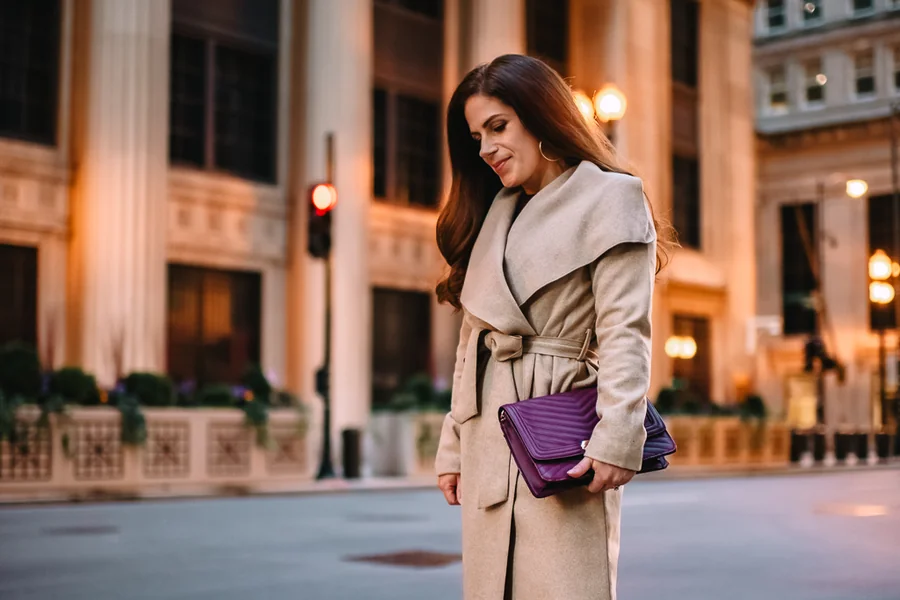
Emily, a marketing professional from Chicago, was once a lover of fast fashion. Shopping was a form of therapy, and she often found herself purchasing trendy, low-cost items that would only last a few months before falling apart. However, after a trip to a local thrift store, Emily stumbled upon an eye-opening realization that started her on her ethical fashion journey.
The Wake-Up Call:
“I was walking through a local thrift store one afternoon, looking for a quick bargain, when I noticed how many items still had tags on them,” Emily recalls. “It made me realize how much waste is created by the fast fashion industry. I was buying things I didn’t need, and it was adding to the problem.”
Emily’s realization led her to explore more about the impact of fast fashion on the environment and workers. She read about the toxic chemicals used in textile production, the exploitation of garment workers, and the mountains of clothing that end up in landfills. These facts were eye-opening and deeply unsettling.
Taking Action:
Emily began by purging her wardrobe of any items she no longer wore or that weren’t made ethically. “I started with a major decluttering session,” she explains. “I sold what I could and donated the rest. It felt freeing. I had too many clothes that weren’t serving me.”
She then began replacing her old clothes with more intentional purchases, focusing on quality over quantity. Emily shifted her focus to investing in timeless pieces that would last for years, such as a good pair of jeans, classic blouses, and eco-friendly shoes. She also started shopping from sustainable brands and explored second-hand shopping as a way to reduce her impact.
The Results:
“Now, I buy less but buy better,” Emily shares. “I’ve learned to invest in clothing that’s made to last, and I’m more conscious of the brands I support. I feel good knowing that I’m not contributing to an industry that harms the environment and people.”
Emily’s journey to a minimalist and sustainable wardrobe not only helped reduce her carbon footprint but also instilled a sense of intentionality in her purchasing habits. For Emily, ethical fashion isn’t about perfection—it’s about making better choices and aligning her values with her consumption.
2. John’s Transition to Second-Hand and Vintage Clothing
John, a freelance graphic designer in Portland, Oregon, had always prided himself on being a “budget-conscious” shopper. However, as he became more attuned to the environmental impact of fast fashion, he realized that shopping on a budget often meant supporting brands that prioritized low-cost production over ethical labor and sustainability.
The Turning Point:
“It started when I was looking for a new jacket,” John explains. “I found a really cool one online, but then I discovered that the brand was known for exploiting cheap labor in developing countries. I couldn’t justify buying from them anymore, even if it was at a great price. That’s when I started looking into second-hand and vintage options.”
John didn’t want to sacrifice style or budget, but he also didn’t want to support brands with questionable practices. That’s when he turned to second-hand clothing. He began to visit local thrift stores, explore online resale platforms, and even check out vintage shops for unique pieces.
Embracing the Second-Hand Movement:
“At first, I was hesitant,” John admits. “I wasn’t sure if second-hand clothes would be stylish or if they would fit well. But once I started exploring, I realized how much treasure there was. Vintage clothing has so much character, and there’s a whole history behind it.”
John was amazed by the variety and quality of second-hand clothes he found, many of which were made from durable materials and had stood the test of time. He also discovered that buying second-hand often meant finding high-quality items that were no longer in production, giving his wardrobe a unique and personalized touch.
The Impact:
“By shopping second-hand, I’ve been able to reduce my environmental impact, save money, and find pieces that are one-of-a-kind,” John says. “I’ve learned that there’s no need to buy new clothes all the time when there are so many amazing options in thrift stores and resale markets.”
John’s experience highlights a key aspect of ethical fashion: circularity. By purchasing second-hand items, he’s contributing to the reuse and recycling of textiles, which helps reduce the demand for new clothing production and keeps garments out of landfills.
3. Sarah’s Commitment to Supporting Ethical Brands
Sarah, a teacher in Atlanta, Georgia, was always passionate about sustainable living but found that her wardrobe didn’t reflect her values. She had several items from fast fashion brands in her closet and began to feel uncomfortable knowing that her clothing choices didn’t align with her ethical beliefs.
The Catalyst:
“It was a documentary about the Rana Plaza disaster in Bangladesh that really woke me up,” Sarah shares. “It was heartbreaking to learn about the conditions garment workers faced, and it made me realize that I could be doing more to support ethical brands.”
After learning about the environmental and human rights issues in the fashion industry, Sarah committed to making more conscious purchasing decisions. She started researching brands that were committed to ethical labor and sustainable production practices, focusing on companies that used organic materials and fair trade certifications.
Finding Ethical Brands:
Sarah’s new approach involved not only avoiding fast fashion but also supporting smaller, local, and ethical fashion brands. She sought out clothing made from natural fibers like organic cotton and hemp and invested in pieces that she could wear for years to come.
“Some of the brands I found were a bit more expensive than what I was used to, but I realized it was worth it. I felt good knowing that the people behind the clothes were treated fairly, and that the materials were sustainable,” Sarah explains.
Building a More Conscious Wardrobe:
Sarah’s ethical fashion journey also included buying less overall. She focused on quality, purchasing versatile pieces that could be worn in different ways and across multiple seasons. By supporting ethical and sustainable brands, Sarah not only minimized her carbon footprint but also contributed to a growing movement that champions fair labor practices and eco-friendly production.
4. Carlos and His Transition to Sustainable Sportswear
Carlos, a fitness enthusiast from Denver, had always been an advocate for a healthy lifestyle, regularly exercising and eating well. However, he began to notice a disconnect between his fitness routine and his consumer habits, particularly when it came to his activewear.
The Realization:
“As I became more aware of sustainability in general, I realized that my activewear was made from synthetic materials that weren’t eco-friendly,” Carlos explains. “I was buying workout clothes every few months, and many of them were made from polyester, which takes hundreds of years to break down.”
Carlos knew that fast fashion was a problem in casual wear, but he hadn’t considered the environmental impact of his sportswear. That’s when he decided to explore sustainable activewear brands that use recycled materials, organic cotton, or natural dyes.
Making the Switch:
Carlos began researching sportswear brands that align with his values. He found companies that used recycled polyester, bamboo, and hemp for their workout clothes. The materials were more breathable and less harmful to the environment, and many of the brands were committed to ethical production processes.
“I switched to sustainable activewear, and I haven’t looked back,” Carlos says. “Not only do these clothes perform just as well as traditional brands, but I know I’m doing my part to reduce my environmental impact.”
The Takeaway:
Carlos’ journey shows that sustainability can be integrated into every aspect of life, including fitness. Whether you’re working out at the gym or going for a run, choosing eco-friendly activewear makes a significant difference in reducing the fashion industry’s environmental footprint.
5. Kate’s Slow Fashion Approach to Wardrobe Building
Kate, a stay-at-home mom in Raleigh, North Carolina, was tired of her cluttered closet filled with items she rarely wore. She decided to take a more intentional and slow fashion approach to her wardrobe, focusing on building a collection of high-quality, timeless pieces that would serve her family for years to come.
The Slow Fashion Revolution:
“I had so many clothes that I barely wore,” Kate recalls. “It made me feel like I was always buying new things, but nothing ever truly satisfied me. That’s when I heard about slow fashion, and it really resonated with me.”
Kate began by decluttering her wardrobe and opting for fewer but better items. She researched brands that offer sustainable materials and practiced ethical manufacturing processes. Kate’s slow fashion approach involved buying second-hand or choosing brands that prioritize long-lasting quality over trends.
Building a Thoughtful Wardrobe:
Kate’s wardrobe now consists of carefully curated, versatile pieces that she can mix and match. She also shops with her children in mind, selecting items that will be passed down, further extending their lifespan.
“I don’t buy clothes just because they’re on sale or because everyone else has them. I make sure that what I buy is intentional and something I’ll wear for years,” Kate explains.
The Benefits of Slow Fashion:
By embracing slow fashion, Kate has saved money, reduced her environmental impact, and cultivated a wardrobe that suits her personal style and values.
Conclusion: Everyone’s Ethical Fashion Journey is Unique
The ethical fashion movement is growing, and these stories demonstrate that anyone, regardless of their lifestyle or budget, can make a difference. Whether it’s embracing second-hand clothing, supporting ethical brands, or opting for slow fashion, there are countless ways to incorporate sustainability into our wardrobes. The common thread is that these everyday people are making intentional decisions about what they wear, recognizing the power of their choices, and contributing to a more ethical and sustainable fashion industry.
Each of these journeys is unique, but they all highlight the impact of mindful consumption in the fashion world. By sharing their experiences, these individuals inspire others to take steps toward a more ethical and sustainable future in fashion.