
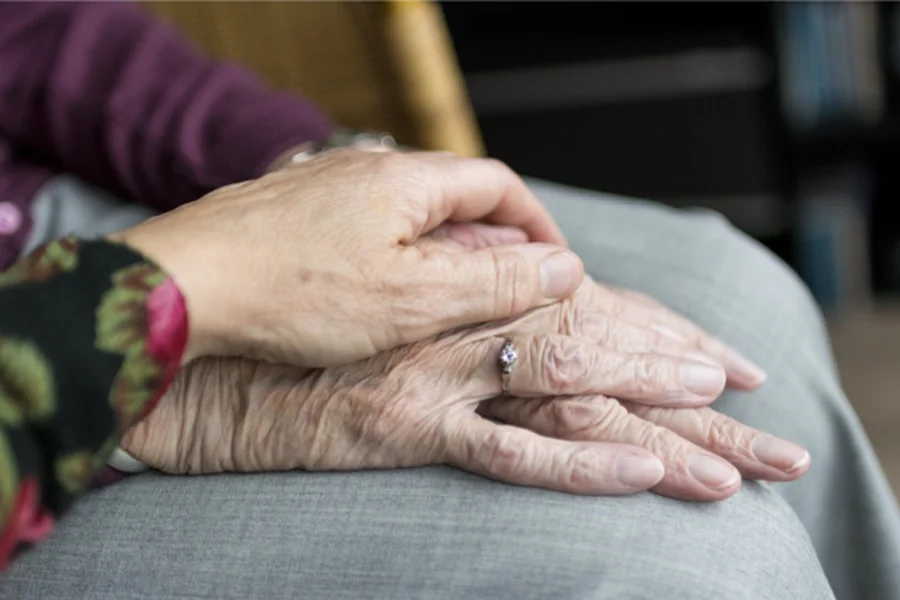
Watching your parent struggle with things they used to do effortlessly hits differently than you expect. Maybe it’s your mom forgetting her blood pressure medication three days in a row, or your dad who can’t quite manage the stairs like he used to. These moments sneak up on families, and suddenly you’re facing a conversation nobody wants to have about getting help.
The thing is, most seniors want to stay home. About 77% of baby boomers would rather age in their own space than move somewhere new. But here’s what catches families off guard: wanting to stay home and being able to do it safely are two different things. That’s where professional elderly care service options come into play, and they’re not what most people think.
If you’re wondering whether your loved one needs more support than family can provide, you’re asking the right questions.
The Reality Check Nobody Talks About
Right now, 40 million Americans are over 65. The really eye-opening part? Age UK found that 2 million people in that age group have care needs that just aren’t being met. Your family isn’t failing if you can’t handle everything. You’re just human.
Nearly 70% of family caregivers say they’re drowning trying to balance work and taking care of an aging relative. And that’s before we talk about physical stuff. Falls happen more often when people have balance issues, muscle weakness, or medication side effects. If you’re not trained to help with mobility or don’t know the warning signs, you might actually be putting your loved one at more risk.
Professional caregivers know what to watch for. They catch health changes early, keep medication schedules straight, and understand how to help someone stay independent longer instead of taking over completely.
What This Actually Looks Like Day to Day
Forget everything you think you know about elderly care. Modern services aren’t about moving your parent to a facility or having strangers take over their life. Home health care revenue jumped 50.5% between 2013 and 2020 because families discovered something better.
Picture this instead: someone who comes by three times a week to help with grocery shopping and meal prep. Or a trained aide who assists with showering safely but lets your mom handle her own hair and makeup. Maybe it’s companion care for someone who’s been isolated since losing friends, giving them regular social interaction and activities.
The goal is filling in the gaps, not replacing family relationships. Your dad still makes his own coffee and reads his morning paper. He just has someone there to remind him about his afternoon pills and help him get to doctor appointments safely.
The Brain Health Piece Nobody Mentions
Here’s something that surprised a lot of families: good physical care directly affects mental sharpness. Your brain burns through about 20% of everything you eat, so when seniors stop cooking nutritious meals or forget to drink enough water, their thinking gets foggy fast.
Professional caregivers get this connection. They know that maintaining brain-healthy nutrition habits isn’t just about eating vegetables. It’s about consistent meal timing, staying hydrated, and eating foods rich in Omega-3s and antioxidants that actually protect against cognitive decline. Even mild dehydration messes with focus and memory, but older adults often lose their sense of thirst. A caregiver who understands these details can make the difference between your parent staying sharp and slowly declining.
Making the Call That Works for Everyone
Bringing in outside help doesn’t mean you’re giving up or admitting defeat. It means you care enough to get your loved one the right kind of support. Most successful aging-in-place situations mix family involvement with professional backup.
Start small. Maybe your parent needs help with heavy cleaning once a week, or someone to drive them to appointments twice a month. You can always add more support as needs change, but getting comfortable with the idea of help makes future decisions easier.
The home care industry hit $57.4 billion in 2020, up 62% from 2013. That growth happened because families learned that getting professional help often costs less than dealing with emergency room visits, medication mistakes, or serious falls.
You don’t need to redesign your parents’ entire life overnight. Sometimes, just having someone check in regularly or help with the hardest tasks gives everyone peace of mind while keeping independence intact.

