
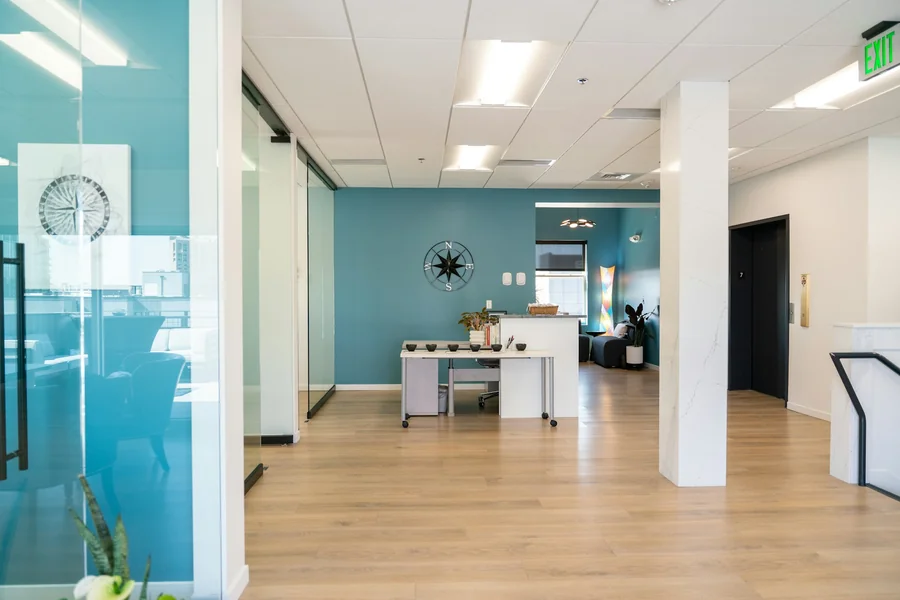
Things are changing fast. The way you work, where you work, and how your team feels about work — it’s all shifting. Office design isn’t just about desks anymore. It’s about experience. Culture. Focus. Even profit. For many companies, the secret to staying ahead isn’t just technology or talent. It’s rethinking how space is used.
That’s why more businesses are exploring smarter layouts, smaller footprints, and fresh ideas like coworking spaces to get the best out of their teams.
1. The Office Is No Longer Just a Location
There was a time when office space was just… space. Rows of desks. Maybe a break room. That was it.
Now, the game’s different. Your office is a tool. When done right, it helps people feel more productive, more connected. When done wrong? It drains energy.
When people walk into your office, what do they feel? Inspired? Bored? Confused? Comfortable?
You don’t need a massive redesign. But shifting how you see your workspace — as something living, flexible, evolving — that changes everything.
2. Productivity Thrives in the Right Environment
Where you work affects how you work. A noisy office with flickering lights and uncomfortable chairs? That’s a recipe for burnout. Or worse, boredom. And no one does their best work when they’re uncomfortable or distracted.
Now flip the script.
Think about natural light streaming through the windows. A seat that supports your back just right. Fresh air. Plants around. It’s not just “nice to have” — these things impact the way your brain functions.
But let’s go beyond lighting and chairs.
People work differently. Some thrive in silence. Others need a hum of background noise. A one-size-fits-all setup just doesn’t cut it anymore. That’s where thoughtful office design comes in. Offer variety. A quiet area for heads-down tasks. Open zones for brainstorming. Maybe even a few “in-between” spots — the kind where magic ideas happen casually over coffee.
When you let people choose how and where they work best, they become more engaged. They stop counting down to the end of the day. They settle into the kind of work that flows. That’s the sweet spot.
3. First Impressions Matter: Clients and New Hires
Your office speaks even when you don’t. A client walks in. A new hire shows up for their first day. What they see shapes what they think.
Is your space outdated? Overcrowded? Or is it clean, intentional, and welcoming?
You don’t need to spend a fortune on high-end furniture. But layout and energy go a long way. A cozy spot for casual meetings. A quiet room for focused work. Natural elements like plants or soft lighting.
People remember how a place made them feel. That memory either works for you or against you.
4. Reducing Waste, Increasing Value
Take a look around your office right now. Are there entire rooms collecting dust? Meeting rooms barely used? Desks that haven’t seen a person in weeks? If yes, you’re not alone.
A lot of companies are paying for space they don’t need anymore. But when you let go of unused square footage, something interesting happens — you unlock freedom.
You can reinvest that money. Maybe better equipment. Maybe more staff training. Or even a better coffee machine.
Smaller doesn’t mean less. It can mean smarter. Shared lounges, quiet pods, rotating desks — all these let you cut back without cutting down.
5. Rethinking Space Is Rethinking Culture
People don’t just want a paycheck anymore. They want to feel good at work. Like they belong. Like they’re part of something. Your office can help or hurt that.
A kitchen that invites casual chats can build friendships. A brainstorming room with walls you can write on can boost creativity. A nook for naps? Maybe a stretch — but hey, sleep matters too.
Culture isn’t just your values written on a wall. It’s the wall itself. The way the space flows. What it allows. So when you redesign your office, even in small ways, you send a clear message: “We care about how you feel here.” And that message matters.
Conclusion
The best leaders aren’t ignoring the shift — they’re leaning in. They’re creating spaces that help people do better, feel better, and stay longer. You don’t need to tear down walls. You just need to ask: “Is this setup still working for us?” Because the workplace isn’t what it used to be. And if you want to keep up, you’ve got to think ahead — toward the future of flexible workspaces, where freedom, function, and focus go hand in hand.

