
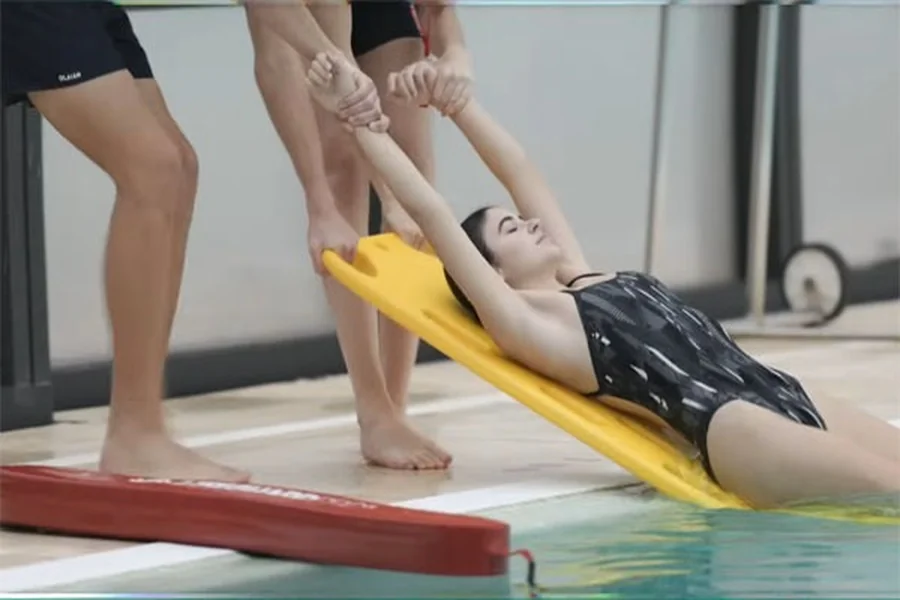
Becoming a lifeguard is a fulfilling but also challenging path demanding specialized training, mental toughness, and physical stamina. Although lifeguard training aims to equip people for the erratic character of water crises, it is not without difficulty. From rigorous swim tests to learning rescue procedures, aspiring lifeguards have to clear multiple obstacles before they can be certified.
We will look in this post at the main challenges of the training and how groups like the American Lifeguard Association equip the essential abilities to thrive in this important profession.
1. Satisfying the Physical Requirements of Lifeguard Training
Passing the required swim test is the first difficulty in lifeguard training. Most applications— including those from the American Lifeguard Association— demand candidates to:
- Swim an established distance—usually 300 to 500 yards—without stopping.
- Retrieve a 10-pound brick from deep water and raise it to the surface.
- Two minutes of handless water tread.
Real-life rescues depend on components assessed by these tests: endurance, strength, and comfort in the water. Many newcomers underestimate the physical price of these workouts, particularly if they haven’t trained much in advance.
Rising above the obstacle:
- Consistent swimming routine before registering for a course
- Strength training geared toward stamina enhancement.
- Emphasizing correct breathing exercises
2. Mastering Lifesaving Skills Under Pressure
Lifeguard training from the American Lifeguard Association covers advanced rescue techniques as well as first aid, CPR, and AED operations beyond only swimming. Even in demanding situations, trainees must execute these abilities perfectly.
Lifeguard training typically covers these common skills:
- Passive and active victim rescues (front crawl, rear approach, etc.)
- Management of spinal injuries via stabilization devices and backboards.
- First medical help for burns, fractures, and bleeding
Keeping and applying these abilities under simulated crisis circumstances is the difficulty. Often, trainees find muscle memory and fast decision-making challenging.
Rising above the obstacle:
- Repeated rescue exercise coverage
- Engaging in mock rescue exercises
- Maintaining composure and concentration throughout training
3. Passing scenario-based tests and written examinations
Lifeguard certification is not only about physical capability; candidates must also pass written tests assessing their understanding of:
- Water safety rules
- Plans of emergency response
- Acknowledgment of drowning symptoms
Furthermore, scenario-based assessments gauge candidates’ real-time application of their competencies. One error—one forgetting to check for breathing before starting CPR—could cause failure.
Rising above the obstacle:
- Thorough study of the lifeguard manual
- Engaging in practice tests
- Inquiring of instructors for further explanation on challenging concepts
4. Managing Psychological and Emotional Stress
Lifeguarding is emotionally taxing in addition to being physically challenging. Trainees have to get ready for the reality of life-and-death circumstances, including:
- Doing CPR on a nonresponsive victim
- Managing frantic swimmers
- Managing traumatic events
Anxiety about freezing in crises or about making errors abounds among many new lifeguards. Good lifeguard training courses—such as those provided by the American Lifeguard Association—contain stress management strategies to assist students remain cool.
Rising above the difficulty:
- Mental preparation via visualizing methods
- Talking about former rescues with seasoned lifeguards
- Engaging in stress relief techniques and mindfulness
5. Maintaining Certification and Continuous Training
Becoming a lifeguard is not a one-time accomplishment. Usually, two years pass before certification lapses requiring recertification. Lifeguards also have to be familiar with the newest methods and safety measures.
Conquering the Obstacle:
- Going to refresher courses
- Regular practice helps one sharpen their skills.
- Keeping abreast of newly developed rescue techniques
Why Pick the American Lifeguard Association for Training?
Though many companies provide lifeguard training, the American Lifeguard Association stands out for its thorough syllabus and focus on real-world readiness. Graduates are ready for whatever aquatic crisis since their courses combine practical rescue drills with theoretical knowledge.
Whether you are preparing for pools, beaches, or waterparks, overcoming these obstacles is essential to become a competent lifeguard. With the correct attitude and preparation, you can get your certification and improve water safety.
Final Word
American lifeguard classes isn’t an easy process; It challenges your physical and mental toughness and your decision-making skills. Between swim tests that challenge your endurance to learn how to respond to emergencies, lifeguard training is challenging – but worth it. Organizations like the American Lifeguard Association provide the training you need to not just succeed in this position but also to help save lives.
If you think lifeguarding may be for you (as an ideal career or seasonal job) prepare yourself for a long process of training and testing – but remember – the worst thing that can happen is you gain valuable skills that might help save a life.
So, are you ready to jump into lifeguard classes? Start your training today and join the league of certified professionals in the field of lifeguarding and water safety!

