

Healthcare worker screening is vital for improving aged care quality. By vetting staff rigorously, aged care facilities can ensure safety and high standards of care for elderly residents, highlighting the role of healthcare worker screening in improving aged care quality. This article delves into the key benefits and essential practices of healthcare worker screening in aged care.
Importance of Healthcare Worker Screening in Aged Care
Healthcare worker screening is a cornerstone of aged care services, ensuring the delivery of safe and appropriate care to our elderly population. Delirium, a common issue among aged care consumers, can severely impact their well-being and quality of life. Robust screening processes help identify and mitigate such risks, ensuring that aged care workers are adequately prepared to manage such conditions.
The new Aged Care Act emphasizes the importance of effective screening processes in improving quality standards and services. This legislative framework underscores the need for aged care providers to implement thorough screening procedures to safeguard the health and well-being of elderly individuals. This ensures that the workforce is equipped to meet the complex care needs of residents.
Robust screening processes are vital for mitigating risks and providing high-quality care to the elderly. These processes help identify suitable candidates who possess the necessary qualifications and character to provide care. In turn, this leads to better consumer outcomes, enhancing the overall quality of aged care service delivery.
Healthcare worker screening plays a vital role in aged care. It is a proactive measure that not only protects the elderly but also upholds the integrity and reliability of aged care services. Investing in comprehensive screening processes fosters a safer and more supportive environment for both workers and residents.
Types of Screening Checks for Aged Care Workers
Aged care workers undergo various screening checks to ensure their suitability for employment. These checks are essential for maintaining a safe and supportive environment for elderly residents. Key points about the screening process include:
- Police checks are a primary screening method and will continue until the new screening process is fully implemented.
- A police certificate helps verify the background of potential employees.
- The certificate ensures that candidates do not have a criminal history that would make them unsuitable for aged care roles.
In addition to police checks, an NDIS Worker Screening Check will be introduced for aged care workers starting in 2026. The new screening process offers a more comprehensive assessment by evaluating national criminal and work misconduct history. This aligns with the broader goals of the NDIS screening check, ensuring that aged care workers meet stringent safety and quality standards.
Another critical aspect of the screening process is pre-employment drug and alcohol testing. Drug and alcohol testing is crucial for maintaining a safe environment in aged care settings. By integrating drug and alcohol testing into standardized protocols, aged care providers can enhance the overall quality of care and ensure that workers are fit to perform their duties.
Screening checks for aged care workers include police checks, the NDIS Worker Screening Check, and pre-employment drug and alcohol testing. Collectively, these measures ensure high-quality care services and safeguard resident well-being.
Police Checks for Aged Care Employment
Police checks are a critical component of the screening process for aged care employment. They play a vital role in ensuring the safety and well-being of individuals in aged care settings. From November 2025, aged care workers must have either a current police certificate or an NDIS Worker Screening Check to verify their suitability for the role. This requirement highlights the need for a thorough background check system.
Aged care workers are required to hold a police certificate that is no older than three years. This ensures that the information is up-to-date and reflects any recent changes in the individual’s criminal history. Certain convictions, such as murder or sexual assault, automatically disqualify individuals from working in aged care, highlighting the stringent criteria used to protect vulnerable populations.
For those aged care workers who already hold an NDIS Worker Screening Check, there is no need for a separate police certificate. This approach streamlines the process, reduces redundancy, and maintains high safety standards. Additionally, if an aged care worker’s circumstances change after their police check assessment, they must immediately disclose this to their employer. Ongoing disclosure ensures prompt addressing of new risks.
Police checks are vital for maintaining a safe and supportive environment in aged care settings. Current and comprehensive background checks uphold the highest standards of care and cultural safety for residents.
NDIS Worker Screening Check
The NDIS Worker Screening Check is set to become a pivotal part of the screening process for aged care workers. This check involves assessing a person’s national criminal history and work misconduct history, providing a more comprehensive evaluation than traditional police checks. The new screening process aims to enhance the safety and quality of care for elderly residents.
One of the significant advantages of the NDIS Worker Screening Check is its continuous monitoring feature. This means that workers in both the NDIS and aged care sectors will be subject to ongoing background checks, ensuring that any new criminal activity or misconduct is promptly identified and addressed. Continuous oversight significantly improves upon static police checks, which only offer a momentary snapshot of an individual’s history.
The new screening process will also consider a broader range of information than a police check, including work misconduct history. This holistic approach ensures that aged care workers meet the highest standards of conduct and professionalism. Aligning the NDIS Worker Screening Check with the new aged care worker screening ensures consistent and rigorous screening standards across both sectors.
In conclusion, the NDIS Worker Screening Check represents a significant advancement in the screening process for aged care workers. Its comprehensive and continuous nature provides a higher level of assurance that only the most suitable candidates are employed in aged care roles, ultimately enhancing the quality and safety of care services.
Pre-Employment Testing
Pre-employment drug and alcohol testing is essential in the aged care sector to ensure a safe environment for both healthcare workers and residents. With changes in drug policies, such as the legalization of cannabis, healthcare organizations are prompted to revise their drug screening practices to keep pace with the evolving legal landscape. This proactive approach is crucial for maintaining a safe and healthy environment for elderly residents.
Integrating pre employment drug and alcohol testing into standardized protocols can significantly enhance the quality of care in aged care facilities. For example, random drug testing serves as a deterrent against employees coming to work under the influence of substances, thereby ensuring that caregivers are in the best possible condition to provide care. This is particularly important in aged care settings, where the vulnerability of residents necessitates the highest standards of care and vigilance.
Moreover, maintaining a safe and healthy environment is crucial for both healthcare workers and the residents they serve. By implementing a substance abuse policy that includes random testing, aged care providers can ensure that caregivers are providing appropriate care to residents. This not only enhances the safety and well-being of residents but also fosters a more supportive and professional work environment for aged care workers.
In summary, pre-employment drug and alcohol testing is an integral part of the screening process in the aged care sector. Adopting these practices ensures a safer and more supportive environment for both workers and residents, enhancing care quality.
Benefits of Effective Screening Processes

Effective screening processes offer numerous benefits that contribute to the overall quality improvement in aged care. One of the significant advantages is the implementation of specialized screening checks for risk-assessed roles, which:
- Evaluate more than just criminal history
- Ensure that individuals in high-risk positions meet the necessary safety and conduct standards
- Help mitigate risks
- Enhance the safety of residents in aged care facilities.
Substance abuse policies with random testing significantly enhance resident safety in aged care facilities. Such policies serve as a deterrent to drug misuse and help identify individuals who might misuse prescribed medications intended for residents. By maintaining a clear understanding of the screening results and applying best practices, aged care providers can ensure that caregivers are fit to provide safe and appropriate care.
Routine health assessments and clear screening criteria strengthen communication between healthcare providers and patients. This fosters a trusting relationship that encourages treatment adherence and improves consumer outcomes. As the healthcare industry is expected to add approximately 1.6 million jobs between 2023 and 2033, efficient background screening becomes increasingly vital to manage this growth effectively.
In conclusion, the benefits of effective screening processes in aged care are manifold. By adopting clear criteria and best practices, aged care providers can ensure high-quality care, enhance resident safety, and improve overall Consumer Outcome. These measures are essential for the continued growth and improvement of the aged care sector.
Implementation of Screening Processes
The successful implementation of screening processes in aged care requires:
- A motivated healthcare workforce
- A structured multidisciplinary team approach, ensuring all aspects of the screening process are effectively managed
- Comprehensive training programs for staff on screening procedures, helping ensure all involved have a clear understanding of their responsibilities
These components help prepare the workforce to meet the demands of aged care service delivery.
Regular audits of screening processes can help identify and rectify weaknesses in care practices. These audits provide valuable insights into the effectiveness of current screening practices and highlight areas for improvement. Clear screening guidelines reduce care delivery errors and ensure staff alignment with best practices.
Agencies play a crucial role in supporting aged care providers by:
- Helping them navigate the complexities of hiring personnel who meet the established safety standards.
- Facilitating access to current screening guidelines and updates, ensuring that aged care providers are always up-to-date with the latest requirements and best practices.
- Promoting a national approach to screening to streamline the process, making it easier for aged care providers to implement effective screening procedures.
In conclusion, the implementation of screening processes in aged care involves different aspects, including training, audits, and support from agencies. Addressing these aspects ensures robust and effective screening processes, ultimately enhancing care quality for elderly residents.
Workforce Training and Development
Training in using screening tools is crucial for healthcare workers to improve care quality for older people. Ongoing professional development helps aged care workers maintain their skills, improve service delivery, and ensure safety in care. Access to continuous training is linked to higher employee retention rates in the aged care sector, highlighting the importance of investing in workforce training and knowledge development.
Limited access to training and development opportunities can lead to increased turnover intention in aged care employees. This underscores the need for aged care providers to offer comprehensive training options tailored to the needs of their workforce. Engaging in professional development activities positively influences job satisfaction among aged care workers, making them more likely to stay committed to their roles.
Tailored training modules enhance healthcare workers’ commitment to their roles. Investing in training and development ensures staff are well-equipped to deliver high-quality care and escalate care to meet the evolving needs of elderly people residents.
Workforce training and development are critical for effective aged care service delivery. By offering ongoing professional development and tailored training options, aged care providers can improve employee retention, enhance job satisfaction, and ultimately ensure the highest standards of care for their residents.
Managing Risks Associated with Inadequate Screening
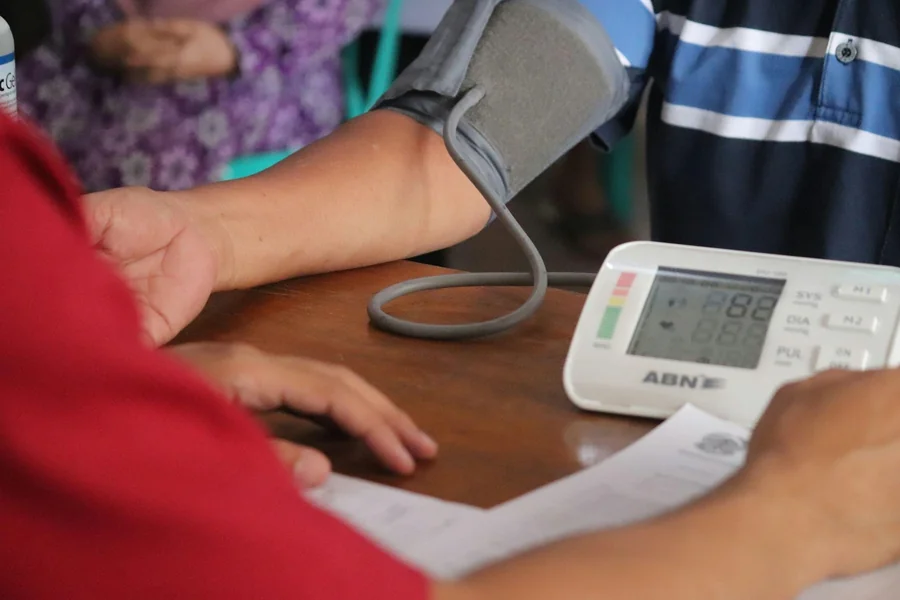
Inadequate screening can result in higher instances of neglect within aged care settings. Poor screening practices often correlate with an increased risk of elder abuse. These risks highlight the critical importance of implementing thorough and effective screening processes to ensure the safety and well-being of elderly residents.
Failure to screen effectively can lead to substandard care quality, affecting patient outcomes. Organizations should follow best practice guidance and apply measures to minimize common risks related to personal and clinical care in aged care. Using risk assess in consultation with the consumer can aid organizations in addressing higher risk high-impact risks, including pressure injuries, in aged care. This approach tailors care to the specific needs and risks of each resident.
Implementing continuous monitoring programs is becoming a standard practice among healthcare providers to manage post-hire risks effectively. These programs help identify any emerging risks and address them promptly, ensuring that the safety and well-being of residents are always prioritized in infection control management.
In conclusion, managing risks associated with inadequate screening requires a proactive approach, including best practice guidance, risk assessments, and continuous monitoring. Addressing these concerns ensures robust and effective management of screening processes, ultimately enhancing care quality for elderly residents.
The Role of Aged Care Employment Agencies
Aged care employment agency play a crucial role in ensuring that workers undergo mandatory screening processes to verify their suitability for working with vulnerable populations. These agencies are actively involved in ensuring that aged care workers meet stringent screening standards before they are placed in care facilities. This proactive approach helps maintain high standards of safety and care quality in aged care settings.
Facilitating the matching of skilled workers with appropriate roles enhances service delivery quality. They ensure that aged care providers have access to well-qualified and thoroughly screened candidates, which is essential for delivering high-quality care services to elderly residents. Additionally, the integration of the NDIS Worker Screening Check into the aged care sector by mid-2026 will further streamline this process and ensure consistent screening standards across both sectors.
These agencies support aged care providers in navigating the complexities of hiring personnel who meet safety standards. Providing access to current screening guidelines and updates ensures providers are up-to-date with the latest requirements and best practices.
In summary, aged care employment agencies are instrumental in maintaining high standards of safety and care quality in aged care settings. Ensuring thorough screening and matching skilled workers with appropriate roles significantly contributes to the improvement of aged care service delivery.
Future Trends in Healthcare Worker Screening

The future of healthcare worker screening in the aged care sector is set to align closely with the NDIS Worker Screening Check, with a new aged care worker screening check commencing no earlier than mid-2026. This alignment will provide ongoing monitoring of workers’ criminal backgrounds, ensuring continuous oversight and enhancing the safety and quality of care provided to elderly residents.
Digital identity solutions are essential for combating identity fraud during remote hiring processes. These solutions verify candidate identities accurately, ensuring the right individuals are hired for aged care roles. Additionally, healthcare organizations are increasingly utilizing automated I-9 verification systems to enhance compliance and streamline the onboarding process. Technological advancements ensure an efficient and effective screening process.
Changes will also be made to recognize Australian Health Practitioner Regulatory Agency (Ahpra) registration within the context of aged care worker screening. This recognition will help streamline the screening process for registered health practitioners, ensuring that they meet the necessary standards for working in aged care settings.
Future trends in healthcare worker screening will involve aligning with NDIS checks, adopting digital identity solutions, and using automated verification systems. These advancements will enhance screening efficiency and effectiveness, ultimately improving care quality for elderly residents.
Summary
In summary, healthcare worker screening is a critical component of ensuring high-quality care in the aged care sector. The importance of thorough screening processes cannot be overstated, as they help safeguard the well-being of elderly residents by ensuring that only suitable candidates are employed in aged care roles.
Effective screening processes, including police checks, the NDIS Worker Screening Check, and pre-employment drug and alcohol testing, play a vital role in maintaining a safe and supportive environment in aged care settings. The implementation of these processes, supported by comprehensive workforce training and development, helps mitigate risks and enhance the quality of care provided.
As we look to the future, advancements in screening practices, such as the alignment with NDIS checks and the adoption of digital identity solutions, will further improve the efficiency and effectiveness of the screening process. By investing in robust screening processes and continuous monitoring, aged care providers can ensure that their workforce is well-equipped to meet the evolving needs of elderly residents, ultimately enhancing the overall quality of aged care services.
