
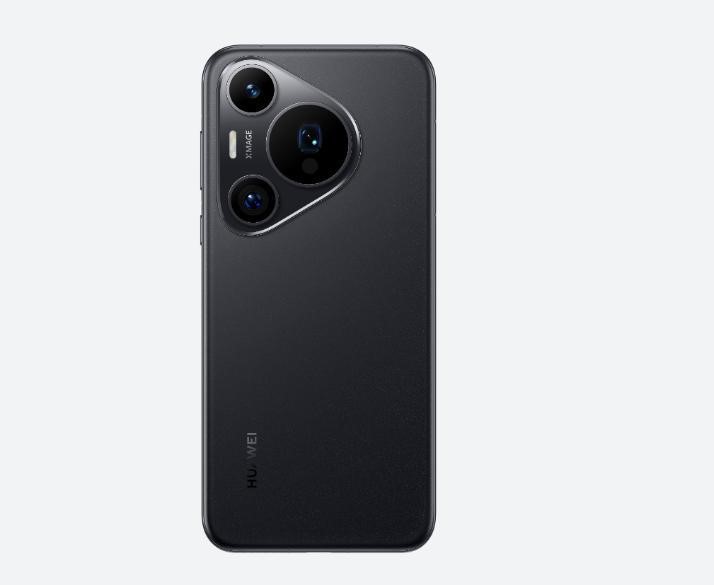
Huawei’s HarmonyOS has become a robust and intelligent operating system, known for its distributed design and efficient performance across smartphones, tablets, and smart devices. Many users wonder whether Google Play can operate seamlessly on it, and the answer lies in how Huawei’s architecture handles app compatibility, frameworks, and service integration. HarmonyOS provides the environment necessary for smooth app functionality, strong data synchronization, and stable background performance. When paired with proper frameworks and google play services for huawei, it ensures apps load quickly, run reliably, and communicate securely. Let’s explore how HarmonyOS supports this level of smoothness for Google Play operations.
Understanding HarmonyOS Compatibility and Performance
HarmonyOS provides a highly adaptive system environment designed to work efficiently with different app frameworks, including Google Play’s structure.
How HarmonyOS Manages App Frameworks?
HarmonyOS operates as a distributed operating system, meaning it treats multiple connected devices as one ecosystem. This structure allows apps developed for Android environments, including Google Play applications, to function with minimal adaptation. When users install Google Play and its related services, HarmonyOS automatically recognizes the required libraries and integrates them into its existing app management layer. It allocates CPU and RAM resources dynamically, optimizing each app’s responsiveness while keeping multitasking smooth. Huawei’s kernel-level optimization ensures fast loading times and stable background operation, allowing Play Store apps to install, update, and sync effortlessly.
System-Level Resource Allocation for Smooth Operation
Huawei engineers designed HarmonyOS to prioritize process scheduling using an intelligent resource manager. When Google Play or related apps are active, the system detects them as high-priority tasks. It automatically adjusts CPU frequency, memory allocation, and network bandwidth to ensure these apps remain responsive. This optimization becomes most noticeable when downloading or updating apps from the Play Store. HarmonyOS handles simultaneous tasks — such as streaming music or navigating maps — without slowing down. The AI-based “Deterministic Latency Engine” allocates computing resources precisely when needed, reducing lag and maintaining smooth transitions between system and app operations.
HarmonyOS’s Distributed Design Enhances Connectivity
HarmonyOS introduces distributed technology, which allows one app environment to extend across multiple devices. When Google Play runs, this feature can distribute app services efficiently between phones, tablets, or even Huawei Vision displays. For example, when a user downloads an app from the Play Store on a Huawei phone, HarmonyOS can synchronize the data instantly across other connected devices under the same Huawei ID. The distributed task scheduler ensures data flow remains stable, maintaining the same user experience across platforms. This design also minimizes system load by balancing computational tasks between devices.
Optimizing Google Play Functionality on HarmonyOS
To ensure Google Play runs at full potential on HarmonyOS, users can manage system settings, network configurations, and app synchronization.
Activating Essential Framework Components
HarmonyOS allows integration with key frameworks that enable Google apps to run smoothly. After installing the Play Store and associated services, users can confirm framework activation by visiting “Settings” > “Apps” > “App management.” Within this section, essential components like “Google Play Services” and “Google Services Framework” should appear active. If not, HarmonyOS lets users enable them manually and grant permissions for background operation, storage, and network access. Once permissions are set, these frameworks manage authentication, app licensing, and location-based services. They maintain constant communication with Google’s cloud infrastructure to ensure Play Store downloads, subscriptions, and sign-ins work flawlessly.
Maintaining Smooth Network Performance
Network optimization plays a critical role in Google Play’s operation. HarmonyOS’s AI-powered network engine automatically detects bandwidth conditions and prioritizes key app traffic. When users download or update apps, the system assigns top-tier access to the Play Store’s connection process. Users can further enhance this by navigating to “Settings” > “Network & Internet” > “Wi-Fi+.” When enabled, this feature intelligently switches between Wi-Fi and mobile data to maintain uninterrupted connectivity. HarmonyOS’s DNS acceleration and packet scheduling ensure download speeds remain stable and fast.
Synchronizing Apps and Account Settings
Once Google Play is active, synchronization ensures all linked apps and services communicate properly. Open “Settings” > “Users & accounts” > “Google” and verify that “Sync now” is available. HarmonyOS’s synchronization system coordinates directly with cloud APIs, ensuring email, contacts, calendar events, and app data stay updated. The background synchronization manager checks for new changes periodically without consuming excessive power. Because HarmonyOS uses advanced task scheduling, Google Play sync requests are queued intelligently to prevent system overload. This ensures apps installed through the Play Store remain updated and that user preferences carry across devices instantly.
Performance Benefits of Running Google Play on HarmonyOS
Huawei’s system-level engineering allows Google Play to benefit from resource efficiency, security frameworks, and seamless integration into daily device use.
Adaptive Power Management for Efficiency
HarmonyOS employs AI-based power management to ensure apps like Google Play consume minimal energy while staying active. When users browse or download from the Play Store, the system boosts power temporarily to accelerate the process. Once tasks are complete, it returns to an optimized state, preserving battery life. This dynamic adaptation allows heavy operations — such as updating multiple apps simultaneously — to run without draining power excessively. HarmonyOS’s thermal control algorithms also maintain ideal temperature levels, preventing overheating during prolonged use. As a result, users can rely on consistent performance whether they’re updating, installing, or using Google Play apps daily.
Secure Environment for App Operation
HarmonyOS prioritizes user privacy and data protection through a multi-layered security structure. Each app runs within an isolated container, ensuring no unauthorized cross-access occurs. When Google Play Services operate, sensitive functions such as authentication or payment verification are processed through encrypted channels. Huawei’s built-in security certification center verifies the integrity of each installed app and blocks unauthorized modifications. This ensures that all apps installed from Google Play or AppGallery remain genuine and secure. The combination of HarmonyOS encryption and Google’s account protection system offers users a safe, trustworthy app environment.
AI-Driven Optimization and User Experience
HarmonyOS’s AI Engine continuously learns from user behavior. It predicts app usage patterns to preload essential services, including Google Play, resulting in near-instant startup times. When users open the Play Store, the system already has cached interfaces and resources ready. This leads to smoother scrolling, quicker response times, and faster access to app listings. AI optimization also enhances app discovery by intelligently suggesting apps that align with the user’s preferences and location.
Conclusion
Google Play runs smoothly on Huawei HarmonyOS when integrated with the right frameworks and optimized system settings. The distributed architecture, AI-powered performance management, and strong network handling of HarmonyOS ensure apps install, update, and synchronize efficiently. Huawei’s ecosystem, reinforced by security isolation and adaptive optimization, provides a stable foundation for running Google Play and related services. Users enjoy a consistent experience across multiple devices, supported by intelligent scheduling and seamless data flow.

