
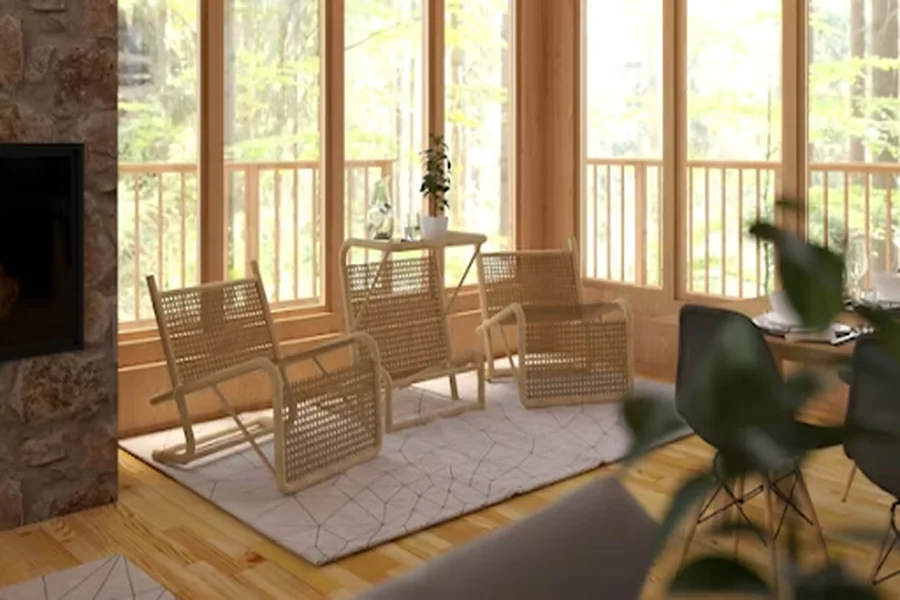
There’s something magical about walking into a home that instantly makes you feel at peace. It’s not just about having a roof over your head anymore—today’s homeowners are reimagining their spaces as personal sanctuaries that actively contribute to their physical and mental wellbeing. The pandemic fundamentally shifted how we view our homes, transforming them from mere sleeping quarters into multipurpose hubs where we work, exercise, entertain, and recharge.
The concept of a “wellness home” isn’t some fleeting trend pushed by interior design magazines. It’s a practical response to our increasingly hectic lives, where stress levels are climbing and finding moments of genuine relaxation feels like a luxury. Smart homeowners are now investing in upgrades that do more than just look good—they’re creating environments that actively support healthier, happier lifestyles. From the rooms where we prepare our meals to the corners where we unwind after long days, every space holds potential for transformation.
Why Your Home Environment Matters More Than You Think
We spend roughly 70% of our lives indoors, with the majority of that time in our own homes. Yet many of us tolerate spaces that drain our energy rather than replenish it. Poor lighting, cluttered areas, uncomfortable furniture, and outdated designs don’t just look bad—they actively contribute to stress, poor posture, disrupted sleep patterns, and even strained relationships.
Research in environmental psychology consistently shows that our physical surroundings directly impact our mood, productivity, and overall health. Natural light exposure helps regulate our circadian rhythms. The colors on our walls can either energize or calm us. The flow of our spaces affects how we interact with family members. Even small changes, like adding plants or improving air quality, can have measurable effects on our wellbeing.
The good news? You don’t need to gut your entire home or spend a fortune to create meaningful improvements. Strategic upgrades in key areas can dramatically transform how you experience your space. The secret is identifying which areas of your home have the biggest impact on your daily life and prioritizing improvements that align with your specific needs and lifestyle.
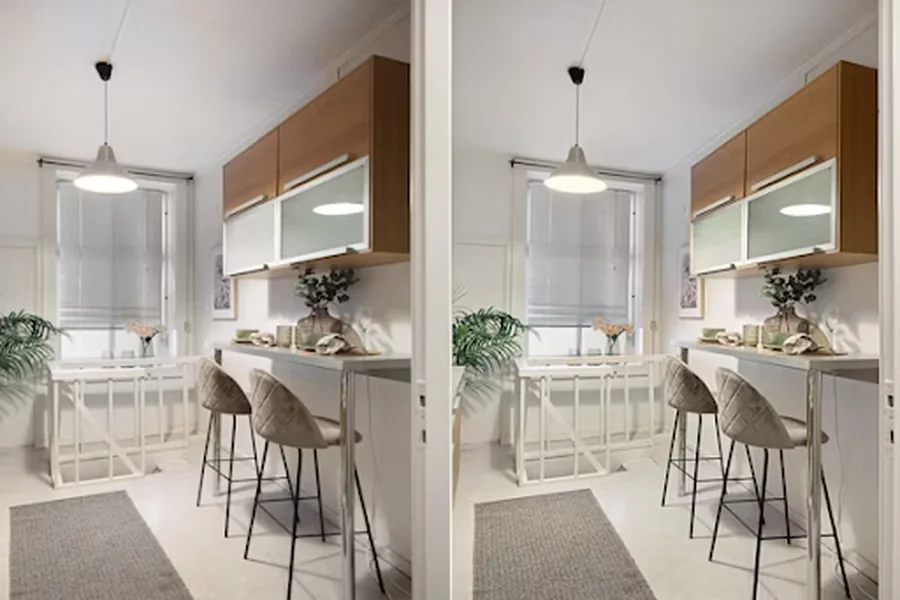
Think about your typical day. Where do you spend the most time? Which rooms cause you the most frustration? Where do you naturally gravitate when you need to relax? These questions reveal where targeted improvements will deliver the biggest returns on your investment—not just financially, but in terms of your daily quality of life.
The Heart of the Home: Reimagining Your Kitchen Space
Ask anyone what room defines a home, and you’ll likely hear “the kitchen” more often than any other answer. It’s where families gather, where conversations happen over morning coffee, where recipes get passed down through generations. Yet despite its central role in our lives, many of us are stuck with kitchens that haven’t been updated in decades—cramped layouts, poor lighting, insufficient storage, and designs that make cooking feel like a chore rather than a joy.
The kitchen is more than just a place to prepare food. It’s the social hub of your home, the space that sets the tone for healthy eating habits, and often the first room that guests see. An outdated or poorly designed kitchen doesn’t just affect meal preparation—it impacts your entire household’s routine, eating habits, and social dynamics.
Modern kitchen design has evolved far beyond aesthetic considerations. Today’s best designs prioritize functionality, flow, and flexibility. Open layouts facilitate conversation and supervision of kids doing homework. Proper task lighting reduces eye strain and makes food preparation safer. Smart storage solutions eliminate clutter and make healthy ingredients more accessible. Quality ventilation improves air quality throughout your home.
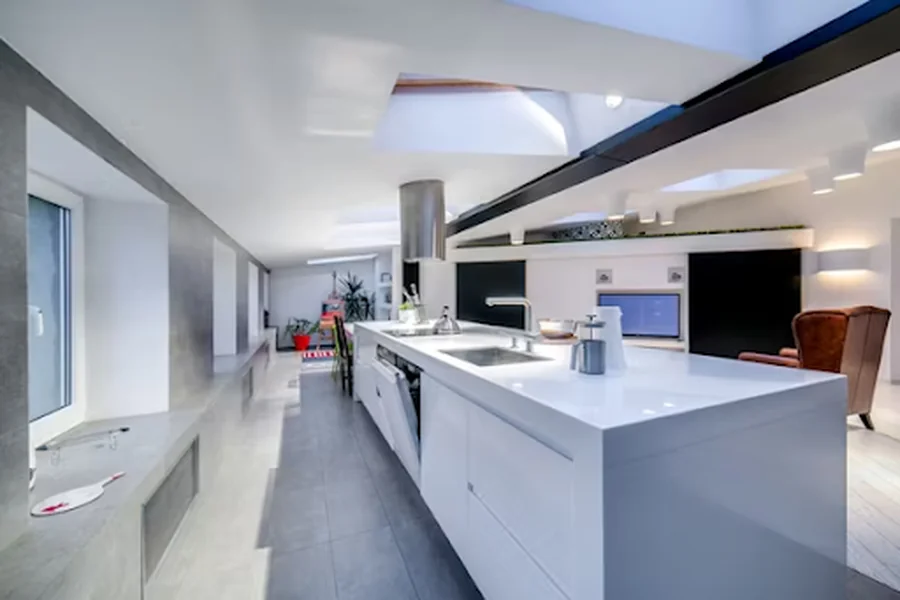
For Melbourne homeowners specifically, kitchen renovations Melbourne have become increasingly focused on creating spaces that blend indoor and outdoor living—a natural fit for the city’s lifestyle. These renovations often incorporate sustainable materials, energy-efficient appliances, and designs that maximize natural light while maintaining climate comfort year-round. Whether you’re working with a compact apartment kitchen or a spacious family hub, professional renovation specialists can help you create a space that actually works for how you live, not just how someone decades ago imagined you might live.
The investment in a thoughtful kitchen renovation typically pays dividends in multiple ways. Beyond the obvious boost in property value, homeowners report cooking more frequently, eating out less often, entertaining more, and genuinely enjoying time spent in their homes. When the heart of your home is functioning well, everything else seems to fall into place more easily.
Creating Your Personal Relaxation Sanctuary
While kitchens energize and bring people together, every home also needs spaces designed specifically for decompression. In our always-on, perpetually connected culture, having dedicated areas for genuine relaxation isn’t just nice—it’s essential for maintaining your mental health and physical wellbeing.
The challenge many people face is that relaxation doesn’t happen automatically just because you’re home. Your environment needs to actively support it. This means creating spaces that engage your senses in calming ways: soft textures, warm lighting, comfortable temperatures, and minimal visual clutter. It means having furniture that actually supports proper posture and allows your muscles to release tension. It means designing spaces where you can disconnect from screens and reconnect with yourself.
One of the most effective yet overlooked additions to a home wellness strategy is incorporating technology specifically designed for physical recovery and stress relief. While many people think of spas or professional massage therapy when they consider these benefits, bringing these capabilities directly into your home changes the game entirely. Having immediate access to therapeutic relaxation means you’re far more likely to actually use it regularly, creating compound benefits over time.
A quality massage chair represents one of the smartest investments you can make in your daily wellbeing. Unlike traditional furniture that simply fills space, modern massage chairs offer genuine therapeutic benefits—reducing muscle tension, improving circulation, lowering stress hormones, and providing relief from chronic pain conditions. The key is choosing one that fits your specific needs rather than falling for flashy features you’ll never use. Consider factors like the types of massage techniques offered, body scanning technology for customization, heat therapy options, and whether the design actually complements your space rather than dominating it.
The beauty of having recovery technology in your home is consistency. Professional massages are wonderful, but most people can’t justify the time and expense more than occasionally. When relief is just steps away in your living room, you’re more likely to use it regularly—before bed to improve sleep quality, after workouts to speed recovery, or during work-from-home breaks to combat desk posture problems. This regular use creates cumulative benefits that occasional professional treatments simply can’t match.
Beyond massage technology, think about other elements that turn a room into a true sanctuary. Blackout curtains for better sleep. A comfortable reading chair positioned near a window. Soft lighting that you can dim in the evenings to help your body prepare for rest. Perhaps a small water feature for ambient sound. These elements work together to create spaces where your nervous system can actually shift into recovery mode.
Smart Strategies for Home Wellness Upgrades
Transforming your home into a wellness-supporting sanctuary doesn’t require unlimited resources or months of construction chaos. The key is approaching improvements strategically, prioritizing changes that align with your specific lifestyle and pain points.
Start by conducting an honest audit of your space. Walk through your home with fresh eyes, noting what actually works and what doesn’t. Which rooms do you avoid? Where do things pile up? What daily frustrations could be solved with better design? This assessment helps you identify high-impact opportunities rather than making changes just because they look good in magazines.
Consider your timeline and budget realistically. Major renovations like kitchens require significant investment and planning, but shouldn’t be dismissed if they’ll genuinely improve your daily life. These projects typically offer strong returns—both in increased property value and in the less tangible but equally important daily quality of life improvements. Starting the planning process early gives you time to save, research options, and make thoughtful decisions rather than rushed compromises.
For immediate impact with smaller budgets, focus on changes that affect your daily routines. Upgrading your mattress affects every single night. Better lighting in your home office reduces eye strain every workday. Quality kitchen knives make meal preparation less frustrating. A comfortable chair for your relaxation space gets used daily. These investments in frequently-used elements compound their value through repeated use.
Don’t overlook the psychological impact of finally addressing longstanding frustrations. That broken cabinet door you’ve been working around for two years? Fixing it removes a small stressor from every single day. That cramped, poorly-lit bathroom where you start your mornings? Improving it means you begin each day in a better mood. Sometimes the best investments are the ones that eliminate daily annoyances you’ve learned to tolerate.
Think about sequencing your improvements to build momentum. Start with a smaller project that you can complete relatively quickly. The satisfaction of improvement—and the tangible difference in how you use the space—creates motivation for the next project. This approach also lets you learn from each upgrade, refining your priorities and preferences as you go.
Finally, remember that wellness-focused home improvements should reflect your actual lifestyle, not an idealized version of how you think you should live. If you never take baths, that luxurious soaking tub isn’t going to improve your wellbeing. If you love cooking, investing in your kitchen makes sense. If chronic back pain affects your daily life, prioritizing ergonomic solutions and recovery options is logical. The best homes are the ones designed around how you actually live, not magazine-perfect visions of someone else’s lifestyle.
Bringing It All Together: Your Home, Your Wellbeing
Creating a home that actively supports your wellbeing isn’t about achieving some perfect aesthetic or following the latest design trends. It’s about honestly assessing how your space affects your daily life and making targeted improvements that reduce stress, support health, and bring genuine joy to your everyday routines.
The most successful home transformations happen when people stop accepting spaces that don’t work and start imagining what’s actually possible. That outdated kitchen that makes meal preparation feel like a punishment? It can become a welcoming hub that encourages healthy cooking and family connection. Those rooms where you collapse in exhaustion but never truly relax? They can be redesigned as sanctuaries that help your body and mind actually recover from daily stresses.
The path forward doesn’t require doing everything at once. Start with the areas that impact your life most significantly. Maybe that’s finally addressing the kitchen that’s been driving you crazy for years. Maybe it’s creating a dedicated relaxation space with proper furniture and recovery technology. Maybe it’s a series of smaller improvements across multiple rooms. What matters is taking action rather than continuing to tolerate spaces that drain your energy.
Your home should be your refuge, your recharge station, and your foundation for facing whatever life throws at you. When your living space actively works against you—through poor design, outdated functionality, or lack of comfort—it’s like trying to run a marathon with a stone in your shoe. You can do it, but it’s so much harder than it needs to be.
The investment in making your home a true wellness sanctuary pays dividends every single day. Better sleep. Less stress. More time with family. Easier daily routines. Improved physical recovery. These aren’t luxuries—they’re the foundation for a sustainable, enjoyable life. And in a world that seems determined to complicate everything, having a home that simplifies and supports your wellbeing is one of the smartest investments you can make.
So take that first step. Book the consultation with renovation professionals. Research the wellness technologies that address your specific pain points. Finally fix those nagging issues you’ve been tolerating. Your future self—the one who comes home each day to a space that actually supports rather than stresses you—will thank you for it.

